

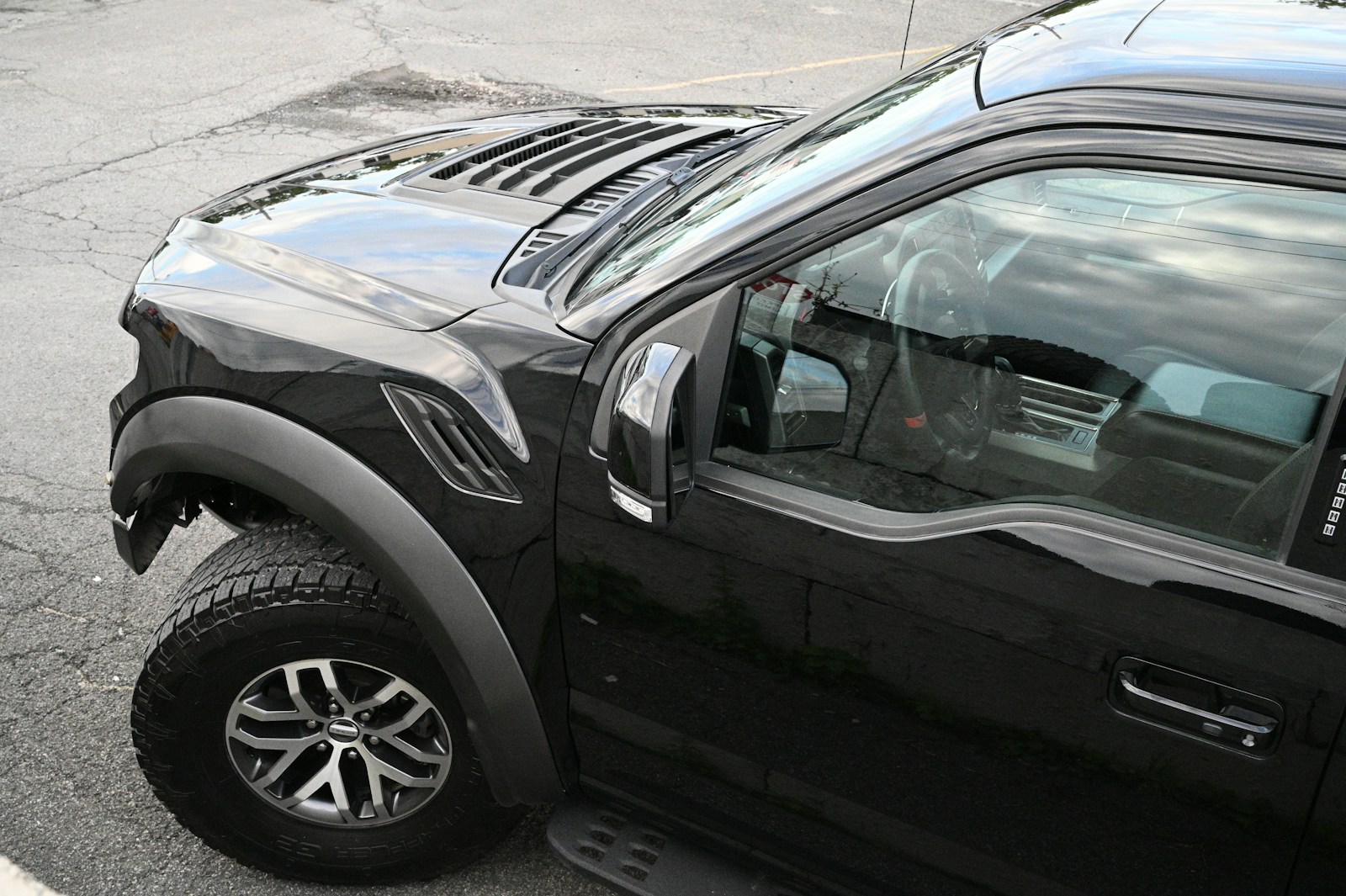
Truck theft is no longer just a background headache for fleets and owners, it is turning into a core cost of doing business. New data shows thieves are zeroing in on specific models and high value loads, blending old school hot wiring with modern cyber tricks to quietly peel away pickups, cargo trailers, and even entire loads of electronics.
Behind the spike is a mix of simple economics and smarter crime. Popular trucks hold their value, replacement parts are expensive, and connected tech has opened fresh doors for anyone willing to exploit it. Put that together and certain models have effectively become rolling ATMs, especially when they are hitched to a loaded trailer.
The new theft wave, from driveways to depots
Auto theft has been climbing for several years, but the latest numbers show a clear shift toward trucks and commercial vehicles. Passenger cars still disappear in big numbers, yet thieves increasingly prefer vehicles that can either be broken down for parts or used to move stolen freight. That is why a spike in truck theft is showing up alongside a surge in cargo losses, with both trends feeding off the same demand for high value hardware and easy to flip components.
On the personal vehicle side, lists of What cars are most stolen now routinely feature pickups and SUVs near the top, reflecting how thieves follow resale value. At the same time, freight crime analysts report that Cargo thieves have pivoted toward higher value loads even as the overall number of incidents stays relatively steady, which means each successful hit hurts more.
Why certain models keep topping the theft charts
Not every truck is equally attractive to a thief, and the latest rankings make that painfully clear. Popularity is part of it, because a vehicle that sells in huge volumes guarantees a deep market for stolen parts, but design choices and security gaps matter just as much. When a model combines strong resale value with older style immobilizers or widely known vulnerabilities, it becomes a go to target for both opportunistic thieves and organized crews.
Analysts tracking Honda and other brands note that even sedans like The Accord, which logged exactly 8,531 thefts in one recent tally, rise to the top largely because there are so many of them on the road. In the truck world, that same logic applies to full size pickups and workhorses that dominate sales charts. Lists detailing Even the most stolen vehicles show that ubiquity, not just flash, is what really paints a target.
Pickups in the crosshairs
Pickups sit at the center of this story, because they are both personal vehicles and core business tools. A stolen truck can mean a contractor loses a week of work or a small carrier loses its only power unit. Thieves know that a late model pickup can be stripped for parts, resold with a fake title, or used as the front end of a cargo theft, which makes them incredibly versatile assets in the underground economy.
One recurring name on theft lists is the Chevrolet Silverado 1500, a Pickup that combines high resale value with long service life, which means older examples often lack the latest immobilizers. Analysts point out that Pickup trucks in general tend to be worth more than cars and stay in service longer, which leaves a big pool of older, easier to steal units on the street. That combination of value and vulnerability is exactly what organized crews look for when they sweep a neighborhood or a truck stop lot.
North American hot spots and cross border patterns
Geography shapes risk, and the data shows clear hot spots where truck and auto theft are hitting harder. Some U.S. regions, including Washington, D.C., and California, continue to post theft rates that sit well above the national average, which reflects both dense vehicle populations and active criminal networks. For fleets that run in and out of these markets, a truck left unattended in the wrong lot can disappear in minutes.
North of the border, insurers estimate that auto theft is costing Canadians roughly 1 billion dollars a year, and the list of top targets reads like a who is who of mainstream crossovers and trucks. The Toyota RAV4 alone accounts for exactly 2,080 thefts, while the Dodge Ram 1500 Series records 2,018 thefts. The Honda CR, identified as the Honda CR-V, sees 1,911 thefts, the Ford F150 Series hits 1,833, and another Hond model rounds out the list. Those figures underline how thieves treat the U.S. and Canadian markets as one big hunting ground, with stolen trucks often moved across borders to dodge detection.
High theft lists and what they reveal about trucks
Insurance and safety groups now publish detailed rankings that spell out which vehicles are most and least likely to be stolen, and trucks are heavily represented. These lists are not just trivia, they are a roadmap for how thieves think. When a model shows up year after year, it signals that criminal techniques are well established and that countermeasures have not fully caught up.
One analysis of What Are the from model years 2022 to 2024 lists a Chevrolet truck at the very top, underscoring how full size pickups dominate theft risk. In Canada, a separate Which Vehicles Are on the High Theft List includes the Dodge RAM 1500, the Dodge RAM 1500, the Jeep Wrangler, the Land Rover Defender, and the Land Rover Range, along with the Toyota 4Runner. For truck owners, seeing their model on a High Theft List should be a flashing red light to upgrade security and revisit where and how the vehicle is parked.
From stolen trucks to stolen freight
Truck theft is not just about the vehicle itself, it is increasingly the first move in a larger cargo crime. A stolen tractor or pickup can be used to hook up to a trailer, impersonate a legitimate carrier, or stage a fraudulent pickup at a warehouse. That is one reason freight losses have ballooned even in years when the raw number of incidents has not exploded.
Recent reporting shows that Shift patterns in High Value Targets Reported in quarterly Cargo Theft Trends show that Organized crime groups are doubling down on high value goods rather than random grabs. One detailed estimate finds that cargo theft losses jumped roughly 60 percent in 2025, hitting about 725 million dollars in estimated damage, as criminals focused on electronics, food, and other easy to move commodities. That kind of money explains why a single stolen truck, especially one pulling a loaded trailer, is now a prized asset rather than just a joyride.
How thieves are getting smarter, from cyber tricks to fake pickups
The methods behind these thefts are evolving just as fast as the targets. Instead of smashing windows and hot wiring ignitions, crews are leaning on cloned key fobs, hacked telematics, and social engineering. The same connectivity that lets fleets track their trucks in real time also gives criminals new surfaces to attack if they can compromise passwords, vendor portals, or dispatch systems.
Security analysts warn that The report noted a noticeable rise in the sophistication of coordinated operations tied to cargo crime, with attackers using AI tools and integrated technologies to expand cyberattack surfaces. At the same time, Criminals behind cargo thefts are moving away from opportunistic hijackings toward carefully orchestrated fraudulent pickups, as one expert told Canadian audiences. In practice, that can mean a stolen or cloned truck shows up at a warehouse with convincing paperwork, loads a trailer, and vanishes long before anyone realizes the carrier was fake.
Tech, trends and the high value hardware problem
Underneath the rising theft numbers is a simple reality, the stuff inside trucks is getting more expensive and more portable. High end electronics, computing gear, and even the components inside vehicles themselves are worth serious money on the black market. That is why thieves are not just chasing finished goods, they are also targeting the chips and memory that power modern devices.
Industry forecasts highlight that Trends expected in 2026 point to RAM modules, storage drives, and enterprise computing equipment remaining prime targets, with RAM specifically called out as a high value item. Separate analysis from CargoNet expects these patterns to continue into 2026, particularly the targeting of high value technology products such as RAM modules and other computing components. For fleets, that means a stolen trailer might not just hold consumer goods, it might be packed with the digital guts of data centers and corporate networks.
What owners and fleets can actually do
For all the sophistication on the criminal side, there are still practical steps that make a real dent in risk. On the vehicle level, physical barriers and layered security remain surprisingly effective. Simple changes like parking in well lit areas, locking tailgates, and using steering wheel locks can push thieves toward easier targets, especially when combined with modern tracking tools.
Police guidance now explicitly recommends hardware like an OBD port lock for cars and trucks with electronic push button start, since many thefts begin with thieves plugging into that port to program a new key. Fleet focused advisories on Cargo theft prevention stress route planning, secure yards, and tighter vetting of drivers and brokers, urging companies to Learn the latest tactics criminals use and, unfortunately, how to steal freight. In parallel, cybersecurity experts argue that preparedness for 2026 has to include stronger passwords, multi factor authentication on dispatch and telematics systems, and regular training so staff can spot phishing attempts that might precede a fraudulent pickup.
The bigger picture, from connected cars to online crime
Step back from the individual thefts and a broader pattern comes into focus. Trucks, cars, and cargo operations are now deeply wired into the internet, and that connectivity is reshaping how crime works. The same apps that let a driver unlock a truck from a phone or accept a load with a tap also create new angles for attackers who never have to set foot in a yard.
Researchers studying how digital tools fuel exploitation note that The Internet and, more generally, the most recent technological advances play a central role in the development of new forms of organized crime. That insight applies neatly to vehicle and cargo theft, where online marketplaces, encrypted messaging, and spoofed identities make it easier to coordinate hits and move stolen goods. As one social media post from a highway safety group bluntly put it, America‘s most stolen vehicle is now a specific type of car that Thieves can unlock and drive away with barely a trace. For truck owners and fleets, the message is clear, the line between cyber risk and physical theft has blurred, and protecting a vehicle now means thinking as much about logins and data as about locks and alarms.
More from Wilder Media Group: