


Stellantis dealers are heading into 2026 with back lots full of vehicles that proved stubbornly hard to move in 2025, the hangover from a year of misjudged demand, pricing missteps, and strategic whiplash. Instead of the lean inventories that helped prop up margins earlier in the decade, many showrooms are now wrestling with aging metal, squeezed floorplan costs, and customers who have plenty of choices but little urgency to buy.
The result is a network caught between a global automaker trying to reset its strategy and local markets that have already moved on from some of Stellantis’s slowest sellers. For retailers who depend on steady turn rates and predictable factory support, 2025 was less a soft patch than a stress test of whether the company’s American brands can still command attention in a crowded market.
The inventory pileup that would not move
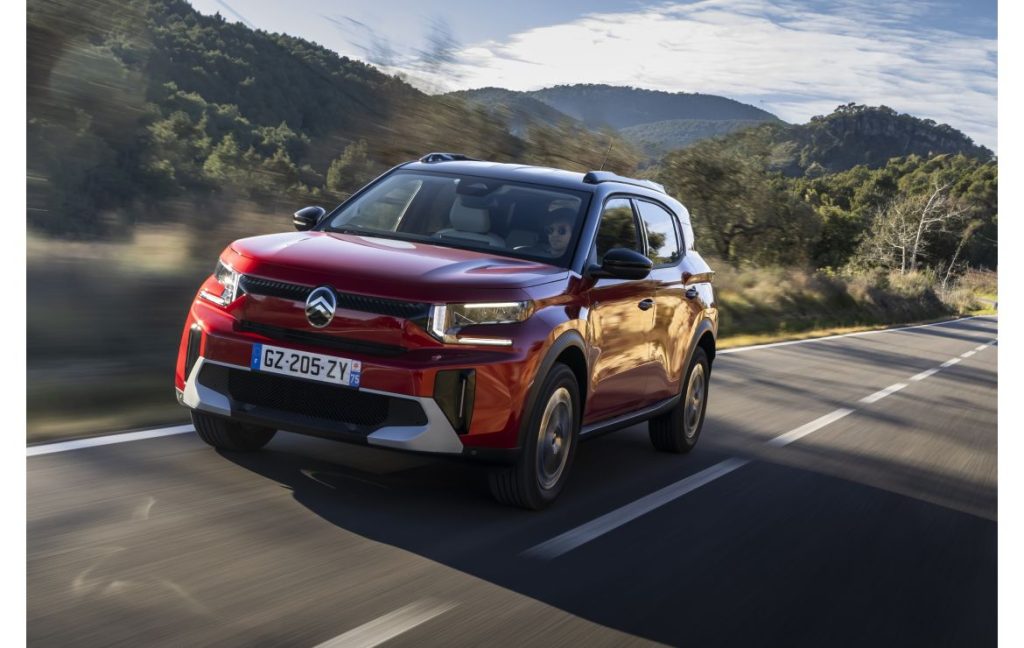
The most visible sign of Stellantis’s rough year is the sheer volume of unsold vehicles sitting on dealer lots, especially in core American nameplates. Analysts tracking supply levels reported that Ram trucks and Dodge vehicles were sitting at roughly 133 days of supply, effectively tying up close to half a year of sales in parked inventory. For dealers, that kind of backlog is not just a cosmetic problem, it means higher carrying costs, more aggressive discounting, and a growing risk that current model-year vehicles will be overshadowed by refreshed rivals before they ever find buyers.
Those swollen stocks are not limited to a single model or region, which suggests a deeper mismatch between Stellantis’s production plans and what customers actually want. When full-size pickups and muscle cars from Ram and Dodge, historically among the company’s most bankable products, are piling up at that scale, it signals that pricing, incentives, or product positioning have fallen out of step with the broader market. Dealers who once counted on these vehicles as reliable profit centers are now watching them age on the lot, even as they brace for new shipments that could compound the problem if demand does not recover.
Leftover 2024 models that buyers skipped
The inventory crunch is especially stark in the transition from the 2024 to 2025 model years, where Stellantis is carrying an unusually large number of previous-year vehicles into the new sales cycle. An analysis of unsold stock found that, out of the 23 models topping the leftover list, 12 belong to Stellantis, a concentration that underscores how many of its nameplates failed to clear out on schedule. The report highlighted that, beyond the Hornet and Grand Chero, several other Stellantis-branded vehicles lingered on lots long after competitors had largely sold through their 2024 allocations, leaving dealers to juggle old and new inventory at the same time.
For retailers, those leftover 2024 models are a double hit, they tie up floor space and capital while forcing deeper discounts that can undercut the pricing of fresher stock. The fact that so many of the slowest-clearing vehicles trace back to the same corporate parent suggests systemic issues in forecasting and product appeal rather than a few isolated misfires. As dealers work through this backlog, they are effectively running a clearance operation on a dozen Stellantis models, a dynamic that makes it harder to build excitement around 2025 and 2026 launches that are supposed to reset the narrative.
Dealers’ frustration boils over
By late 2024 and into 2025, the strain from these inventory problems had already pushed Stellantis’s U.S. dealer body into open confrontation with the company’s leadership. In a strongly worded letter, representatives of the network accused Stellantis of mismanaging its American brands and allowing them to slide into decline while competitors sharpened their lineups. The message, directed squarely at the corporate center, argued that chronic supply mismatches, confusing product strategies, and inconsistent support had left dealers carrying the financial and reputational burden of decisions they did not control, a complaint that echoed across many franchise groups.
The letter was not an isolated outburst but the culmination of months of mounting frustration as dealers watched unsold vehicles stack up and customer interest drift elsewhere. By calling out Stellantis directly for brand decline and inventory issues, the network signaled that it no longer believed incremental tweaks would be enough to fix the problem. The tone of that communication set the stage for the leadership shakeup that followed and framed 2025 as a make-or-break year for rebuilding trust between the factory and the front line.
Leadership shakeup and strategic uncertainty
The pressure from dealers and the broader financial underperformance eventually converged on the corner office. Stellantis CEO Carlos Tavares, who had led the company since it formed from the merger of Peugeot maker PSA Group and Fiat Chrysler Automobil, resigned suddenly, with the company citing differences over the path forward. For dealers, the departure of Tavares was both a relief and a source of new uncertainty, since it removed a leader they had criticized but also left open questions about who would define the next phase of the company’s strategy and how quickly any new direction would filter down to product and pricing decisions.
The leadership change did not occur in a vacuum, it came as analysts were already warning that the company might need to shutter some car brands in 2026 or even contemplate more drastic restructuring if performance did not improve. Reporting on the shakeup noted that the exit of the Stellantis CEO Carlos Tavares on a Sunday signaled the likelihood of a major shakeup soon, with brand portfolios and regional priorities all potentially on the table. For dealers already coping with unsold vehicles, the prospect of nameplates being wound down or repositioned added another layer of risk to long-term investments in facilities and local marketing.
Financial losses tighten the screws
Behind the full lots and tense dealer relations sits a balance sheet that has been moving in the wrong direction. Stellantis reported a $2.6 billion net loss for the first half of 2025, attributing the shortfall in part to tariffs and other external pressures but also acknowledging the need to revamp the automaker’s performance. That kind of red ink inevitably feeds back into the relationship with dealers, as the company looks for ways to cut costs, rationalize production, and push more risk onto its retail partners through inventory allocations and incentive structures.
The midyear loss was followed by an even starker headline figure, with one analysis describing how Stellantis Faceplants, Losing $2.7 Billion In 2025. For dealers, these numbers translate into practical worries about factory support for advertising, floorplan assistance, and future product development, especially for slower-selling models that are already hard to justify stocking in volume. The more the company is forced to focus on shoring up its finances, the more it risks leaving retailers to fend for themselves in clearing out the vehicles that contributed to those losses in the first place.
Slowest-selling models drag down the lot
Not every Stellantis vehicle is languishing, but the ones that are moving slowly have an outsized impact on dealer profitability and perception. Market data tracking days-to-sell identified three Stellantis models among the slowest-selling vehicles in August 2025, a list that included the Hornet and the Alfa Romeo Giulia. The analysis framed the challenge as part of a broader landscape where, as one report put it, Navigating today’s car market requires understanding which vehicles are sticking around too long, and Stellantis’s presence on that list underscored how some of its newer or more niche offerings have yet to find their footing.
For dealers, stocking models like the Hornet and Alfa Romeo Giulia is a calculated bet that they will attract incremental customers and lift the brand’s image, but when those vehicles become some of the slowest movers in the country, the bet starts to look risky. Each unit that sits for months ties up capital that could have been deployed into faster-turning SUVs or trucks, and the need to discount heavily to move them can erode residual values and brand equity. The pattern of multiple Stellantis models appearing among the slowest sellers reinforces the sense that the company’s product mix and marketing have not kept pace with shifting consumer tastes, leaving dealers to manage the fallout one languishing VIN at a time.
Dealer sentiment: weary but not hopeless
Despite the bruising year, Stellantis dealers are not uniformly pessimistic about what comes next. Reporting late in 2025 found that many in the network were cautiously optimistic about 2026, describing it as a potential turning point after several rough years. In that coverage, retailers acknowledged the pain of software glitches, delayed launches, and inventory headaches, but they also pointed to signs that the company was listening more closely and preparing a more coherent product and technology roadmap that could finally align with customer expectations.
The mood is still fragile, shaped by the memory of 2025’s unsold cars and the financial strain they created, yet there is a sense that the worst may be passing if the company follows through on promised changes. Dealers highlighted upcoming vehicles and system fixes as reasons to believe that the next model year could see cleaner launches and better-matched supply, a view captured in reports that Stellantis dealers think 2026 is looking up. That guarded optimism does not erase the damage of 2025, but it does suggest that the relationship between the factory and the front line is not beyond repair if tangible improvements arrive quickly.
Strategic reset: from unwanted stock to a U.S. comeback
Part of the reason dealers are willing to give Stellantis another chance is the scale of the investment the company is now directing toward its American operations. A detailed look at the new strategy described how the struggling American car brands owned by Stalantis are getting a $13 billion shot in the arm, with the company unveiling a plan to modernize products, plants, and technology in a bid to stage a U.S. comeback. The video presentation outlining why Stalantis is pouring $13 Billion into this effort framed it as a recognition that the status quo, including the glut of unsold vehicles, is unsustainable in a market that rewards agility and clear brand identities.
For dealers, that $13 billion commitment is both a promise and a test, it suggests that Stellantis understands the need to refresh its American brands and address the factors that left so many 2024 and 2025 models sitting unwanted, but it also raises expectations that the next wave of products must be sharply targeted and reliably executed. If the investment yields vehicles that resonate with U.S. buyers, with the right mix of gas engines, hybrid options, and competitive tech, the current inventory overhang could eventually be remembered as the painful prelude to a turnaround. If not, the company risks pouring more money into a strategy that still leaves dealers holding the bag on cars they cannot sell.
Can Stellantis clear the lots in time?
Looking ahead, the central question for Stellantis and its dealers is whether the company can unwind its inventory problems fast enough to capitalize on any broader market recovery. Commentators who have tracked the company’s trajectory warn that, if it fails to adapt, Stellantis could be forced to shutter some car brands or even face more severe financial distress, a scenario that would directly affect franchise values and local employment. One widely discussed analysis of the company’s predicament, shared in a video titled NO ONE WANTED THESE CARS FROM STELLANTIS AND, argued that the automaker needs to lean harder into gas engines and hybrid offerings while pulling back from an EV push that has not yet translated into strong showroom traffic.
Dealers on the ground are less focused on the high-level powertrain mix than on the immediate task of turning the metal they already have, but the two issues are linked. If Stellantis can recalibrate its lineup to better match what U.S. buyers are actually shopping for, and if it can align production with realistic demand instead of flooding lots, the painful experience of 2025 could give way to a more sustainable model where unsold cars are the exception rather than the rule. Until then, the rows of parked Ram and Dodge vehicles, the leftover 2024 models, and the slow-selling Hornet and Alfa Romeo Giulia will stand as daily reminders of how quickly a global strategy can falter when it fails to account for what is happening at the dealership door.
More from Wilder Media Group: