
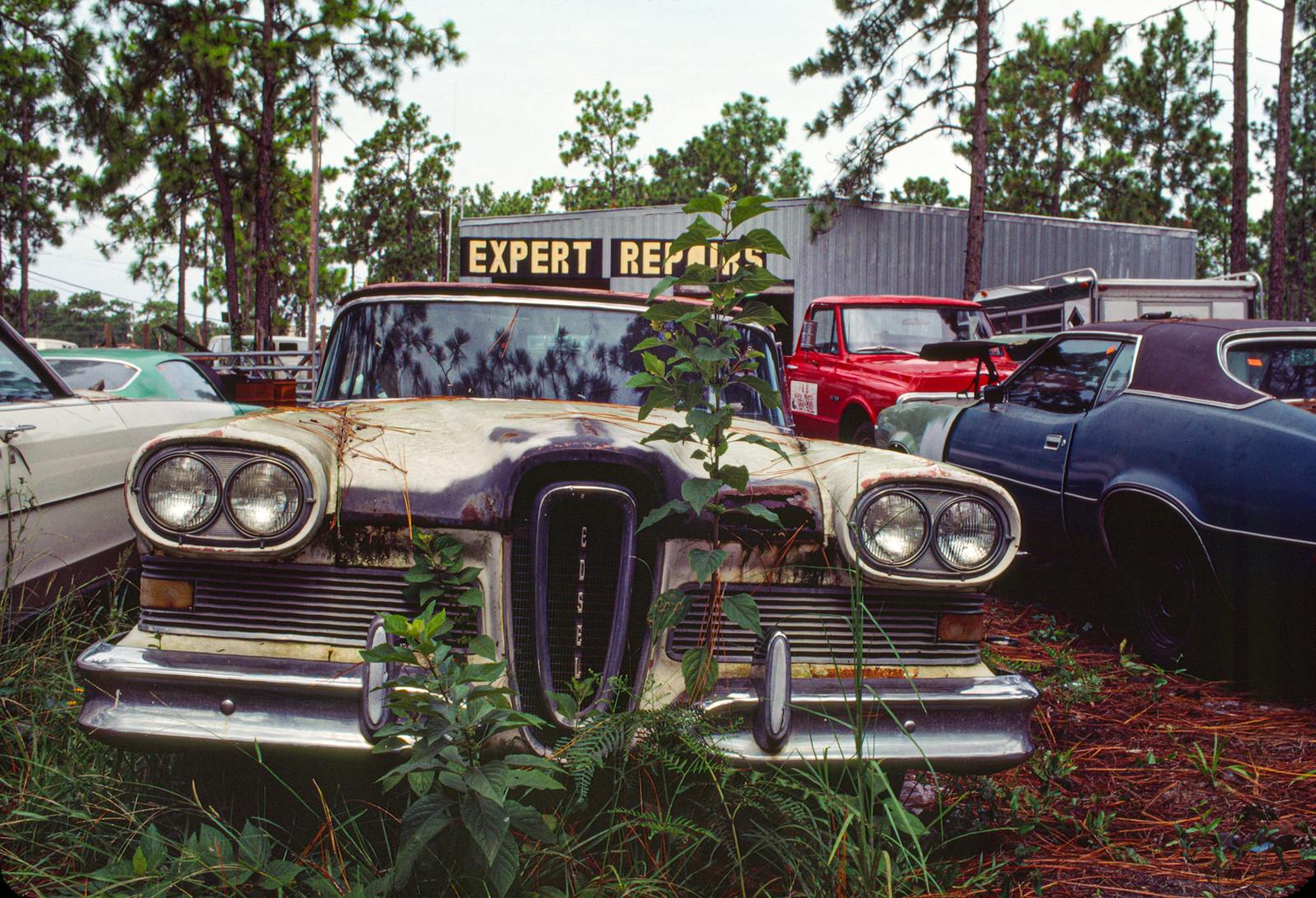

Somewhere on the fringes of Macao’s casino strip, a shuttered resort with Greek mythology-inspired architecture has become an unlikely attraction: not for its crumbling colonnades or empty gaming floors, but for the fleet of luxury cars still parked outside. Rolls-Royces, Bentleys, Mercedes-Benzes and other high-end vehicles sit in open-air lots, tires deflated, paint oxidizing under southern China’s humid subtropical climate. No one has come to collect them.
Photos and video footage that circulated online in late 2025 show the vehicles lined up as though waiting for owners who stepped inside for one last hand of baccarat and never returned. The property’s name has not been confirmed in any official record tied to the footage, but the Greek-themed statuary, faux-temple columns and resort-scale footprint visible in images are consistent with one of several integrated casino-hotels that closed during Macao’s prolonged industry contraction between 2020 and 2023.
What the footage actually shows
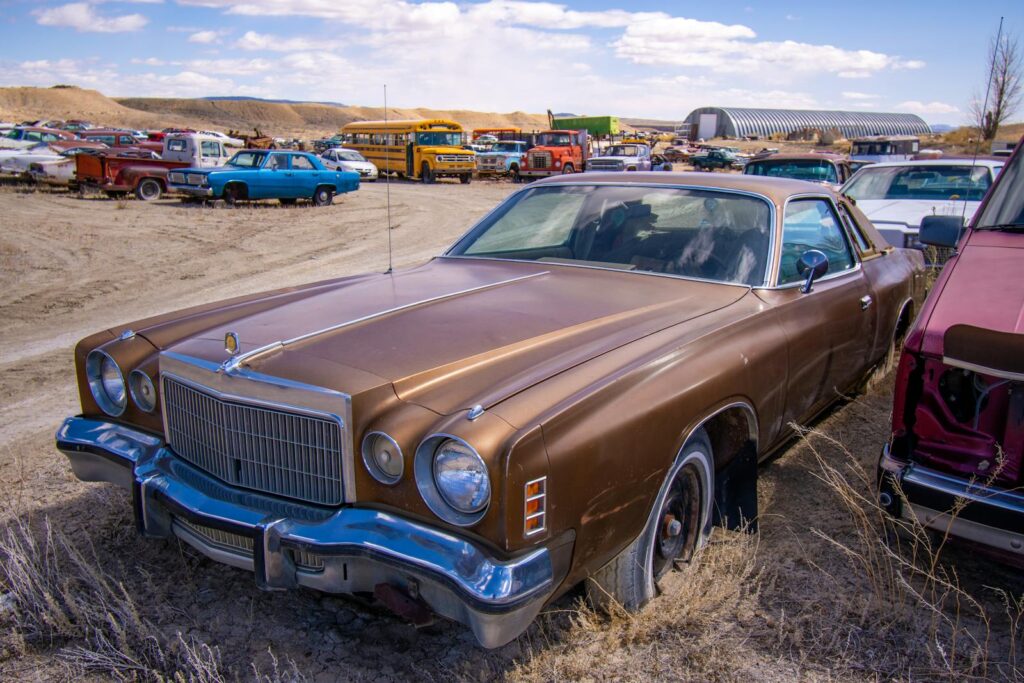
The most detailed look at the site comes from a YouTube urban exploration video filmed in October 2025. The creators walk through a lobby still furnished with chandeliers and marble flooring before moving outside to the parking areas, where they count what they describe as dozens of prestige vehicles. Dust coats every surface. Bird droppings streak windshields. On several cars, the clear coat has begun to peel away in sheets, exposing bare metal underneath.
A photo report published by The Sun corroborates the video, showing a similar lineup and noting that the combined value of the vehicles could run into millions of dollars. A separate Yahoo Lifestyle article frames the discovery within the broader pattern of abandoned luxury properties across Macao, where abrupt closures left entire complexes frozen mid-operation.

Why Macao’s casino sector left so many properties behind
The car graveyard is less mysterious when placed against what happened to Macao’s gambling industry over a brutal three-year stretch. In late 2021, authorities arrested Alvin Chau, the CEO of Suncity Group, Macao’s largest junket operator, on charges of illegal gambling and organized crime. The case sent shockwaves through the VIP gaming ecosystem that had funneled mainland Chinese high rollers into the territory’s casinos for decades. Suncity announced it would wind down its junket business in January 2022.
Simultaneously, China’s zero-COVID border controls choked off visitor traffic. Macao’s gross gaming revenue, which had peaked at roughly $45 billion in 2013, fell to just $5.3 billion in 2022, according to data from the territory’s Gaming Inspection and Coordination Bureau. Smaller and mid-tier operators, particularly those reliant on VIP play, were hit hardest. Properties that could not service their debt or justify staying open simply closed, sometimes with little warning to staff or guests.
A revised gaming law that took effect in January 2023 further tightened oversight of junkets and satellite casinos, accelerating consolidation. Several fringe properties that had operated under satellite concession arrangements lost their legal basis to continue. The Greek-themed resort visible in the footage fits the profile of exactly this kind of casualty: ambitious in design, dependent on a VIP pipeline that no longer exists.
So why are the cars still there?
This is the question that keeps the story circulating, and the honest answer is that no one reporting on the site has confirmed a single explanation. Several possibilities are consistent with how Macao’s legal and business environment works:
Seized or encumbered assets. If the resort’s operator or its VIP clients faced criminal investigation, vehicles on the property may have been frozen as part of legal proceedings. Macao’s judiciary does not typically publicize asset seizure lists for ongoing cases.
Abandoned by fleeing owners. In the wake of the junket crackdown, a number of high-profile gambling figures left Macao quickly. Cars registered to individuals who departed the territory and did not return would have no one to claim them, especially if registration documents were held inside the shuttered resort.
Operator-owned fleet vehicles. Some Macao casino-hotels maintained fleets of luxury cars for guest transfers and promotional use. If the operating company entered liquidation, those vehicles would become part of a creditor queue, potentially sitting untouched for years while courts sort out claims.
None of these scenarios are mutually exclusive, and the real answer likely involves some combination. What is clear is that Macao’s legal process for disposing of abandoned vehicles on private property is slow, and with the resort itself in limbo, there is no landlord pressing for clearance.
What happens next
Macao’s gaming revenue has rebounded sharply since borders reopened in early 2023, but the recovery has been uneven. The six major concessionaires that won new 10-year licenses are investing billions in non-gaming amenities as required by the government. Fringe properties like the Greek-themed resort, however, sit outside that investment cycle. Without a concessionaire willing to absorb the site, redevelopment depends on private buyers or government-led land reclamation, neither of which moves quickly in Macao.
For now, the cars remain. Each month of exposure to Macao’s heat, humidity and salt air accelerates the deterioration. Rubber seals degrade. Leather interiors mold. Brake rotors rust solid. Whatever residual value the vehicles held when the doors closed is declining steadily, making eventual recovery less likely with every passing season.
The site has drawn comparisons to other famous automotive graveyards around the world, from the forest car cemetery in Chatillon, Belgium, to the fields of unsold new cars that piled up after the 2008 financial crisis. But the Macao version carries a specific weight: these are not wartime relics or overproduction casualties. They are artifacts of a very recent, very specific collapse in an industry that was supposed to be recession-proof. That is what makes the images hard to look away from, and why the story keeps resurfacing months after the first photos appeared.
More from Wilder Media Group: