

American cars are often seen as symbols of raw power and bold design. However, many of these vehicles have drawn inspiration from European automotive styles, blending American performance with refined European aesthetics. This fusion has shaped a unique category within the muscle car world.
This article explores American cars that incorporate key design elements influenced by European models, highlighting how cross-continental ideas have enhanced their appeal and performance.
1973 Pontiac Grand Am

The 1973 Pontiac Grand Am combined American muscle with European luxury and sport sedan influences. It aimed to offer performance and comfort similar to brands like BMW and Mercedes.
The design featured a blend of Grand Prix luxury and Trans Am power. The engine size was even badge-displayed to suggest a European appeal.
This model represented Pontiac’s effort to compete with European-inspired premium coupes. It emphasized both style and driving dynamics in one package.
1971 Chevrolet Camaro Pro Touring
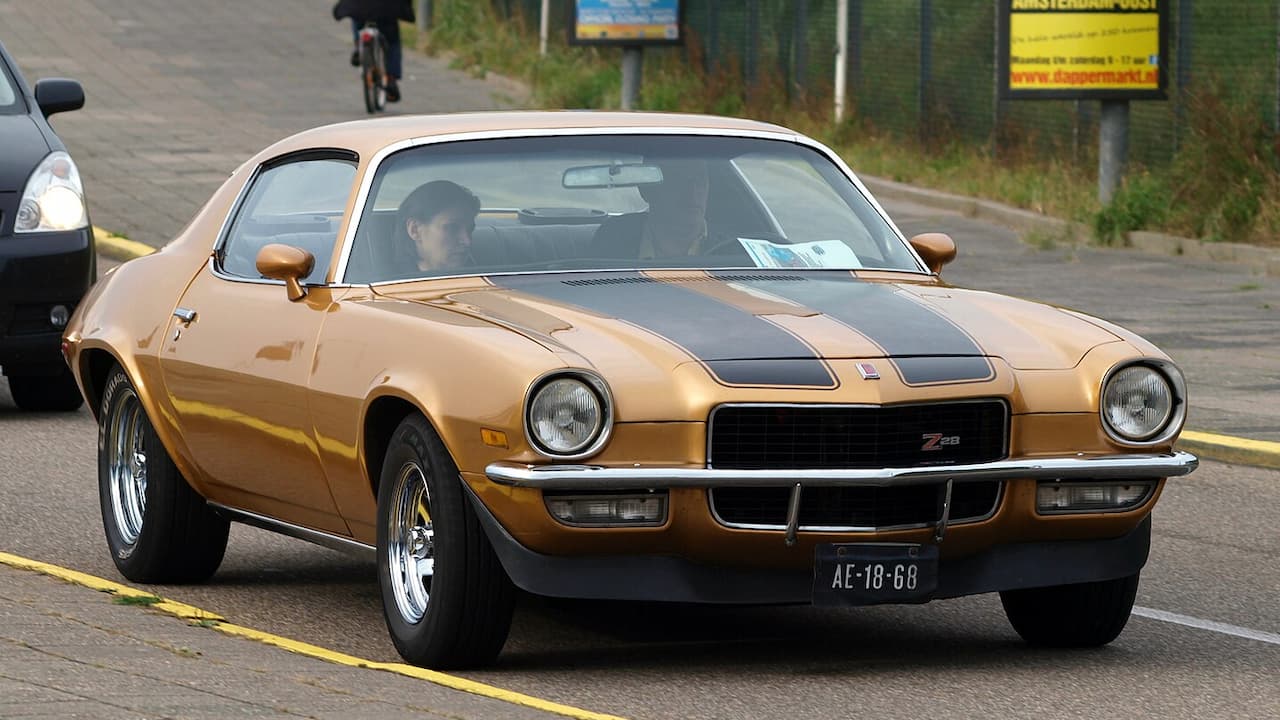
The 1971 Chevrolet Camaro Pro Touring blends classic American muscle with European design elements. Its low-slung profile and sweeping lines reflect a subtle European influence while maintaining the aggressive stance typical of American muscle cars.
This model often features split front bumpers, enhancing its distinctive look. Modern restomods may include powerful LSX engines and updated interiors, combining performance with refined aesthetics.
1986 Ford Taurus
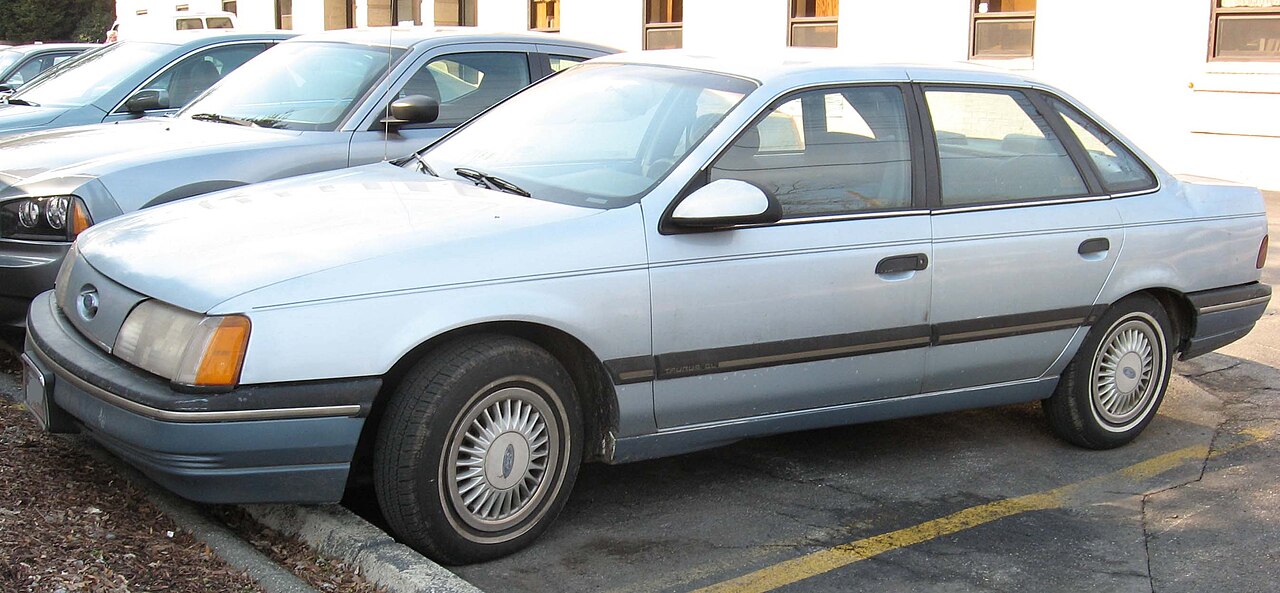
The 1986 Ford Taurus marked a significant shift in American car design. It incorporated European-inspired features, especially in ride and handling, aiming for improved comfort and performance.
Mimi Vandermolen led the interior design team, focusing on a modern and functional cabin. The Taurus played a crucial role in reviving Ford’s market position during the mid-1980s.
With its front-wheel-drive layout and sleek styling, the Taurus influenced many American muscle cars that followed.
1981 Cadillac Seville Bustleback
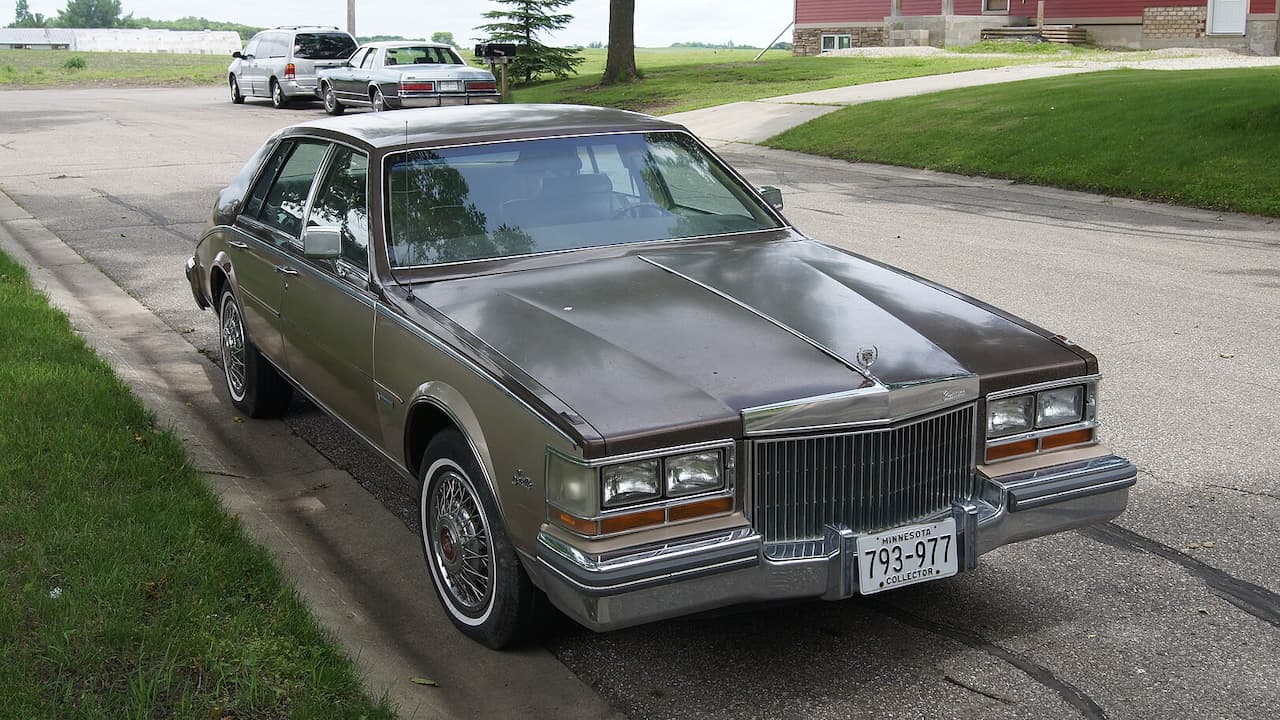
The 1981 Cadillac Seville introduced a distinctive bustle-back trunk, drawing inspiration from classic 1950s touring sedans. This design element set it apart from traditional American luxury cars by blending European elegance with innovative styling.
It was the first American car to offer a diesel engine as standard, emphasizing efficiency alongside luxury. The Seville combined refined proportions with a compact, European-influenced appearance, reflecting Cadillac’s move toward sophisticated design in the early 1980s.
Chevrolet Monza

Creative Commons Attribution-Share Alike 4.0, WikiCommons.
The Chevrolet Monza was influenced by European design, aiming to combine American muscle with refined handling. Its sleek profile drew inspiration from several European cars, while the rear design borrowed elements from the Camaro.
Chevrolet introduced the Monza to attract enthusiasts interested in sporty, agile vehicles. The Monza Spyder variant added a performance edge with a more aggressive look and enhanced engine options.
1963 Buick Riviera
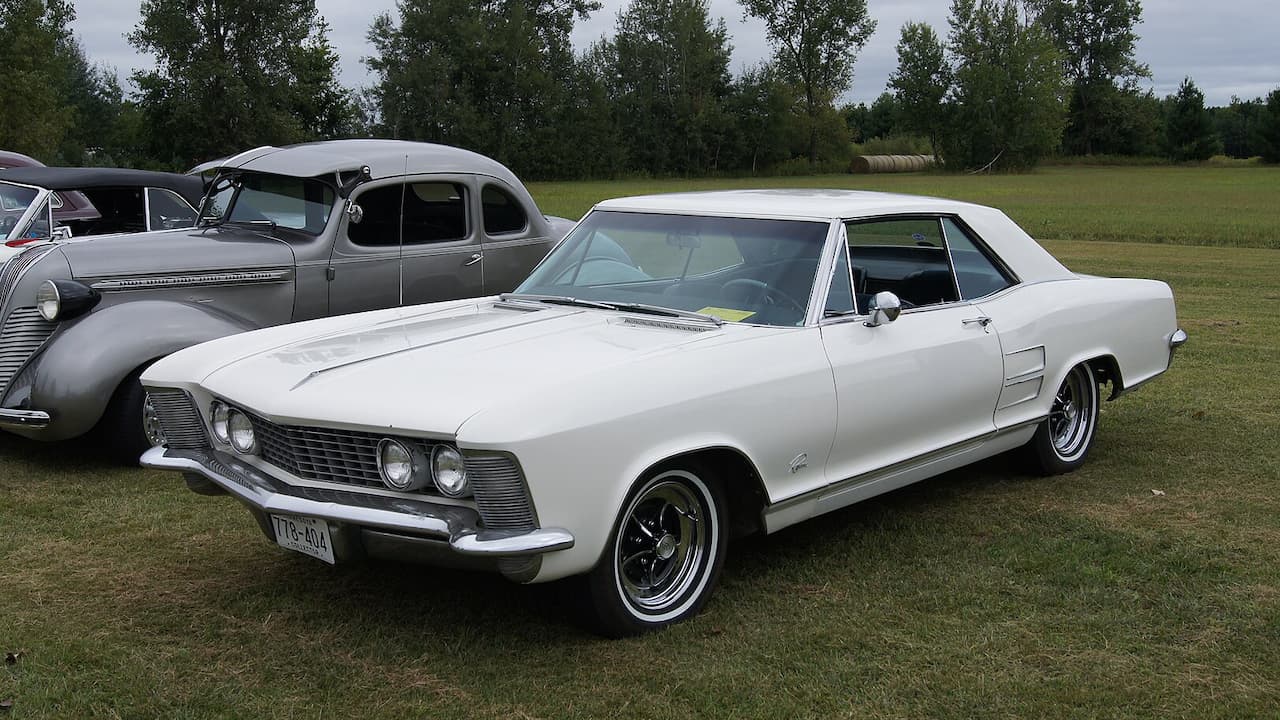
The 1963 Buick Riviera introduced a new era of American personal luxury cars with distinct European design influences. Its sharp, clean lines and balanced proportions set it apart from typical muscle cars of the time.
The Riviera combined refined styling with powerful performance, appealing to buyers seeking both elegance and muscle. Its design reflected European automotive trends while maintaining a strong American presence.