
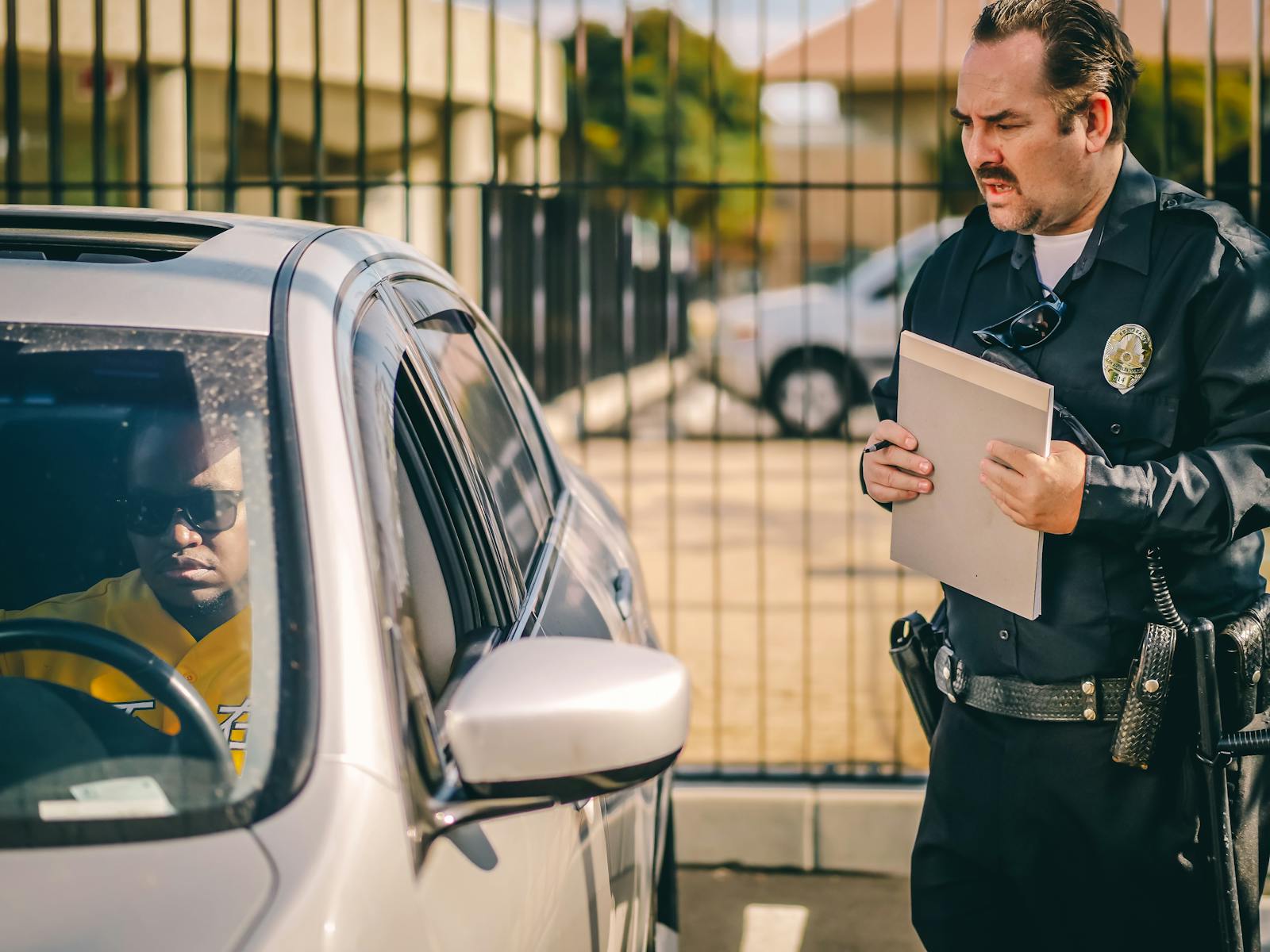

What Happened During the Stop?
Imagine this: you’re just minding your own business, running errands or perhaps strolling in your neighborhood. Suddenly, a police officer pulls you over, claiming you “looked suspicious.” The first thing that runs through your mind is probably, “What does that even mean?” It’s a strange situation, and it raises a lot of questions about what’s legal and what’s not when it comes to police stops. So, let’s break this down a bit.
What Does “Looked Suspicious” Even Mean?
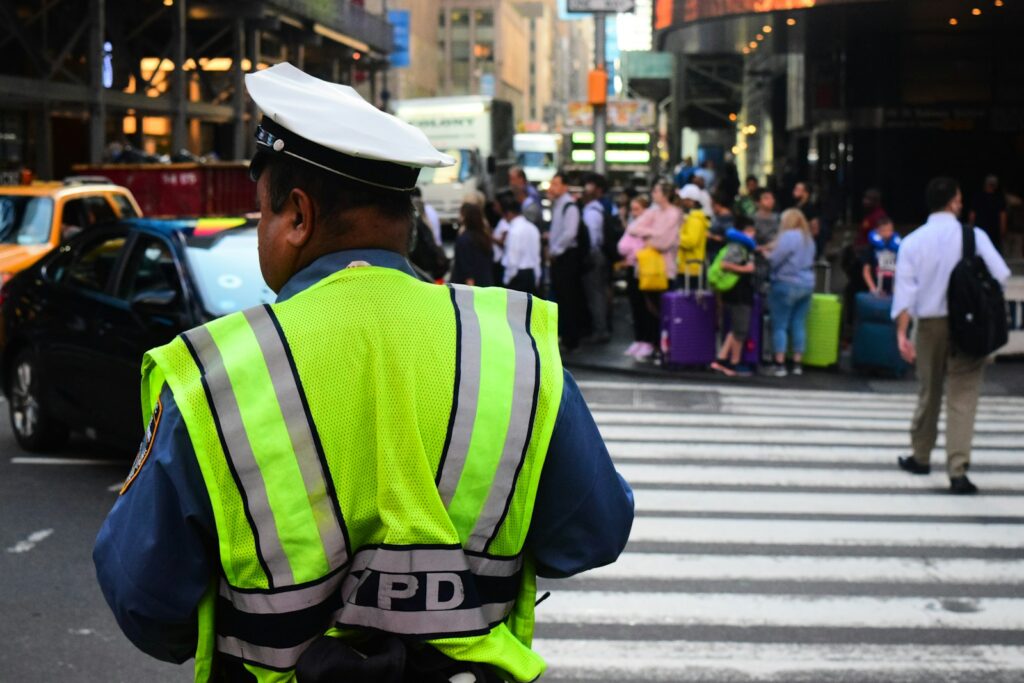
First off, “looking suspicious” is about as vague as saying the weather is “nice.” It can mean anything from wearing a hoodie on a sunny day to driving a beat-up car in a fancy neighborhood. But here’s the kicker: police officers are trained to recognize certain behaviors or situations that might indicate a crime is happening or about to happen. So, while it might feel arbitrary, there’s often a method to the madness.
The legal term often thrown around in these discussions is “reasonable suspicion.” This means that an officer has specific and articulable facts that lead them to believe a crime is happening or about to happen. It’s not just a hunch or a gut feeling. So, if an officer claims you look suspicious, they should ideally be able to back that up with some concrete reasoning. Otherwise, it’s a slippery slope.
Is It Legal Grounds?
Now, let’s get to the million-dollar question: is claiming someone “looked suspicious” enough to justify a stop? The answer isn’t as cut-and-dry as you might think. Generally, officers can stop you if they have reasonable suspicion, but they can’t just pull you over because you’re wearing a baseball cap backward or because you’re walking at an odd hour. It has to be more than just a feeling — it has to be based on observed behavior or circumstances.
For example, if you’re loitering around a closed store late at night, that might raise some eyebrows. But if you’re just walking your dog in a well-lit area, that’s probably not grounds for suspicion. It’s all about context, and context can be a tricky thing to nail down.
What Are Your Rights?
Alright, so you’ve been stopped, and the officer claims you look suspicious. What can you do? First, remember that you have rights. You have the right to remain silent and the right to ask if you’re being detained or if you’re free to go. It’s totally okay to ask questions. Sometimes, being polite but firm can change the outcome of the situation.
It’s also important to stay calm and collected, even if your heart is racing. Getting agitated or defensive might give the officer more reason to escalate the situation. If you think the stop was unjust, you can always ask for their badge number and file a complaint later. Just remember, it’s not the best time to argue your case on the street.
What If You Feel Discriminated Against?
Unfortunately, there are times when “looking suspicious” becomes a code for profiling, and that’s a whole different ballgame. If you feel that race, gender, or another personal characteristic played a role in the stop, that’s something worth addressing. Discrimination in policing is a serious issue, and there are local advocacy groups that can help you navigate the situation.
In some areas, there are also laws against racial profiling that you might want to look into. Each state has its own regulations, but the general feeling is that being judged based on appearance rather than behavior is a big no-no.
Moving Forward: Awareness is Key
So, what’s the takeaway here? Awareness is key. Understanding your rights and knowing what counts as reasonable suspicion can empower you in these situations. And while it’s unfortunate that some officers might rely on vague standards like “looking suspicious,” being informed can help you navigate the system better.
Next time you find yourself in a similar situation, take a breath. You’ve got rights, and you don’t have to accept vague accusations without question. Remember, you’re not just a face in the crowd; you’re a person with rights and a voice. So don’t hesitate to use them!
Final Thoughts
In the end, it’s all about balance. Police officers have a tough job, and they’re trying to keep communities safe. But that doesn’t mean they should have the power to stop anyone for just looking a little out of place. Keep your head up, stay informed, and always know that you have the right to ask questions and seek clarification. After all, we all deserve to feel safe and respected in our own neighborhoods.
More from Steel Horse Rides: