
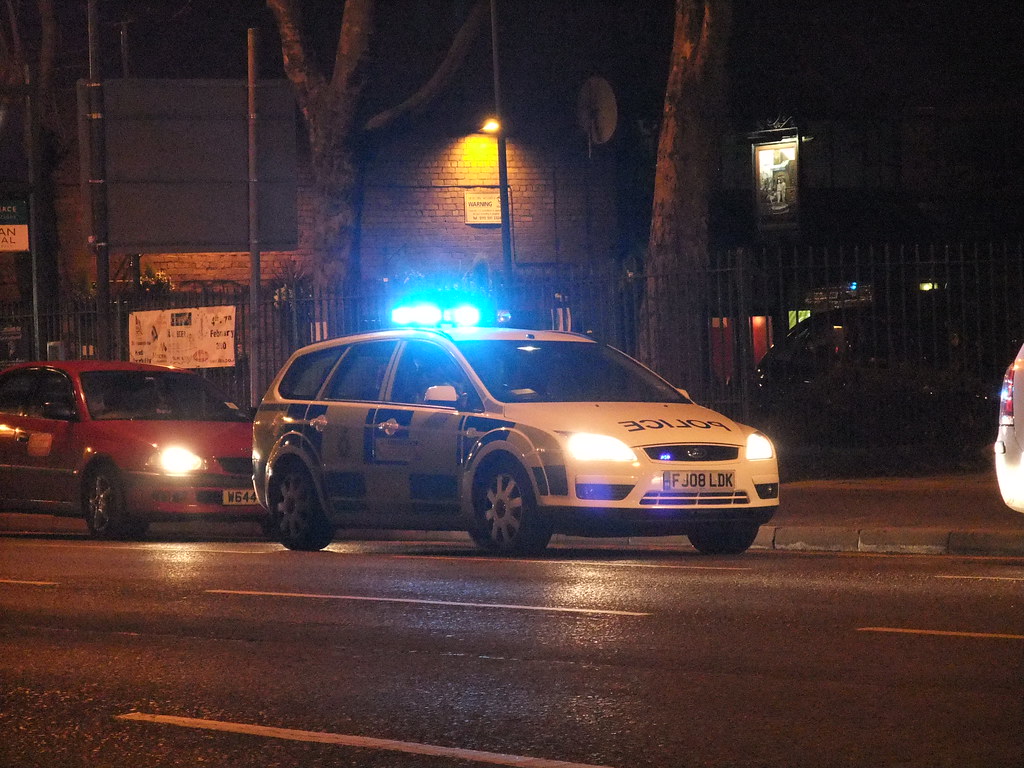

It started like the kind of ordinary drive you don’t remember later. I was running errands, thinking about absolutely nothing important, when I noticed a patrol car settle in behind me like it had decided we were traveling together now. A minute later, the lights came on.
I pulled over, hands where they could be seen, doing the whole “be calm, be polite” routine most of us have learned through experience, advice, or sheer survival instinct. The officer walked up and said I matched a “general description” from a call in the area. Then came the question that always lands a little heavier than it sounds: “Mind if I search your car?”
The “general description” problem: vague on purpose, powerful in practice
“General description” can mean almost anything, which is kind of the point. Sometimes it’s genuinely all police have — “blue hoodie,” “dark sedan,” “person with a backpack.” But that vagueness also creates a huge amount of discretion, and discretion isn’t always distributed evenly across communities.
When a description is broad, it’s easy for an officer to stop someone who’s simply nearby and plausible. And if you’ve ever felt your stomach drop when you realize you’re being evaluated as a “maybe,” you know how quickly a normal day can turn into a high-stakes conversation.
“Can I search?” sounds casual — but it’s a real legal moment
Here’s the thing: an officer asking to search your car doesn’t automatically mean they have the right to. In many situations, police need either your consent, a warrant, or a legal exception that allows a search without one. The tricky part is that the question is often asked in a way that makes it feel like you don’t have a choice.
Consent searches are common because they’re simple: if you say yes, the search is usually considered lawful even if there wasn’t much reason to suspect you. And a lot of people say yes because they’re nervous, because they don’t want things to escalate, or because they think refusing makes them look guilty. None of those reasons are silly — they’re human.
What I said — and why I kept it boring
I took a breath and asked, as neutrally as I could, “Am I being detained, or am I free to go?” Not in a snarky way — more like I was asking where the nearest gas station was. It’s a simple question that clarifies whether this is a temporary stop or something more.
When the officer repeated the “general description” line and asked again to search, I said, “I don’t consent to a search.” I didn’t tack on an explanation, I didn’t argue, and I didn’t try to litigate the Constitution on the shoulder of the road. I just kept my voice calm and my words short.
Rights are real — but so is the reality of the roadside
In theory, knowing your rights is empowering. In practice, you’re standing next to traffic while someone with a badge decides what the next ten minutes of your life look like. People respond differently depending on their identities, past experiences, and how safe they feel in that moment, and that’s worth saying out loud.
Refusing consent is legal. It also may not end the interaction immediately, because an officer can still run your license, ask questions, or look for other legal justification. But consent matters because it changes the legal landscape later, especially if something is found or if you need to challenge what happened.
What police can do without consent (and what they can’t)
Traffic stops come with some built-in authority: officers can typically request your license and registration, check for warrants, and address the reason for the stop. They may also look through your windows with a flashlight — anything in “plain view” from a lawful vantage point is generally fair game for observation.
Searches are different. Without consent or a warrant, officers generally need a recognized exception — for example, probable cause that evidence of a crime is in the car, or certain safety-related circumstances. Rules vary by jurisdiction, and the details can get technical fast, but the main idea is simple: “I’d like to search” isn’t the same as “I’m allowed to search.”
The social pressure to say yes is intense (and it’s not an accident)
When someone in authority asks, “You don’t mind, right?” the question is doing a lot of work. It implies cooperation is expected, and refusal is suspicious. That’s a powerful dynamic even when everyone stays polite.
The irony is that many people who have nothing illegal in their car still have something they’d rather not explain. A prescription bottle with a worn label, a friend’s bag in the back seat, cash from a side gig, an item that looks like it might be something else — life is messy, and searches punish messiness.
If you’re ever in this situation, here are a few lines that help
If you want practical scripts, the best ones are short and calm. “I don’t consent to a search.” “Am I free to go?” “I’m going to remain silent.” You can be respectful without being overly chatty, and you don’t need to fill the quiet with explanations.
If the officer searches anyway, don’t physically interfere. You can repeat that you don’t consent, but it’s safer to let the moment pass and address it later through proper channels. If you’re able, take mental notes: time, location, badge number, what was said, and whether there were any witnesses or cameras nearby.
Why this story matters beyond one traffic stop
My stop ended without a search, a ticket, or anything particularly cinematic — which is, frankly, the best-case scenario. But it left me thinking about how many people say yes because they’re scared, tired, young, or taught that “good people comply.” It also made me think about the people who don’t get to treat this as a weird anecdote to tell later.
“General description” policing lives in that gray area where discretion can become a shortcut, and shortcuts can become patterns. If you’ve ever felt like you were being assessed as a type instead of a person, you already understand the emotional math. The law may be written in neutral language, but experiences on the roadside often aren’t.
The takeaway: calm, clear, and collected beats clever
If there’s a lesson I’d actually share over coffee, it’s this: you don’t have to outsmart anyone. You just have to be steady. Ask if you’re free to go, don’t consent if you don’t want to, and keep your hands visible and your tone even.
And if you’re left feeling rattled afterward, that’s normal too. A stop like that isn’t “nothing,” even when nothing happens. It’s a reminder that everyday freedom can depend on how a stranger interprets a “general description” — and that’s worth paying attention to, even on the most ordinary drive.
More from Steel Horse Rides: