

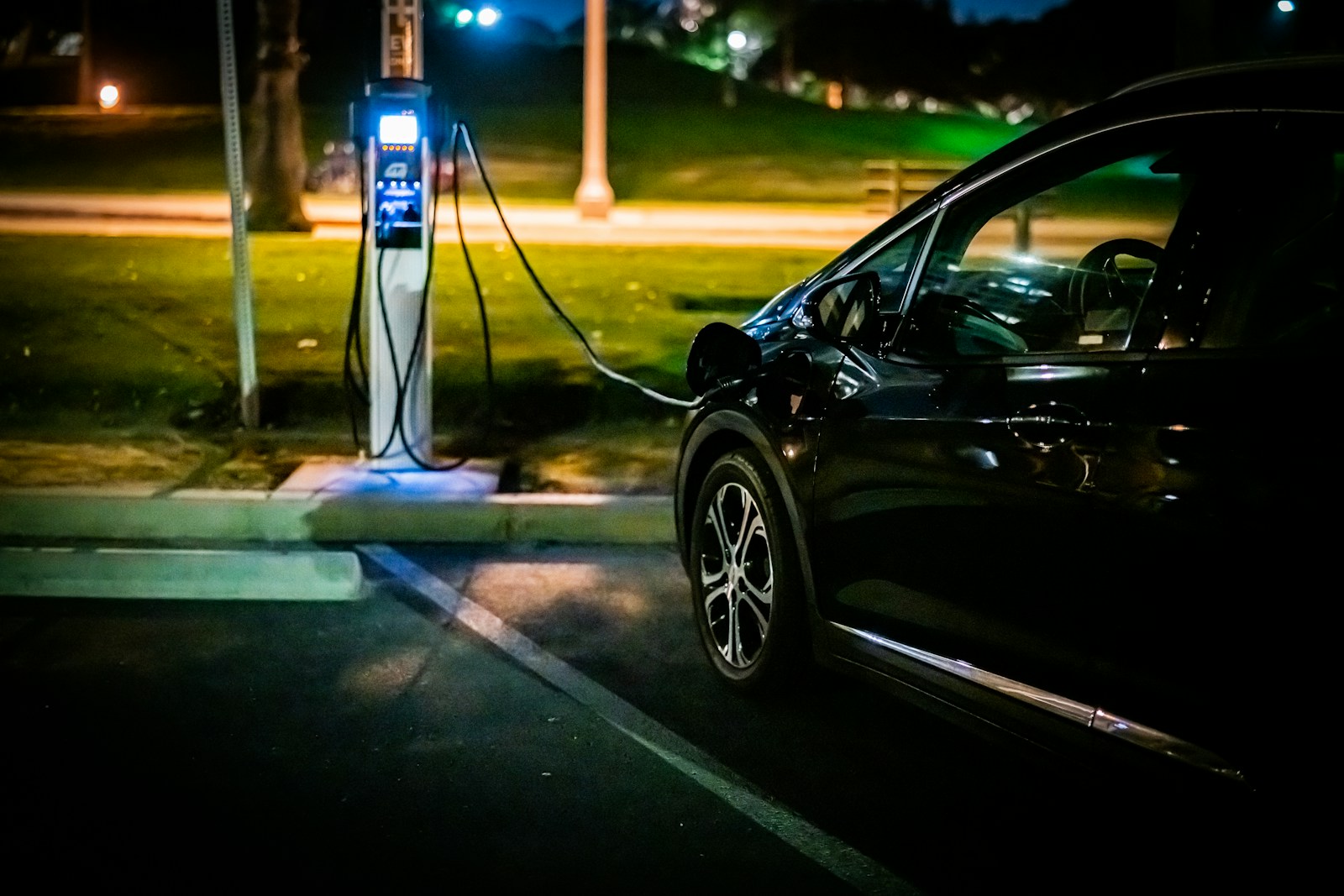
Recent reports indicate a significant decline in electric vehicle (EV) prices, potentially making them more accessible to the average consumer. As automakers strive to meet growing demand amidst rising interest in sustainable transportation, the shift in pricing could have lasting implications for the automotive market. With EV sales surging, the effects of these price changes are likely to reverberate across the industry and consumer behavior.
Current Market Trends
According to data from Kelley Blue Book, the average price of a new electric vehicle in the United States fell to $56,437 in September 2023, down from a peak of $66,000 in early 2022. This 14% drop signals a shift as manufacturers begin to adjust to market dynamics and competition heats up. Major players like Tesla and Ford have already initiated price cuts on some models, responding to both consumer demand and economic pressures.
Key Players in the Price Drop
Tesla, a dominant force in the EV market, has slashed prices on its Model 3 and Model Y multiple times this year. The Model 3, once priced around $40,000, now starts at approximately $35,000, making it more competitive against traditional combustion engine vehicles. Likewise, Ford has announced a reduction in the price of its 2023 Mustang Mach-E by nearly $5,000, bringing it closer to the pricing of comparable SUVs.
Influence of Government Incentives
Government incentives play a crucial role in the affordability of electric vehicles. The Biden Administration’s Inflation Reduction Act offers tax credits of up to $7,500 for eligible EV purchases, which can significantly lower the upfront cost for consumers. This financial relief has contributed to an increase in demand, prompting manufacturers to reconsider their pricing strategies.
Impact on Consumer Behavior
The drop in EV prices comes at a time when consumer interest in sustainable vehicles has surged. A recent survey by Consumer Reports revealed that 54% of American car buyers are now considering an electric vehicle for their next purchase. This growing interest is particularly pronounced among younger consumers, who are more likely to prioritize sustainability in their buying decisions.
Challenges Ahead
Despite these promising trends, challenges remain for the EV market. Supply chain issues, including shortages of crucial battery materials like lithium and cobalt, could hinder production and keep prices volatile. Additionally, the ongoing competition from established automakers entering the EV space, such as General Motors and Volkswagen, may lead to further price fluctuations as companies strive to capture more market share.
Long-Term Implications
The recent price reductions suggest a potential turning point for the electric vehicle market. As more consumers find EVs within their budget, the transition away from fossil fuel-powered vehicles could accelerate. Analysts predict that if this trend continues, EVs could make up 50% of all new car sales by 2030, a significant increase from current figures.
What Consumers Should Consider
For potential buyers, the current landscape presents both opportunities and considerations. While lower prices make EVs more appealing, prospective buyers should also evaluate the total cost of ownership, including maintenance, insurance, and charging infrastructure. With the average cost of charging an EV at about $0.15 per kilowatt-hour, many consumers may find that the long-term savings on fuel can offset the initial purchase price.
Conclusion: The Time to Act is Now
As electric vehicle prices continue to decline, consumers are presented with a timely opportunity to transition to more sustainable transportation options. With numerous models becoming more affordable and government incentives bolstering the case for EVs, the automotive landscape is poised for a significant shift. Now is the time for consumers to consider the benefits of joining the electric vehicle movement before prices potentially stabilize or increase again due to market pressures. Explore your options and see how you can contribute to a greener future today.