

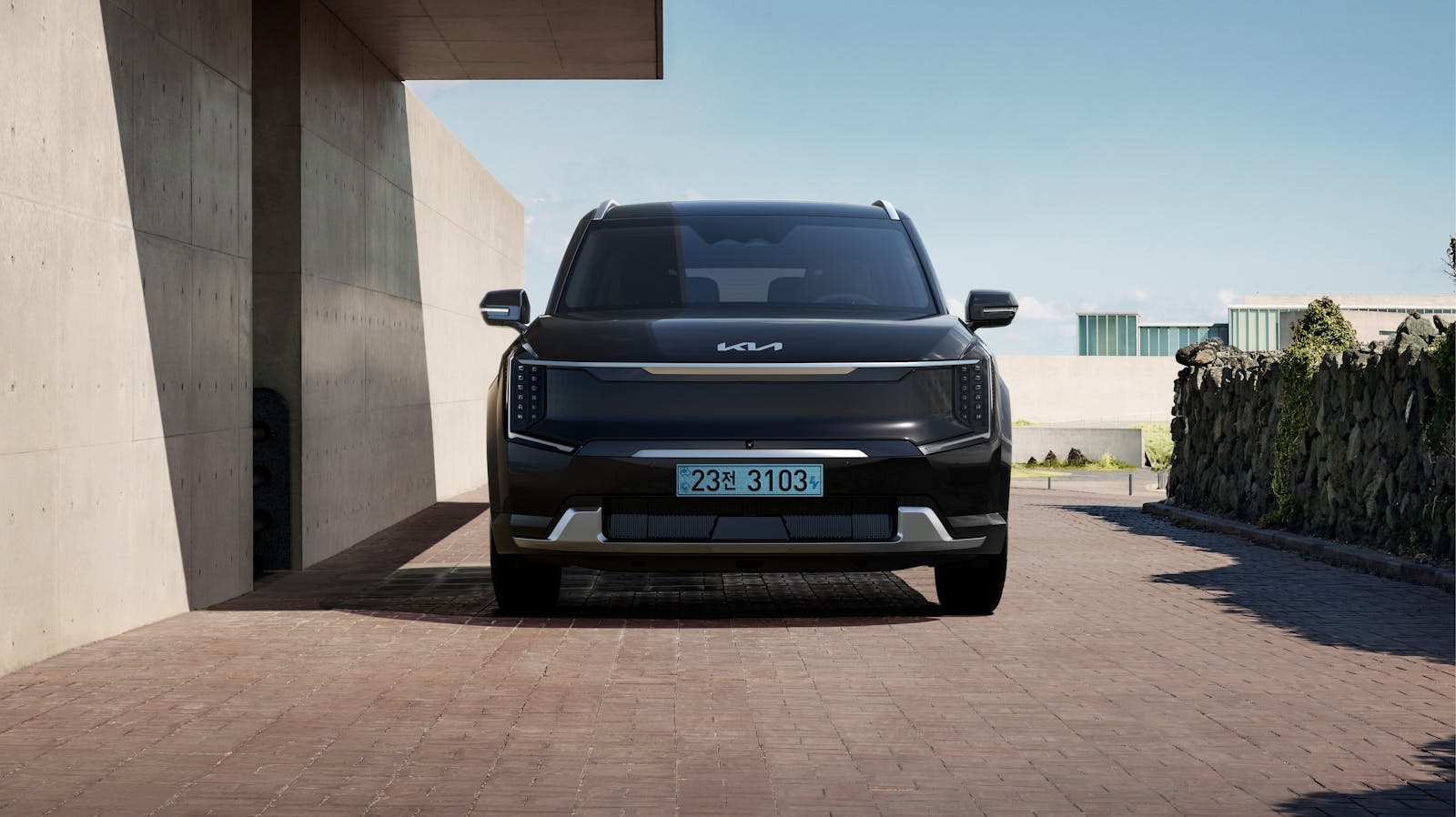
Electric vehicle (EV) recalls surged in the first quarter of 2025, affecting over 200,000 vehicles across multiple manufacturers, raising concerns about safety and reliability in a sector that has been rapidly expanding. This trend is significant as it highlights potential issues in the burgeoning EV market, which has been increasingly relied upon for reducing carbon emissions and promoting sustainable transportation. As consumers invest heavily in these vehicles, understanding the reasons behind these recalls becomes critical for both manufacturers and buyers alike.
Statistics Behind the Surge
In Q1 2025 alone, the National Highway Traffic Safety Administration (NHTSA) reported 15 major EV recalls, a 25% increase compared to the same quarter in 2024. Notably affected models include the 2023 Tesla Model Y, which accounted for nearly 70,000 units recalled due to battery management system issues that could increase the risk of a fire. Similarly, the 2023 Chevrolet Bolt EV saw a recall of 50,000 vehicles due to potential software malfunctions that could impact the vehicle’s braking system.
This uptick in recalls is alarming given the projected growth of the EV market, which is expected to see sales double by 2026. With more consumers entering the market, the stakes are higher for manufacturers to ensure that their vehicles are not only appealing but also safe and dependable.
Reasons Behind the Recalls
Several factors contribute to the rise in EV recalls, with technological complexity being a primary concern. Modern EVs are equipped with intricate software systems and advanced battery technologies that, while innovative, can be prone to failures and bugs. According to an industry report, about 40% of recalls in 2025 were directly linked to software issues, underscoring the challenges manufacturers face in maintaining software reliability.
Battery technology, while revolutionary, has also raised concerns. The lithium-ion batteries used in most EVs can pose risks if not properly managed. The NHTSA’s recent investigations into battery fires have led to recalls for brands like Hyundai and Kia, who have been scrutinized for the safety of their battery designs. As EVs become more mainstream, the industry must address these safety concerns effectively to maintain consumer trust.
Impact on Manufacturers and the Market
Manufacturers are facing increasing scrutiny from regulators and consumers alike. Companies like Ford and Rivian, which have recently launched new models, are under pressure to ensure that quality control measures are robust. Ford’s 2023 F-150 Lightning saw a recall of 30,000 units due to issues related to battery performance, impacting the company’s reputation as it aims to capture a significant share of the EV market.
This surge in recalls could lead to a ripple effect across the industry, potentially affecting sales and consumer confidence. A recent survey indicated that 68% of prospective EV buyers are now more cautious about making a purchase following news of these recalls. As EVs are often seen as a long-term investment, such apprehension can deter potential buyers, ultimately influencing market growth.
Future Outlook and Consumer Awareness
Looking ahead, the EV industry must adapt to these challenges to maintain momentum. Industry experts suggest that manufacturers should prioritize transparency with consumers regarding recalls and potential safety issues. Building a proactive approach to customer service and communication can mitigate the impact of recalls on brand reputation.
Additionally, as technology continues to evolve, investment in more reliable software systems and battery technology will be crucial. Research and development in these areas could lead to fewer recalls in the future, improving overall consumer confidence in EVs.
What Consumers Should Know
For current and prospective EV owners, staying informed is essential. It’s advisable to regularly check for recall notices on vehicles, which can be done through the NHTSA website or through manufacturer channels. Furthermore, understanding the specifics of any recall—such as the nature of the defect and the timeline for repairs—can help consumers make informed decisions about their vehicles.
As the EV market evolves, consumers should also consider the warranty and service offerings from manufacturers. A strong warranty can provide peace of mind amid growing concerns about recalls, and understanding service protocols can help ensure that any issues are resolved quickly and efficiently.
Call to Action
As electric vehicles become a more significant part of our transportation landscape, staying vigilant about recalls is imperative for safety and satisfaction. If you own or are considering purchasing an EV, make sure to stay updated on any recalls and understand the implications for your vehicle. Visit the NHTSA website or your vehicle’s manufacturer for the latest information, and don’t hesitate