

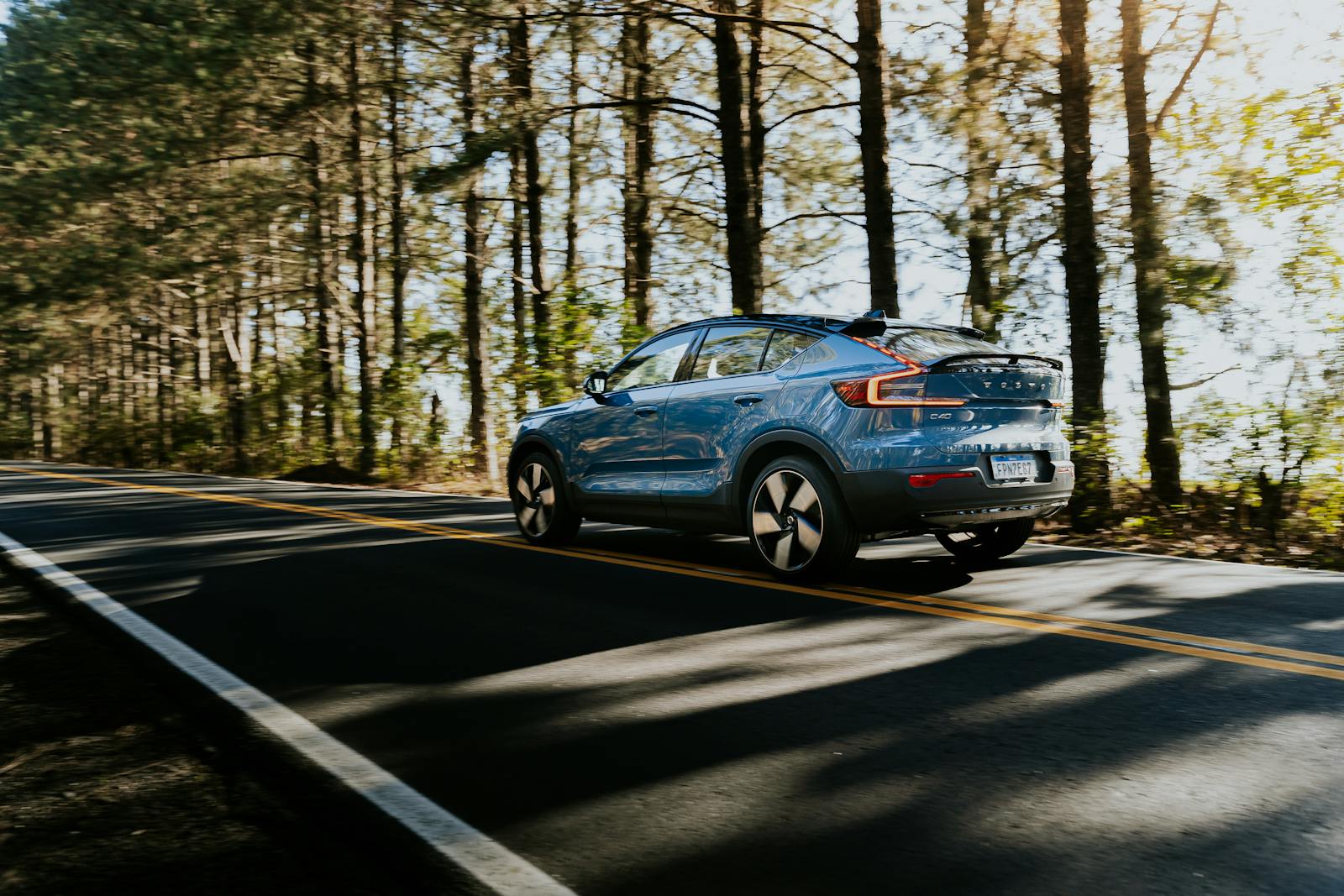
With a significant expansion of charging infrastructure and advancements in battery technology, electric vehicle (EV) road trips are becoming a reality for many drivers. According to a recent survey by the American Automobile Association (AAA), 50% of Americans are now open to taking a road trip in an electric vehicle, a marked increase from just 30% two years ago. This shift not only affects potential travelers but also indicates a crucial step towards mainstream acceptance of electric vehicles in everyday life.
Charging Infrastructure Expansion
One of the primary concerns for EV owners has been the availability of charging stations, especially on long trips. However, the number of public charging stations in the United States has surged to over 130,000, according to the U.S. Department of Energy. This expansion, which includes fast chargers capable of replenishing 80% of a battery in about 30 minutes, has made it easier for EV drivers to plan longer journeys without the fear of running out of power.
Major players in the automotive industry, such as Tesla and Electrify America, have also contributed to this increase. Tesla’s Supercharger network alone boasts over 30,000 charging stations globally, allowing drivers to traverse large distances with ease. Moreover, new partnerships between automakers and charging companies promise to further enhance accessibility, making EV road trips more feasible than ever before.
Advancements in Battery Technology
Battery technology has seen significant improvements, resulting in longer ranges for electric vehicles. The 2023 Ford Mustang Mach-E, for instance, offers an impressive range of up to 312 miles on a single charge, making it a viable option for long-distance travel. This is in stark contrast to earlier models, such as the 2013 Nissan Leaf, which had a maximum range of just 75 miles.
These advancements not only reduce “range anxiety” for potential road trippers but also allow for more spontaneous travel plans. The increased range means that drivers can plan fewer charging stops, making journeys more convenient and time-efficient. As battery technology continues to evolve, experts predict that future models will push the range even further, potentially exceeding 400 miles per charge.
Route Planning and Apps
To assist EV drivers in planning their road trips, several apps have emerged that help identify charging stations along their routes. Tools like PlugShare and A Better Route Planner offer real-time data on charging station availability and can calculate optimal routes based on the specific vehicle’s range and charging capabilities. These advancements in route planning technology are particularly important for long-distance travel, eliminating much of the uncertainty that previously plagued EV road trips.
Additionally, many EV manufacturers are incorporating built-in navigation systems that automatically include charging stations in route calculations. For example, the 2023 Kia EV6 not only provides directions to a destination but also indicates when and where drivers should stop for charging, making the experience even more user-friendly.
Cost Considerations
While the initial purchase price of electric vehicles can be higher than that of traditional gasoline-powered cars, the long-term savings are becoming clearer. According to the U.S. Department of Energy, the average cost of electricity for EV charging is approximately $0.14 per kWh, compared to an average of $3.40 per gallon of gasoline. This means that driving an EV can cost about 60% less than driving a gasoline car, especially on longer trips where fuel costs can add up quickly.
Moreover, various incentives are available to EV buyers, including federal tax credits of up to $7,500 and additional state incentives that can further reduce the overall cost. For those considering a road trip, these financial factors make electric vehicles a more attractive option than ever before.
Challenges Still Remain
Despite the progress made, challenges still exist for EV road trips. While charging infrastructure is expanding, it is not yet as universally available as gas stations, particularly in rural areas. Some regions still lack sufficient fast-charging options, leading to potential delays and increased travel times. Furthermore, the variability in charging times can be frustrating for drivers who are used to the quick refueling of gasoline vehicles.
Additionally, battery degradation over time can affect the vehicle’s range, a consideration that potential buyers should keep in mind. New studies indicate that EV batteries can lose about 20% of their capacity after 10 years of use, impacting the practicality of road trips for older models.
Conclusion: The Future of EV Road Trips
As charging infrastructure continues to grow and battery technology improves, electric vehicle road trips are becoming increasingly practical for everyday travelers. With advancements in range, planning tools, and overall