
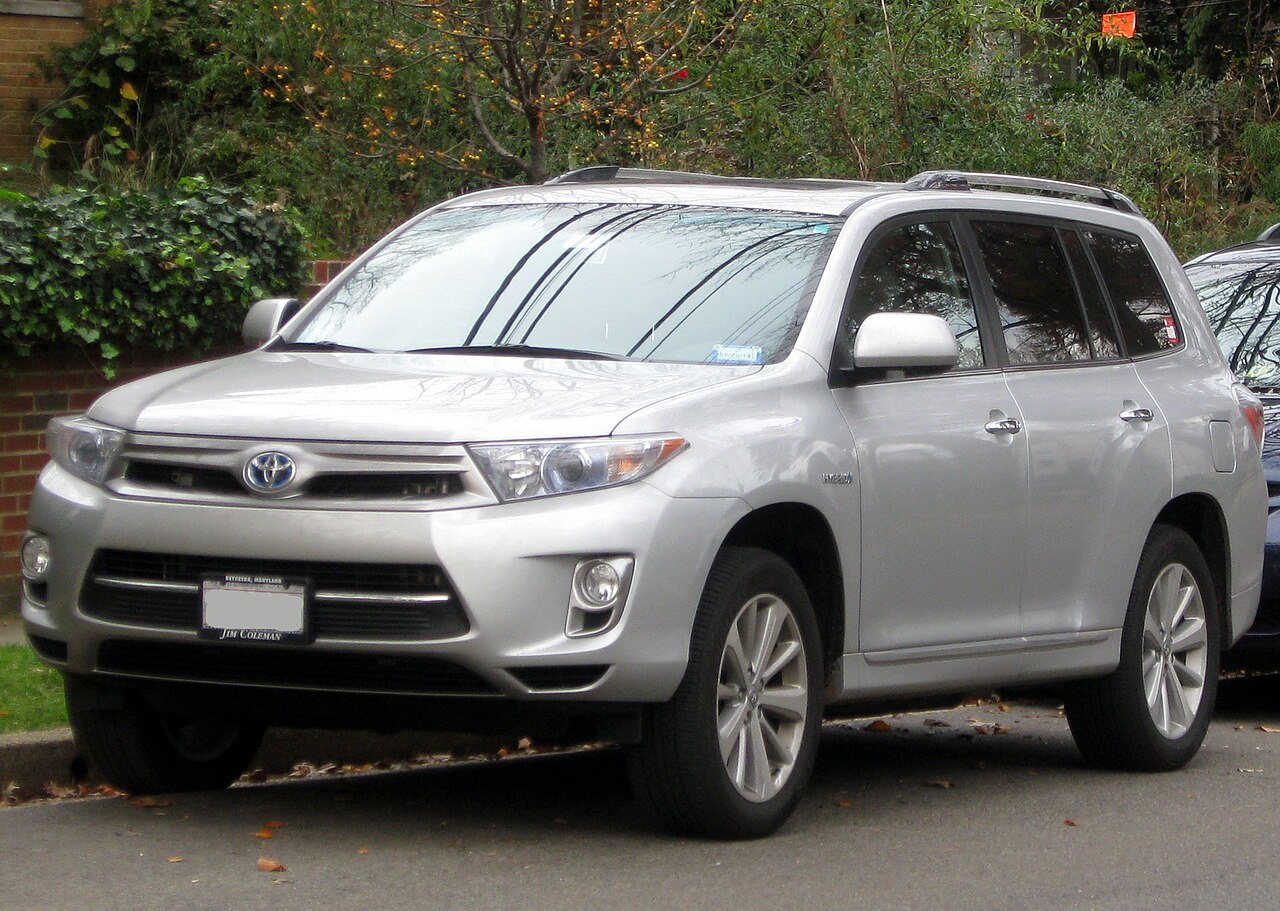

Hybrid badges are quietly spreading across dealer forecourts just as diesel logos are being nudged toward the back row. For everyday drivers who care more about running costs and city access than lap times, the practical question is shifting from “diesel or petrol” to whether a hybrid now does the job better. The answer is not as simple as a blanket yes, but the balance of convenience, policy pressure and technology is tilting in one clear direction.
Across Europe and beyond, hybrids are moving from niche to default for family cars and crossovers, while diesel retreats into a specialist role for heavy use. Tighter emissions rules, changing tax regimes and the fact that modern hybrid systems finally feel normal to live with are all pushing the trend along. Diesel is not dead, but for a growing share of drivers, it is starting to look like the complicated option rather than the sensible one.
Diesel’s shrinking comfort zone

For years, diesel was the automatic pick for anyone racking up motorway miles, and that history still shapes habits. As recently as 2015, diesel vehicles made up at least 50% of new car sales in Europe, which locked a generation of buyers into the idea that torque and long range equal practicality. That logic has been shaken by urban clean-air zones, higher duty on diesel fuel in some markets and the reputational hit from emissions scandals. The European diesel engine is now associated as much with looming restrictions as with thrift, and that is a tough starting point for any “sensible” choice.
Carmakers are not walking away from the fuel completely, but they are narrowing where it appears. Stellantis has openly signalled that it will keep diesel engines in its product portfolio and, in some segments, even increase its powertrain offer, yet that recommitment is focused on specific parts of Europe where towing, vans and high-mileage fleets still dominate. The message between the lines is clear: diesel is becoming a tool for particular jobs rather than the default answer for everyone who drives more than a few thousand miles a year.
Why hybrids suddenly feel like the “normal” option
As diesel has been squeezed into a corner, hybrids have quietly become the powertrain that fits into most people’s lives with minimal drama. Hybrid-electric systems pair a petrol engine with an electric motor so the car can glide silently at low speeds, then lean on combustion power when needed. For city drivers, that mix turns stop-and-go traffic into something less painful, because the electric side handles crawling queues while the engine rests. Dealers now pitch this as the sweet spot between pure battery models and traditional engines, which is exactly how many buyers want their next car to feel.
The driving experience helps seal the deal. Many modern hybrids are praised for Quiet and Smooth, with electric assistance masking gearchanges and cutting vibration at low revs. That refinement is not just a luxury perk; it changes how relaxed a commute feels and how easy it is to chat with passengers or take a hands-free call. When all Toyota hybrids, Honda e:HEVs and similar systems default to automatic transmissions and near-silent pull-away, the old diesel rattle starts to feel like a throwback rather than a badge of serious intent.
Fuel economy: close race, different strengths
On paper, diesel still has a strong story on long-distance efficiency. Traditional diesel engines typically increase gas mileage by 30 to 35% over equivalent petrol engines, which is roughly in the same ballpark as what many hybrid systems achieve. That is why long-haul drivers, from sales reps to caravan owners, still see diesel as a rational choice when most of their miles are steady-speed motorway runs. In that use case, the engine spends its life in an efficient operating window and the fuel savings stack up quickly.
Hybrids flip the script in urban and mixed driving. When a car spends much of its time accelerating, braking and idling, the electric motor can capture energy that would otherwise be wasted and redeploy it to help the petrol engine. Guidance from one long-running comparison suggests drivers go with gasoline if they cover low annual mileage, choose a hybrid for city-heavy use, and reserve diesel for consistently high-mileage motorway work, a rule of thumb that still holds up in the age of plug-in options. For many households that mix school runs, weekend trips and the odd holiday, hybrids end up matching or beating diesel on real-world economy without the same exposure to future urban penalties.
Costs, maintenance and the diesel hybrid “missing link”
Running costs used to be diesel’s trump card, but that edge has eroded as hybrid tech has matured. Hybrid vehicles tend to sit below pure electric cars in servicing bills and, according to one breakdown of ownership costs, have maintenance expenses that are lower than traditional combustion models over time because their engines often work less hard. Another analysis of Regular Service Costs when oil changes are compared notes that hybrids and petrol cars can fall into a similar range, with typical visits running up to $80, so the big savings come from reduced wear on brakes and engines rather than headline service prices.
The absence of diesel hybrids on most roads is not an accident. A detailed look at why they are rare points out that there is simply less demand for a diesel vehicle to be hybridised, because petrol engines already convert around 25 percent of their fuel’s energy into motion and gain more from electric assistance. One Jan report framed it bluntly: less need for diesel hybrids means there is little incentive for manufacturers to invest when petrol units already pair so well with batteries. Another Jan analysis that asks which powertrain is better concludes that diesel hybrids are a better fit for very specific use cases, while mainstream buyers are better served by petrol-based systems that sit more naturally between electric and ICE cars, especially in urban environments.
Policy pressure and the quiet rise of hybrids in Europe
Regulation is doing as much as engineering to shift what feels “practical” for drivers. The European diesel engine has been targeted by city-level penalties that range from higher parking charges to outright bans on older models, and those rules have pushed many households to rethink the fuel they are willing to bet on for the next decade. At the same time, hybrids are being welcomed as a softer step toward electrification, with tax breaks and access perks that are often denied to older diesels. For anyone who lives inside or near a low-emission zone, the risk of being shut out of key streets makes diesel look less like a safe long-term bet.
Sales data shows how quickly that sentiment is feeding through to showrooms. Hybrid-electric vehicles have already dethroned purely petrol-powered cars as the top power option among consumers in Europe, with one Jan dataset highlighting hybrid models as the new volume leaders while both petrol and diesel vehicles dropped. Meanwhile, sales of battery-electric vehicles jumped by 30 percent to account for 17.4 percent of overall sales, even as ACEA warned that charging infrastructure and incentives are not yet where they need to be. Hybrids are effectively filling the gap between policy ambition and charging reality, giving drivers a way to cut emissions and future-proof their cars without fully committing to plugs.
More from Wilder Media Group: