
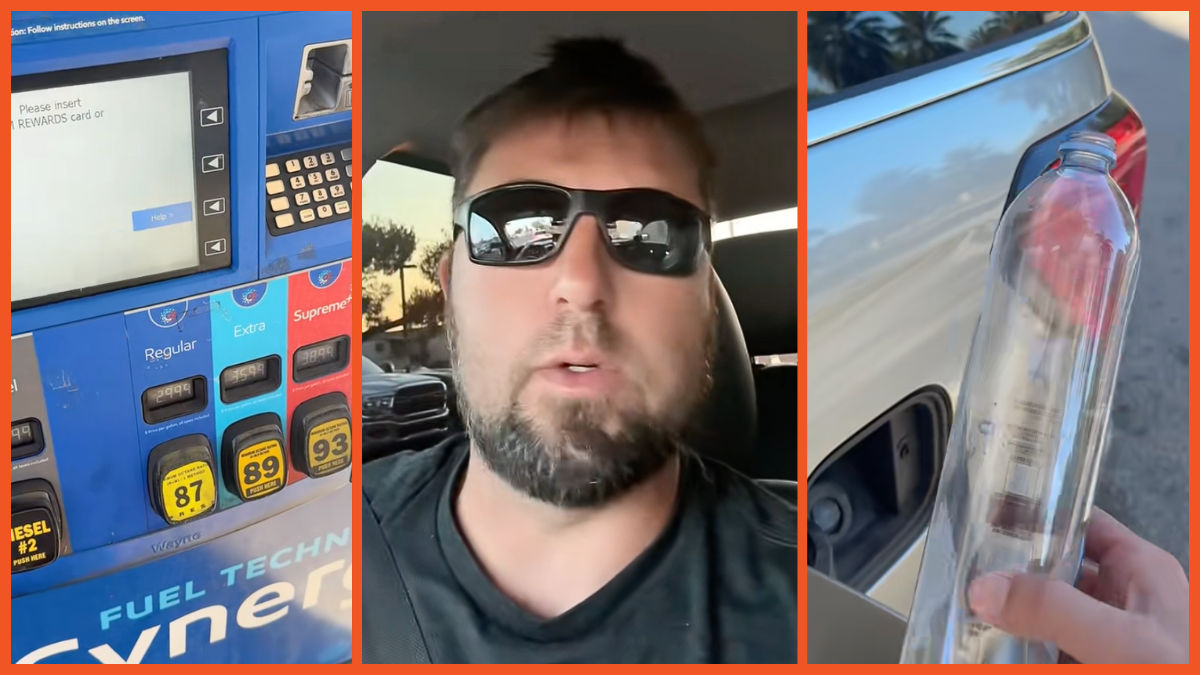

An Arizona man who says Alamo Rent a Car handed him the wrong vehicle decided to get even by driving it hard, a kind of vigilante “revenge” that social media users framed as the company’s problem, not his. Legal experts and rental veterans say that attitude may feel satisfying in the moment but can backfire badly once contracts, damage claims, and secret blacklists come into play. The dispute highlights how fragile the relationship is between renters and big brands when frustration turns into payback behind the wheel.
His story is landing at a time when drivers are already wary of surprise bills and quiet bans from rental counters, and when viral posts encourage customers to fight back with covert recordings and public shaming. The Arizona case shows how quickly that impulse can slide from consumer pushback into conduct that looks, to a prosecutor or claims adjuster, like intentional abuse of someone else’s property.
The Arizona dispute and the temptation of “revenge driving”
According to a transmission specialist who discussed the case, an Arizona customer booked one type of vehicle from Alamo Rent a Car but was handed a different model at pickup, then told that if the car failed, “Their problem” would be to fix it because he had not chosen it. The man reportedly responded by driving the rental aggressively, treating the mismatch as a green light to push the car to its limits and framing that behavior as justified retaliation against Alamo Rent. That posture mirrors a broader online trend in which frustrated customers treat corporate mix-ups as an excuse to ignore mechanical warnings or basic care.
The Arizona saga is unfolding against a backdrop of other rental headaches, including an earlier case in Aug in which an Arizona man said he returned a car, went back to his life, and months later was told he owed money for damage he insisted he did not cause, a shock he described as feeling like a prank call when the bill arrived by phone from Arizona. In both situations, the renter believed the company’s mistake or delay shifted responsibility away from him, a belief that can collide with contracts that make the driver liable for how the vehicle is used regardless of any front-desk mix-up.
What the contract and the law say about abusing a rental
Rental agreements are written to close exactly the loophole the Arizona driver thought he had found. Standard terms for Alamo Rent a Car spell out that You, as the customer, accept financial responsibility for fees tied to disputes and arbitration, including filing and administrative costs, up to a defined cap, while the company covers the rest of the arbitration expenses if the case escalates beyond that point You. That cost sharing is a reminder that if a renter intentionally thrashes a car and a mechanical failure or crash follows, the dispute will not be framed as a harmless prank but as a contractual breach that can land in a formal forum.
On the criminal side, New York defense attorney Michael Arbeit describes Criminal mischief as intentionally damaging someone else’s property, a category that can cover everything from keying a parked car to more complex schemes involving vehicles entrusted to a driver for limited use Criminal. If a prosecutor in a state like Arizona decided that a renter deliberately abused a car to “teach the company a lesson,” that pattern could be argued as intentional damage rather than ordinary wear and tear. Even without criminal charges, civil claims can stack up quickly, especially when rental firms add Administrative and loss of use fees for towing, storage, and the days a car is out of service during repairs or a police investigation Administrative and. Those add-ons can turn a moment of revenge driving into a bill that dwarfs the original rental cost.
Wrong cars, quiet bans, and smarter ways to push back
Part of what fuels the urge to retaliate is that renters often feel powerless when the car at the counter does not match what they reserved. Complaints logged against Alamo Rent a Car describe customers who booked a higher class of vehicle and arrived to find a smaller or older model, then struggled to secure an upgrade or compensation after the fact, even when they believed the substitute was clearly worse than what they paid for worse car. One detailed grievance about an Aug booking notes that Alamo Rent A Car substituted a worse car than booked and left the renter asking how to request upgrade compensation, with consumer advocates advising that If Alamo gave you a lower class vehicle than reserved, you can document the downgrade and use dispute tools like Xolvie to seek a resolution If Alamo. That paper trail is far more effective than silently punishing the car on the highway.
There is also a hidden risk that a renter who pushes back too aggressively, whether through chargebacks or confrontations, can be quietly flagged. Travel experts have documented cases in which customers discovered they had been banned from renting after a dispute, including Jenny Lehman, who learned that Enterprise had added her to its DNR list after she challenged a charge on her credit card and later found that the company insisted the ban was justified even when she believed it was not Jenny Lehman. That kind of quiet blacklisting can leave a traveler stranded at the counter with no car, a far more disruptive outcome than being stuck with the wrong class of SUV for a weekend.
Social media outrage, covert cameras, and the line between evidence and escalation
The Arizona man’s story is circulating in the same online spaces that recently amplified a whistleblower’s account of a dealership service manager allegedly taking customer cars on joy rides, a saga that unfolded on Reddit and prompted Some responses urging drivers to confront abusive staff directly Some. In that case, commenters framed the manager’s behavior as a “massive ego” problem and encouraged customers to treat their own vehicles as evidence-gathering tools, not just transportation. The same instinct is now bleeding into rental disputes, where drivers see themselves as underdogs against large companies and look for ways to flip the power dynamic.
Advice in those threads has grown more tactical, with some users telling car owners to Discreetly record their manager driving off in a customer vehicle so they have proof if something goes wrong, and to keep filming regardless of how management reacts to complaints about unauthorized use Discreetly. Consumer advocates say similar documentation can help renters too, from photographing the car at pickup and drop-off to saving every text and email about a vehicle swap. Separate reporting on rental practices notes that customers can even be banned without warning, with one travel investigation explaining how a driver can be added to a company’s internal list and later discover at the counter that they have effectively been blacklisted by a major brand banned. Used carefully, that kind of evidence can protect a renter from unfair damage claims or surprise bans, but when it is paired with deliberate abuse of the car, it may simply give companies and prosecutors clearer proof of intent.
More from Wilder Media Group: