
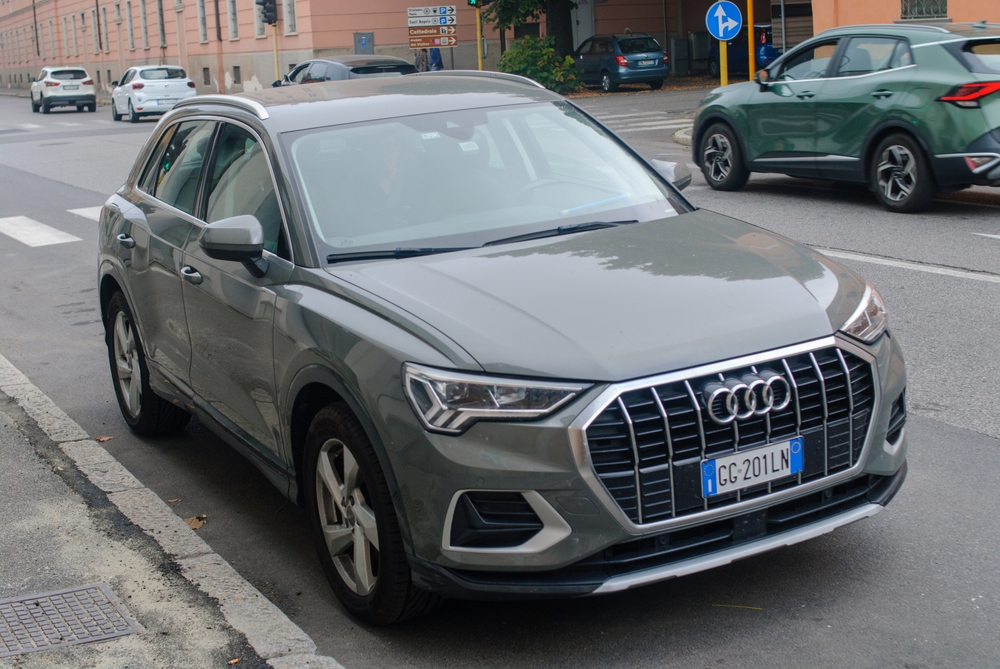

The 2026 Audi Q3 rolled into dealerships with a completely new look, and shoppers who remember the previous version are doing double-takes. The redesigned Q3 delivers more power, better tech, and a significantly improved interior that finally feels worthy of the Audi badge—all while maintaining a competitive price point in the subcompact luxury SUV segment. What was once considered the brand’s weakest link has transformed into something that’s making both critics and potential buyers reconsider their shopping lists.
The changes run deeper than fresh styling. The Q3 finally grows up with a turbocharged engine pumping out 255 horsepower, upgraded screens throughout the cabin, and a level of refinement that the old model simply couldn’t match. For around $45,000 to start, Audi packed in features that were previously optional and created an SUV that competes head-to-head with the BMW X1 and Mercedes-Benz GLA.
The surprise factor comes from how much Audi improved without drastically inflating the price tag. Buyers walking into showrooms expecting the same underwhelming experience from the outgoing Q3 are finding a vehicle that handles like a proper German SUV, looks modern inside and out, and offers the kind of driving experience that makes the daily commute more enjoyable.
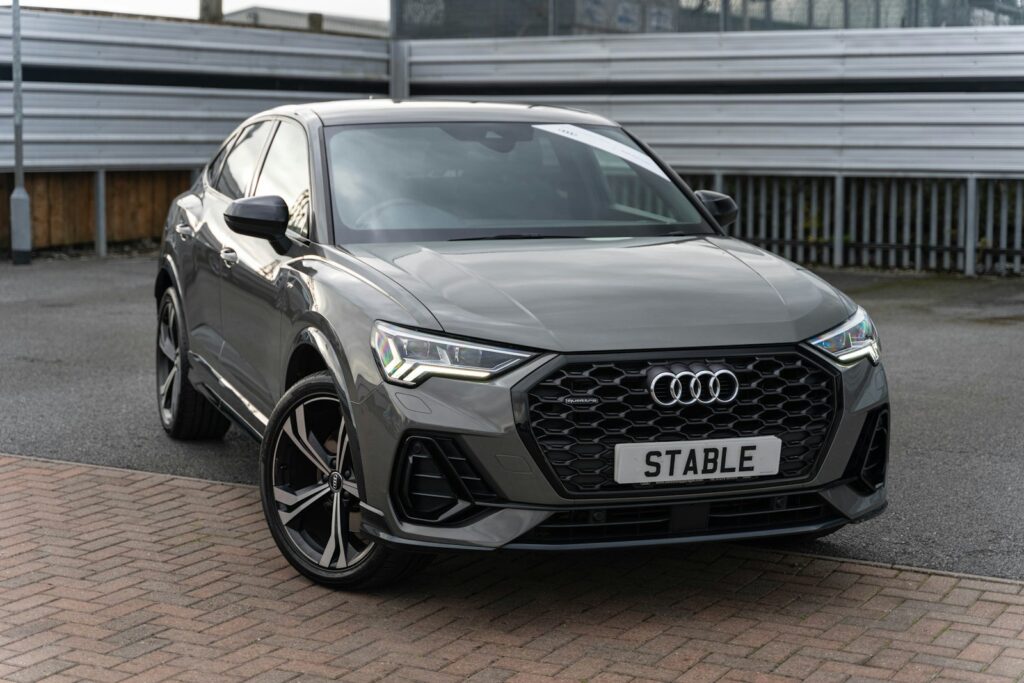
Audi Q3’s Big Redesign: What’s Got Everyone Surprised
The redesigned 2026 Audi Q3 brings more power, updated technology, and a refined interior that’s turning heads. The changes go beyond typical midcycle updates, delivering improvements that are catching both reviewers and potential buyers by surprise.
Immediate First Impressions of the 2026 Q3
The 2026 Q3’s exterior redesign features new sheetmetal that gives the subcompact crossover a bolder presence. Audi added fresh color options including Malpelo Blue Metallic, which showed up frequently in early reviews and press materials.
The Black Optic Package adds darker exterior trim elements that enhance the sporty appearance. Early test drives in California revealed that the Q3 now feels more substantial on the road, with reviewers noting it finally carries the premium feel expected from the Audi badge.
The size increase is noticeable when standing next to the vehicle. The Q3 grew in dimensions, giving it a more commanding road presence while maintaining its subcompact classification.
Highlights of What’s New: Upgrades and Feature Changes
The powertrain received a significant boost. The 2026 Q3 now accelerates from 0-60 mph in 5.5 seconds, thanks to increased power and torque output.
Inside, the cabin transformation represents one of the biggest surprises. The new interior will be the envy of competitors, featuring materials and technology previously reserved for higher-trim Audis.
Key upgrades include:
- More cargo space for improved practicality
- Advanced technology features as standard equipment
- Upscale interior materials throughout the cabin
- Digital displays behind the steering wheel
The tech package brings features from Audi’s premium models down to their entry-level crossover. This trickle-down approach gives buyers access to capabilities they wouldn’t expect at this price point.
Unexpected Value and Trim Strategy
The S line Quattro trim packs a surprising amount of standard equipment. Audi loaded the base configurations with features that competitors often reserve for higher trims or optional packages.
The plethora of standard tech caught reviewers off guard during the 2026 Audi Q3 first drive events. Instead of nickel-and-diming buyers with add-ons, Audi bundled desirable features into the starting price.
This strategy positions the Q3 differently than previous generations. The compact SUV delivers big value by stuffing features from more expensive models into an accessible package.
How Q3’s Design Now Stacks Up Against the Competition
The redesign puts the Q3 in direct competition with several established players. The BMW X1 and Mercedes-Benz GLA represent traditional German rivals, while the Acura ADX, Volvo XC40, and Lexus UX round out the luxury subcompact field.
Against these competitors, the Q3’s updates help it feel like a real Audi rather than a stripped-down entry point. The performance metrics now match or exceed what rivals offer, with the 5.5-second sprint time beating several competitors in the segment.
The interior quality particularly stands out when cross-shopping. Where the previous Q3 felt like a budget offering, this generation competes directly with the premium cabins found in the Volvo XC40 and upper-trim X1 models. The technology integration matches what buyers find in newer electric vehicles, giving the gas-powered Q3 a modern edge.
Performance, Tech, and Everyday Living with the New Q3
The redesigned Q3 brings a more powerful engine, upgraded interior technology, and refined daily usability that’s resonating with drivers who expected less from a compact luxury SUV. Real-world performance and tech features have surprised early adopters.
Engine Updates and On-Road Feel
The 2026 Q3 arrives with a single powertrain option that replaces the previous base engine. Every model now gets a 2.0-liter turbocharged four-cylinder paired with a seven-speed dual-clutch transmission and standard quattro all-wheel drive.
The engine produces noticeably more power than the outgoing model. Reviewers who drove the Q3 in California reported improved acceleration and responsiveness compared to what many shoppers might remember from earlier versions.
The revised chassis contributes to better handling dynamics on winding roads. The dual-clutch gearbox shifts quickly and smoothly in normal driving, though some drivers notice occasional hesitation at parking lot speeds.
Interior Experience: Comfort, Infotainment, and Space
The cabin represents a significant leap forward with Audi’s latest dual-screen digital cockpit becoming standard equipment. The redesign brings an interior that rivals competitors in materials quality and layout.
The infotainment runs on Android Automotive OS, which supports wireless Apple CarPlay and built-in Google apps. Response times are quick and the interface feels intuitive once drivers spend a few days learning the menu structure.
Cargo capacity increases slightly with the larger dimensions. Rear seat passengers gain a bit more legroom, though it’s still a compact SUV at its core. Dual-pane acoustic glass helps reduce road noise on the highway.
Tech Packages and Cool Features
The driver assistance package bundles adaptive cruise control with lane-keeping assist and automated emergency braking. A technology package adds features like a head-up display and adaptive cruise assist that centers the vehicle in its lane on highways.
Buyers can opt for a heated steering wheel, ventilated front seats, and a premium Bang & Olufsen sound system. The infotainment package enhances the screen functionality with additional apps and services.
Wireless phone charging comes standard, along with multiple USB-C ports throughout the cabin. The digital gauge cluster can be customized to show navigation maps, performance data, or a minimalist view.
How Audi’s Q3 Compares on Efficiency and Ownership
Fuel economy ratings land around 25 mpg combined with the 2.0-liter turbo and all-wheel drive setup. That’s competitive with other luxury compact SUVs but not class-leading.
Premium fuel is recommended for optimal performance. Maintenance costs align with typical Audi ownership, with the brand’s warranty covering four years or 50,000 miles.
The Q3’s starting price positions it competitively against similarly equipped rivals from BMW and Mercedes-Benz. Option packages can push the total cost higher quickly, but the base model includes more standard features than previous years.
More from Steel Horse Rides: