
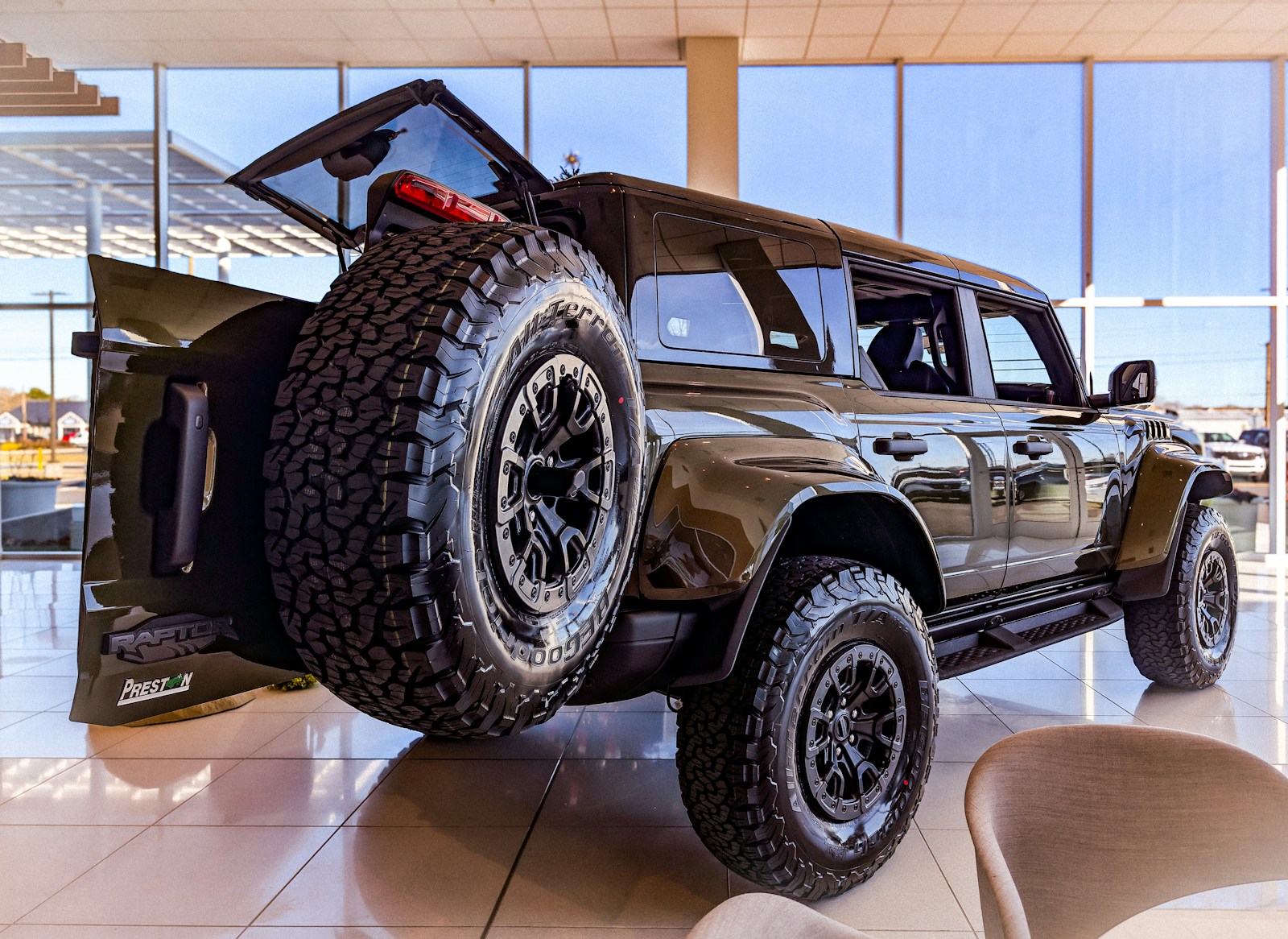

Drivers are discovering too late that the reassuring full-size or “donut” wheel they expect under the trunk floor is gone, replaced by a small repair kit or nothing at all. Automakers have quietly treated the spare tire as expendable hardware, trading it away for marginal gains in efficiency, cost savings, and cargo space while leaving motorists to improvise when rubber meets road. The result is a growing gap between what buyers assume comes with a new car and what is actually there when a tire fails far from help.
The shift is not a niche quirk of a few futuristic models, but a broad industry trend that now affects everything from compact crossovers to family sedans. As more brands delete spares from standard equipment, drivers are relying on sealant, run-flats, and smartphone apps instead of a simple wheel and jack, often without clear warning that their safety net has been removed.
Why automakers decided the spare tire was expendable

Inside product planning meetings, the spare tire has become an easy target for engineers chasing weight and cost reductions. A conventional wheel, tire, jack, and tools can add roughly 25 pounds or more, and manufacturers argue that dropping that mass improves fuel economy and emissions just enough to help meet tightening standards. One analysis notes that automakers frame the change as a way To Save Weight, pointing out that the Spare and the hardware that goes Along with it are heavy dead weight when they are not in use.
Cost pressures are just as important as engineering goals. Building every vehicle with a fifth wheel, tire pressure sensor, jack, and mounting hardware adds material and labor that do not show up in glossy brochures, so cutting the spare becomes a quiet way to protect margins on price-sensitive models. Industry explanations emphasize that removing a roughly 25 pound assembly trims both production expense and complexity, a rationale echoed in legal commentary that describes how A second reason for skipping the spare is the claim that this weight reduction improves overall vehicle performance.
From donuts to sealant kits and run-flats
As the traditional fifth wheel disappears, automakers are promoting a patchwork of alternatives that look modern on paper but often prove fragile in real-world use. Many newer cars now ship with a compact compressor and bottle of sealant instead of any physical wheel, a swap that lets manufacturers reclaim trunk volume and shave costs. Tire experts describe how Why Aren Some New Cars Coming With a Spare Tire is tied directly to this move toward sealant-based repair kits, which are marketed as a simple, space-saving fix for small punctures.
Higher end models sometimes rely on run-flat tires that can travel limited distances after losing pressure, or on tire-pressure monitoring systems that promise to warn drivers before a blowout. Industry data show that nearly a third of 2015 model year vehicles sold were already built without a spare, a shift that coincided with wider adoption of these technologies, and that Many new vehicles now depend on tire-pressure monitoring systems to alert drivers to leaks instead of giving them a backup wheel.
The real-world consequences for stranded drivers
On the roadside, the theory of smart sensors and sealant kits collides with the messy reality of shredded sidewalls, pothole damage, and remote highways. Roadside assistance providers report that flat tires remain a stubbornly common reason for breakdown calls, with AAA responding to more than 4 million requests for tire help annually, even as automakers tout new technology. Internal research cited by the auto club warns that AAA has seen a growing share of those calls come from drivers who discover too late that their new car has no usable spare.
Consumer advocates say many owners only learn about the missing wheel when they open the trunk after a blowout, often at night or in bad weather. One technician with Consumer Reports, Michael Crossen, has publicly criticized the trend, noting that automakers are ditching spares to cut production costs and weight while leaving motorists “in the dark” about what is actually included. He points out that just 10% of cars are now sold with a full-size spare, and warns that drivers who rely on a small repair kit may find it useless for anything beyond a simple nail puncture, a concern highlighted in his comments that Consumer Reports automotive technician Michael Crossen believes many buyers are left in the dark.
How carmakers justify the trade and reshape the cabin
Automakers insist that the benefits of deleting the spare extend beyond fuel economy spreadsheets. By removing the molded well that once cradled a fifth wheel, designers can lower the cargo floor, add underfloor storage bins, or carve out space for hybrid batteries and third-row seats in downsized vehicles. Internal explanations describe how They are also eliminating the spare tire well to increase usable interior space in downsized vehicles as well as to integrate other components.
Marketing departments, meanwhile, lean on the narrative that modern drivers prefer connectivity and convenience over old-fashioned mechanical backups. Industry explainers argue that smartphone-based roadside assistance and on-demand towing apps can replace the need to crawl under a car with a jack, and that younger buyers are more comfortable tapping a screen than loosening lug nuts. Some technical guides even frame the change as part of a broader shift toward on-demand help, describing how On-Demand Roadside Help apps are presented as a modern alternative to carrying a Spare, even as they quietly limit the driver’s choice for their driving needs.
What drivers can do before the next flat
For buyers, the first line of defense is information. Shoppers should not assume that a new SUV or sedan includes any kind of spare, even a temporary donut, and should physically lift the cargo floor or ask the salesperson to confirm what is there. Tire specialists advise that if a vehicle comes only with a sealant kit, owners should understand its limits, including that it may not work on large punctures or sidewall damage and can sometimes complicate later repairs. Detailed consumer guidance explains Some Newer Cars Are Missing a Spare Tire and that relying solely on tire sealant can be risky, especially in a remote area where professional help is far away.
Drivers who value self-sufficiency can sometimes add back what the factory removed, purchasing a compact wheel and jack designed for their model or opting for a full-size spare if the trunk allows. Financial and safety explainers note that the reasons automakers cite for deleting spares, including Less weight and Subtracting parts to cut costs, do not prevent owners from carrying their own backup, and that Less weight equals better fuel efficiency only at the margins when Kits Have Taken Their Place. Surveys of driver behavior add another wrinkle, showing that However, one in 10 drivers, or 10%, say their car has no way of fixing a flat and a further eight per cent are not sure whether their car has a spare tyre available, a finding that appears in research noting that However one in 10 drivers admit they have no solution at all.
The quiet safety gap behind a routine feature
What looks like a minor equipment change on a window sticker has quietly opened a safety gap that many households do not recognize until they are stranded. Technical explainers on modern tire systems stress that run-flats and monitoring sensors can help in specific scenarios, but they also concede that there are situations where only a physical replacement wheel will get a vehicle moving again. One detailed breakdown of current designs notes that Why Carmakers Are Ditching the Spare Tire is tied to the belief that if the car has run-flat tires or Special design considerations, a spare is no longer necessary, even though that assumption does not always hold on rough roads or long trips.
Legal and consumer advocates argue that the burden has effectively shifted from manufacturers to motorists, who must now ask detailed questions about equipment that used to be standard. Educational pieces on tire buying urge shoppers to weigh the tradeoffs and decide whether they are comfortable relying on apps and sealant or whether they want the reassurance of a fifth wheel, with some guides bluntly asking, “Do you even need a spare tire?” and explaining that Why Are Spare Tires Disappearing is less about driver preference and more about manufacturing priorities. As automakers continue to streamline their vehicles, the humble spare has become a test of how much risk drivers are willing to carry in the name of efficiency and style.
More from Wilder Media Group: