

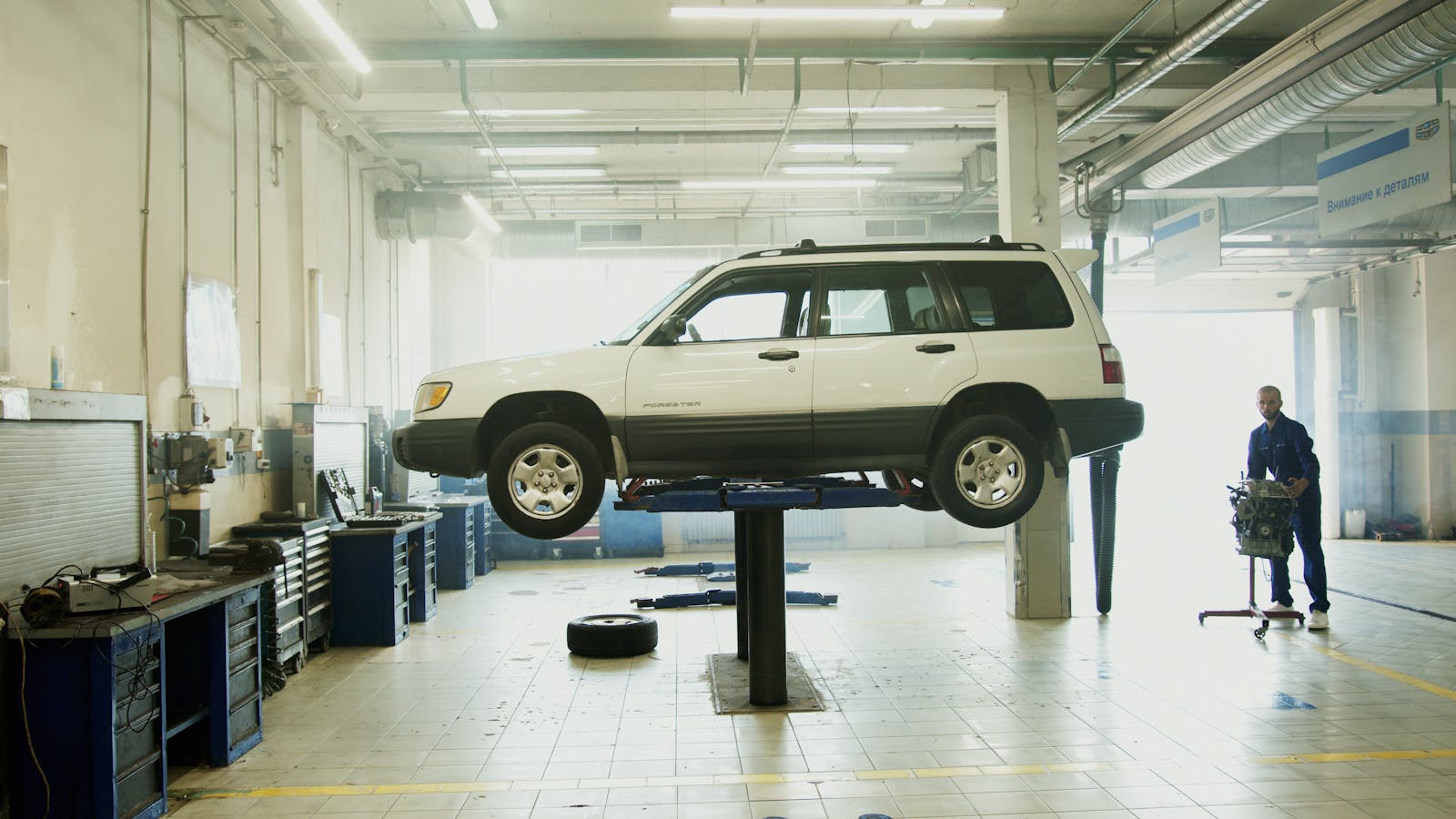
As automakers face unprecedented recall backlogs, vehicle owners are left wondering how long they will have to wait for necessary parts and repairs. Recent data indicates that over 15 million vehicles have been recalled in the United States in the past year alone, with many owners experiencing delays ranging from weeks to several months for parts availability.
The Scale of the Problem
According to the National Highway Traffic Safety Administration (NHTSA), the automotive recall crisis has intensified due to various factors, including supply chain disruptions, labor shortages, and the ongoing effects of the COVID-19 pandemic. In particular, manufacturers are struggling to source essential components like microchips and safety equipment, which are critical for repairs. For instance, the 2021 Toyota RAV4 has been among the top recalled models, affecting over 1 million vehicles due to potential fuel pump failures.
Automakers such as Ford, General Motors, and Honda have reported significant challenges in meeting recall demands. A recent survey showed that 68% of automakers are experiencing delays in parts delivery, with some waiting times extending beyond six months. This backlog not only frustrates vehicle owners but also raises safety concerns as unrepaired vehicles remain on the roads.
What Owners Should Expect
Vehicle owners should be proactive in understanding the specific recalls affecting their cars. The NHTSA provides an online tool where owners can enter their Vehicle Identification Number (VIN) to check for any outstanding recalls. Additionally, automakers often send out notifications via mail or email to inform customers about recalls, including instructions on how to proceed.
Once a recall is confirmed, the next step is to schedule an appointment with a dealership or authorized repair center. However, owners should be prepared for potential delays. Many service centers are prioritizing urgent recalls, meaning that some repairs may not be completed as quickly as expected. Owners of vehicles like the 2019–2022 Subaru Ascent, which is subject to a large recall for a rear seat belt issue, may find that parts are not readily available even after scheduling a service appointment.
Manufacturer Responses and Solutions
In response to the backlog, several automakers are ramping up their efforts to improve parts availability. Ford announced plans to invest $1 billion in its supply chain to enhance logistics and increase the production of critical components. Meanwhile, General Motors is collaborating with suppliers to streamline manufacturing processes, aiming to reduce wait times for recall repairs.
Additionally, some companies are exploring temporary solutions, such as providing rental vehicles or alternative transportation options for affected owners. For example, Hyundai has implemented a program that allows customers to receive complimentary rideshare services while their vehicle is being repaired. This initiative aims to minimize inconvenience and maintain customer satisfaction during lengthy repair processes.
Safety Implications
The safety implications of the recall backlog cannot be overstated. With millions of vehicles still on the road despite known safety issues, the risk of accidents increases significantly. A recent report from the Insurance Institute for Highway Safety (IIHS) highlighted that unrepaired recalled vehicles are involved in approximately 30% of all accidents related to faulty parts. Owners must prioritize having their vehicles repaired as soon as parts become available to ensure their safety and that of others on the road.
Advice for Affected Owners
For vehicle owners caught in the recall backlog, there are several steps to take. First, stay informed about your vehicle’s recall status by regularly checking the NHTSA website and your email for updates from your manufacturer. Second, establish communication with your local dealership to get a better understanding of the expected timeline for repairs. Third, consider other safety measures, such as ensuring that your vehicle is well-maintained and driving cautiously until repairs can be completed.
Conclusion
The ongoing recall backlog represents a significant hurdle for automakers and vehicle owners alike. With over 15 million cars affected and many parts on backorder, it is crucial for owners to remain vigilant and proactive in addressing recall issues. By staying informed and engaged with their manufacturers, owners can help ensure their vehicles are repaired promptly and safely. Don’t wait—check your vehicle’s recall status today and take action to protect yourself and your loved ones on the road.