


The American sedan is facing extinction. Ten sedans are expected to leave the US market in 2026, including the Subaru Legacy, Acura TLX, and both Volvo’s S60 and S90, marking one of the largest die-offs in recent memory. Models like the Nissan Altima and Versa are also rumored to be on the chopping block as SUVs and trucks now make up over 75% of all new vehicle sales in the country.
The shift has left many drivers frustrated. While automakers chase SUV profits, sedan loyalists are losing their preferred options at dealerships. Traditional four-doors accounted for just 18.4% of new vehicle sales in 2024, down from 21.4% the year before, showing how quickly the market is changing.
The trend raises questions about what’s driving automakers to abandon sedans and how both the industry and consumers are responding to this dramatic transformation. Some manufacturers are even reconsidering their strategies as buyers push back against shrinking choices and rising vehicle prices.
Why Automakers Are Dropping Sedans
The decline of sedans stems from a combination of changing buyer behavior and manufacturers making calculated business decisions. Automakers are responding to market data showing consumers gravitating toward larger vehicles while simultaneously seeking higher profit margins from their product lines.
The Shift in Consumer Preferences
American drivers have fundamentally changed what they want from their vehicles. Where families once defaulted to a four-door sedan, they now seek vehicles with higher seating positions and perceived safety advantages.
The numbers tell the story clearly. In 2024, sedans accounted for just 18.4 percent of new vehicle sales, down from 21.4 percent in 2023. Used sedans maintained a stronger 36.9 percent market share, suggesting buyers still value sedans but increasingly turn to the pre-owned market to find them.
Buyers cite several reasons for abandoning sedans. They want more cargo space for family activities and road trips. They prefer the commanding view of the road that elevated seating provides. Many also believe larger vehicles offer better protection in accidents, though crash test data doesn’t always support this perception.
The Rise of SUVs, Crossovers, and Utility Vehicles
SUVs and trucks have dominated American roads in recent years, with SUVs and trucks making up over 75% of all new vehicle sales. This dramatic shift left sedans competing for a shrinking slice of the market.
Acura’s decision to discontinue the TLX illustrates this trend perfectly. The sedan sold just 7,478 units in 2024, while the brand’s RDX SUV moved 42,998 units and the MDX sold 50,112 units. Acura plans to replace the gas-powered TLX with an all-electric RSX SUV at its Marysville, Ohio plant.
Subaru faced similar dynamics with the Legacy. The once-popular mid-size sedan managed fewer than 20,000 sales in 2024, while the Crosstrek SUV saw more than 181,000 units leave dealer lots. After 35 years in production, Subaru confirmed the Legacy wouldn’t return for 2026.
Profitability and Strategic Decisions
Automakers make more money on SUVs and pickup trucks than sedans. The larger vehicles command higher prices and better profit margins, making them more attractive from a business standpoint.
Major automakers like Ford have shifted their focus toward producing more SUVs and trucks, responding directly to market demand. When sedan sales volumes shrink, it becomes difficult for manufacturers to justify continued investment in development and production facilities.
The competitive sedan market created additional challenges. Even when sedans sold well, manufacturers struggled to turn profits. The Acura TLX peaked at just over 47,000 sales in 2015 but still lagged behind rivals at BMW and Mercedes-Benz, never achieving the scale needed for strong profitability.
Consumer preferences created a feedback loop. As automakers invested less in sedan development, the vehicles became less competitive, further accelerating the shift toward SUVs and crossovers.
Impact of Electric Vehicles on Sedan Production
The transition to electric vehicles has complicated the sedan situation further. Several automakers scaled back ambitious EV plans that included new electric sedans, choosing instead to focus their electrification efforts on SUVs and trucks.
The Genesis Electrified G80 appears on the list of sedans potentially leaving the market in 2026. Reports suggest even the gas-powered Genesis G70 may disappear after 2027, indicating luxury brands see limited future demand for sedan body styles.
Acura’s strategy exemplifies this shift. The company is replacing the TLX sedan with the electric RSX SUV, believing it will “better align with the evolving needs of our customers and the changing landscape of the automotive industry.” This decision reflects a broader industry consensus that electric vehicle investments should focus on the segments with strongest consumer demand.
How Drivers and the Industry Are Reacting
The shift away from sedans has created a divide between automakers chasing profit margins and drivers who value the practicality and efficiency of traditional four-door cars. While manufacturers point to consumer preference for SUVs, many sedan enthusiasts question whether the industry is abandoning loyal customers who still want fuel-efficient, affordable options.
Disappointed Drivers and the Nostalgia Factor
Sedan fans have expressed frustration as their favorite models disappear from showrooms. Social media communities and automotive forums are filled with complaints from drivers who grew up with cars like the Honda Accord and Chrysler 300, vehicles that represented reliability and American automotive heritage.
The emotional connection runs deep for many owners. These cars weren’t just transportation—they were part of family memories, first road trips, and daily commutes. When Stellantis and other manufacturers phase out their sedan lineups, they’re not just discontinuing products. They’re ending decades-long relationships with customers who valued these vehicles.
Younger drivers who learned to drive in sedans now find fewer options when shopping for their own cars. The nostalgia factor becomes even stronger when iconic nameplates vanish, leaving gaps in brand lineups that crossovers can’t quite fill for traditionalists.
Comparing Sedans and SUVs: Cargo, Safety, and Efficiency
The debate between sedans and SUVs centers on three main factors that matter to everyday drivers. Fuel efficiency remains a significant advantage for sedans, with many models achieving 30-40 mpg combined compared to most SUVs barely reaching 25 mpg.
Cargo capacity is where SUVs claim victory, offering versatile space with folding rear seats. However, sedan trunks often provide adequate storage for weekly groceries and luggage without the bulkiness. Many drivers don’t actually need the extra space that SUVs provide on a daily basis.
Safety features have become comparable between both categories. Modern sedans include the same advanced driver assistance systems found in SUVs. The perceived safety advantage of sitting higher in an SUV doesn’t necessarily translate to better crash protection, as sedan engineering has evolved significantly.
Fuel economy differences add up over time. A sedan averaging 35 mpg saves drivers hundreds of dollars annually compared to a compact SUV getting 25 mpg, making sedans more economical for budget-conscious buyers.
Iconic Sedans That Are Fading Out
Several legendary nameplates are disappearing from the market going into 2026. The Acura TLX sold just 7,478 units in 2024, down from 16,731 in 2023, prompting the brand to replace it with an electric SUV. The Subaru Legacy, after 35 years in production, won’t return for 2026 as sales dropped below 20,000 units.
American sedans are particularly hard hit. The Chevrolet Malibu is leaving production, and Nissan’s Altima and Versa face uncertain futures. Volvo discontinued both the S60 and S90, while BMW is giving the 8 Series Gran Coupe a final sendoff.
Even the Chrysler 300, a symbol of American luxury sedans with its bold styling and V8 power, has already left dealer lots as Stellantis pivots toward electrification. These departures represent a significant shift in automotive culture.
The Future for American Sedans and Automakers
Sedan popularity continues declining, with sedans accounting for just 18.4 percent of new vehicle sales in 2024, down from 21.4 percent in 2023. SUVs and trucks now represent over 75 percent of the American market, fundamentally changing manufacturer strategies.
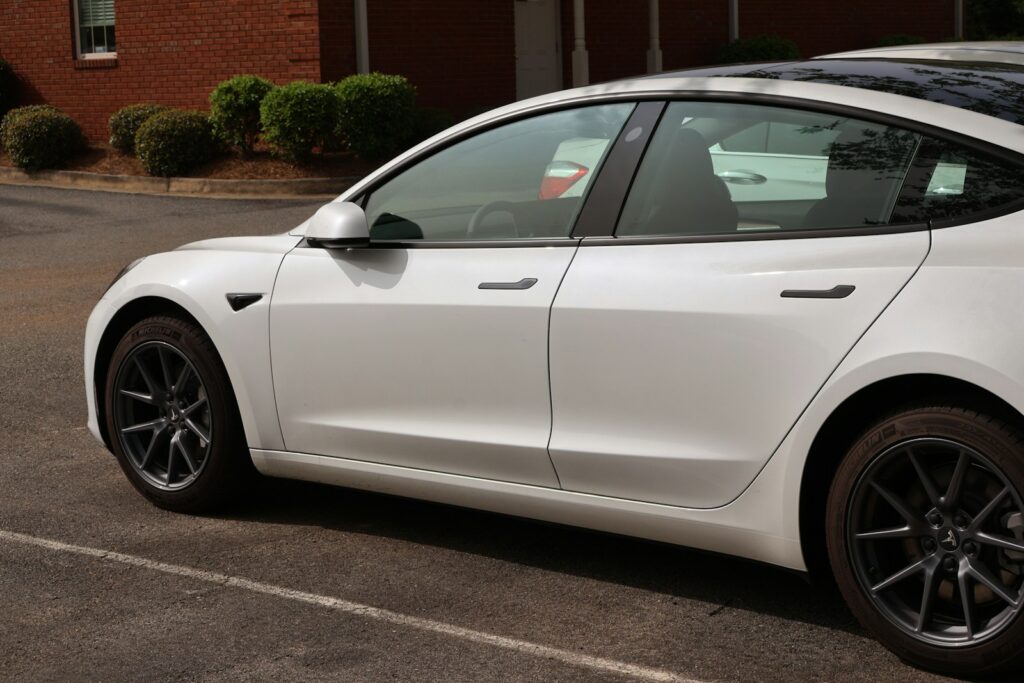
Some automakers are abandoning sedans entirely while others maintain select models. The Honda Accord, Toyota Camry, and Honda Civic continue selling well enough to justify their existence. BMW’s 3 Series and the Tesla Model 3 remain safe for now.
However, reports suggest more cuts are coming. Genesis may drop the G70 after 2027, and several planned electric sedans are being reconsidered as manufacturers scale back EV ambitions. The traditional sedan’s place in American automotive culture appears increasingly uncertain as manufacturers prioritize higher-margin SUVs and crossovers over keeping diverse lineups.
More from Steel Horse Rides: