


Sticker shock does not end at the dealership door. The real hit comes later, when the monthly payment, interest, insurance, fuel, and repairs quietly pile up into a long-term drain on a household budget. Before anyone signs a finance contract for that shiny new ride, it helps to see the full price of owning it over years, not just the number on the window.
Today’s car buyers are juggling record high prices, rising borrowing costs, and a stack of “extras” that are not optional in the real world. The headline promise of easy monthly payments can hide a total cost that rivals a mortgage, especially when the loan stretches out for six or seven years.
The monthly payment trap: price, interest, and time
New vehicles have crept into luxury territory for many mainstream shoppers, with the average car price now more than fifty thousand dollars as described in one recent analysis of how higher prices are squeezing drivers. That kind of number practically guarantees financing, and dealers lean hard on the psychology of “only” a few hundred dollars a month. The trouble is that the average new car payment already sits at $748 per month, and that figure climbed 1.8% year over year into late 2025. When a typical household commits to $748 every month for six or seven years, the car is no longer just transportation, it is one of the biggest fixed bills in the house.
Interest magnifies the damage. Auto loan rates vary widely by credit score, loan term, and whether the car is new or used, but recent data on average auto loan shows that buyers with weaker credit can pay several percentage points more than top tier borrowers. Stretching a $40,000 loan from 48 to 84 months might shave a couple hundred dollars off the monthly payment, yet the longer term keeps interest running for years and can add thousands to the total paid. That is how someone can drive off in a mid priced SUV and, by the time the last payment clears, discover they have effectively bought a luxury model on installment without ever seeing the badge.
Beyond the loan: insurance, fuel, and “hidden” ownership costs
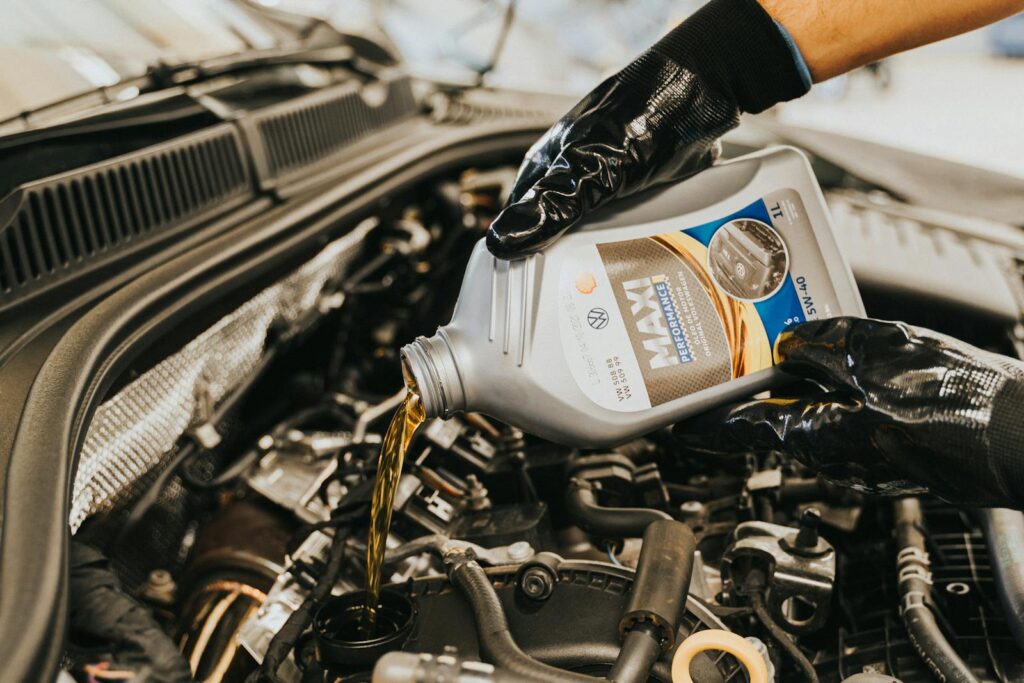
Even a perfectly negotiated loan is only the opening act. Every car needs insurance, and for many drivers, that bill is quietly competing with the payment itself. A nationwide study of ownership expenses found that full coverage policies are the single largest hidden cost, averaging $2,679 per year across the country. That is more than $220 a month just to keep the car legally on the road, before a drop of fuel or a single oil change. For younger drivers or households in high risk ZIP codes, the number can climb even higher, turning insurance into an almost second car payment.
Fuel, maintenance, and repairs quietly round out the real bill. Data on the average cost of shows how price, loan term, and ongoing expenses combine to shape what a vehicle truly costs over its life. A commuter putting 15,000 miles a year on a compact sedan will see a very different fuel budget than someone driving a full size pickup, yet both still face routine items like tires, brakes, and scheduled services that can run into the hundreds or thousands. When those periodic hits land on top of a steep loan and high insurance, the total annual outlay can approach the level of a small business expense rather than a personal convenience.
How to keep a car from hijacking the household budget
For buyers who still need a vehicle, the goal is not to swear off financing entirely but to keep the long term hit in line with real income. One starting point is to ignore the monthly payment pitch and instead set a firm cap on the total amount financed, then work backward from there. If a household can comfortably handle $550 a month, choosing a shorter term, even if it means a slightly cheaper car, will usually save more in interest than stretching to a pricier model on a longer loan. Shoppers who pay attention to rate differences by term and credit tier can also see how much they gain by improving a credit score before walking into the dealership.
Vehicle choice matters just as much as the financing terms. That average car price north of fifty thousand dollars did not appear out of nowhere; it reflects a market full of large SUVs, trucks, and loaded trims that keep nudging shoppers upward. Analysts have pointed out how these higher prices feed directly into bigger loans and payments, which in turn strain budgets as the country heads toward the 2026 midterms and debates about affordability intensify around President Trump and his promise to bring costs down for everyday Americans, a tension highlighted in one recent discussion of car prices. Opting for a slightly older model year, a smaller body style, or a lower trim can cut thousands from the purchase price, shrink the loan, reduce insurance, and even trim fuel costs.
More from Wilder Media Group: