
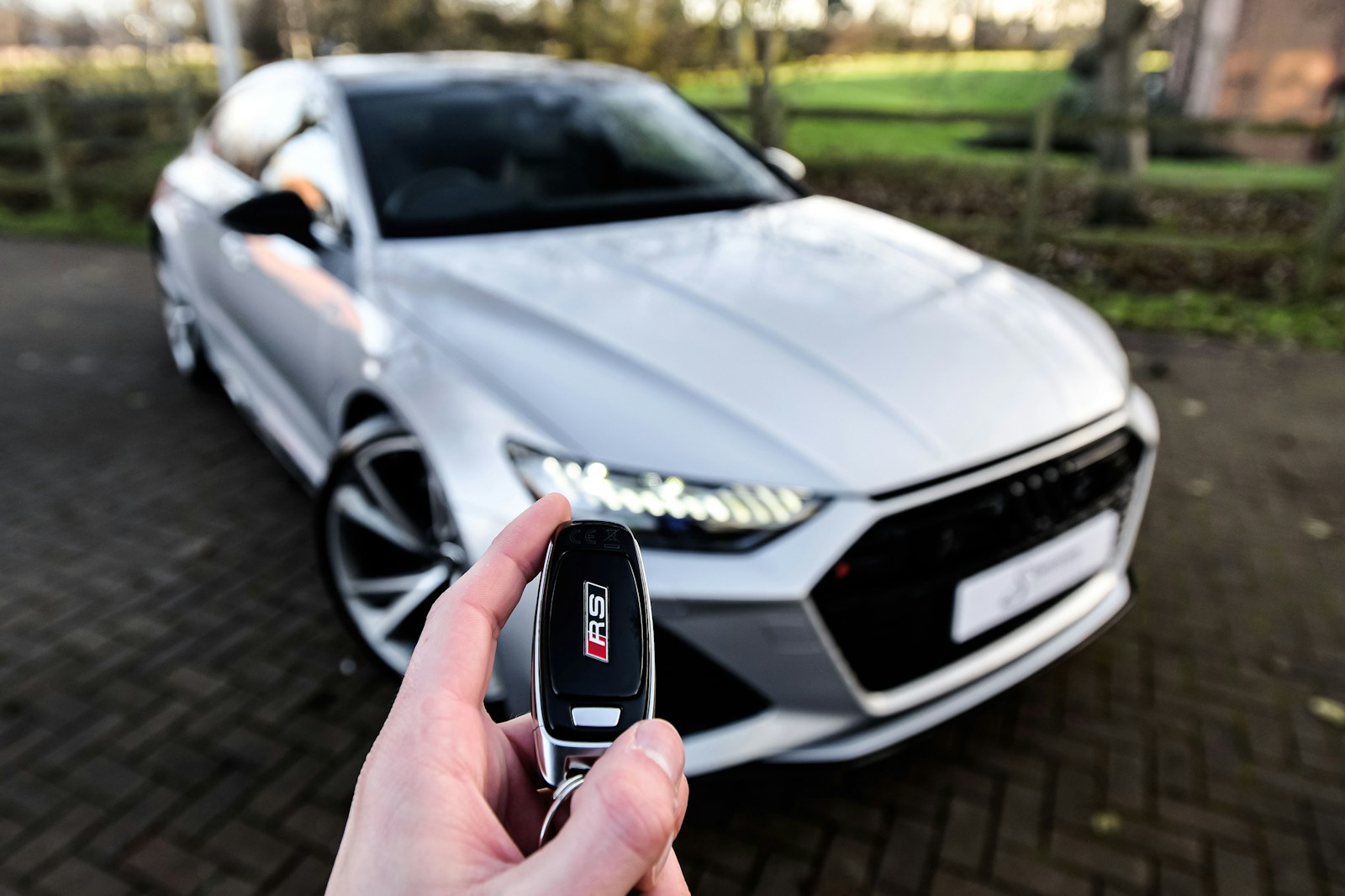

The Real Cost of Owning a Car in 2026 Goes Far Beyond the Monthly Payment
A $748 monthly car payment sounds manageable until the insurance bill, fuel costs, maintenance invoices, and registration fees start landing in the same bank account. For millions of American drivers, the gap between what they thought they’d spend and what they actually spend on a vehicle is hundreds of dollars a month, and it is reshaping household budgets nationwide.
According to NerdWallet’s analysis of car ownership costs, the average new-car payment of $748 per month balloons to roughly $965 when insurance, fuel, maintenance, and taxes are included. That $217 monthly difference adds up to more than $2,600 a year that many buyers never planned for when they signed at the dealership.
A separate Bankrate study on hidden ownership costs puts the figure even more starkly: the average American driver absorbs about $6,894 per year in expenses beyond the loan payment itself, including registration, repairs, and state vehicle taxes. That works out to roughly $575 a month that never appears on the financing paperwork.
“People budget for the payment and forget about everything else,” said Ivan Drury, director of insights at Edmunds, in a 2025 press release. That disconnect between the payment and the true monthly burden is where financial trouble starts.
Insurance is the biggest surprise for new car buyers
Of all the costs that follow a buyer home from the dealership, insurance tends to deliver the sharpest sticker shock. The average annual U.S. car insurance premium reached $2,697 as of 2025, according to MarketWatch’s reporting on industry data. For younger drivers, owners of newer SUVs and trucks, or anyone living in a high-rate ZIP code, that number can climb well past $3,000.
The type of vehicle matters enormously. A 2024 Subaru Crosstrek and a 2024 Subaru WRX may sit on the same dealership lot, but the WRX’s sportier profile and higher horsepower can mean hundreds of dollars more per year in premiums. Buyers who skip the step of getting real insurance quotes before committing to a vehicle often discover this too late.
Fuel and electricity costs, tire replacements, oil changes, parking, and tolls round out the monthly drain. A commuter driving a midsize SUV like a Honda CR-V might spend $150 to $200 a month on gasoline alone at current prices. An EV owner trades that for higher electricity use and, in many cases, steeper insurance premiums, since EV repair costs tend to be higher after collisions.
Then there is the wildcard: major repairs. Brake jobs and tire rotations are predictable. A transmission failure on a seven-year-old SUV is not, and it can wipe out a savings cushion in a single invoice.
Longer loans are keeping payments low but making cars more expensive
To keep monthly payments from crossing psychological thresholds, buyers and lenders have been stretching loan terms further than ever. Six-year loans now account for about 36% of all auto loans, according to data reported by Empower, citing Experian figures. Seven-year terms, once rare, are increasingly common.
The math on longer terms is punishing. Stretching a $40,000 loan from five years to seven at the same interest rate can add thousands of dollars in total interest. Worse, the car’s value drops faster than the loan balance, which means many owners spend years “underwater,” owing more than the vehicle is worth. If the car is totaled or needs to be sold early, that negative equity becomes an immediate out-of-pocket cost.
With the average new vehicle transaction price hovering above $48,000 as of early 2025, according to Kelley Blue Book, many households simply cannot afford a five-year term on a new car without a substantial down payment. The result is a growing population of borrowers locked into six- and seven-year commitments, paying interest on a depreciating asset for most of a decade.
Average auto loan interest rates have compounded the problem. New-car rates have hovered between 6% and 7.5% through much of 2025, according to Bankrate’s rate tracker, a significant jump from the sub-4% rates many buyers locked in during 2021.
A record share of buyers now pay $1,000 or more per month
For a growing number of Americans, even a stretched loan term is not enough to keep payments modest. Edmunds reported that a record one in five new-car buyers committed to a monthly payment of $1,000 or more in the second quarter of 2025. These tend to be buyers of well-equipped trucks and large SUVs, vehicles like a Ford F-150 Lariat or a GMC Yukon, financed over long terms with small down payments.
Layer on the roughly $575 per month in ownership costs beyond the loan, and those households are effectively spending close to $1,500 every month to keep a single vehicle on the road. For a two-car family, the combined transportation bill can rival a mortgage payment.
Some buyers try to sidestep the problem by shopping for used vehicles, but relief there has been limited. Used car prices remain elevated compared to pre-pandemic levels, and three-year-old models that once offered significant savings now carry price tags that push buyers into long loan terms as well. The risk compounds: a longer loan on an older car increases the chance of facing major repair bills before the loan is paid off.
| Expense category | Estimated monthly cost |
|---|---|
| Average new-car loan payment | $748 |
| Insurance | $225 |
| Fuel or electricity | $150 – $200 |
| Maintenance and repairs | $100 – $150 |
| Registration, taxes, fees | $50 – $75 |
| Estimated all-in monthly cost | $965+ |
How to calculate the true cost before signing anything
Buyers who avoid payment shock tend to do their math before visiting a dealership, not after. The process does not require a finance degree, but it does require honesty about what a vehicle will actually cost each month.
Start with fuel. The U.S. Department of Energy’s fueleconomy.gov comparison tool lets shoppers plug in specific models and see estimated annual fuel costs side by side. The difference between a Toyota Camry Hybrid and a Jeep Grand Cherokee can be $1,000 or more per year in fuel alone.
Get real insurance quotes. Before committing to a specific vehicle, request quotes from at least two or three insurers for the exact make, model, and trim. Online quote tools from major carriers take minutes and can reveal that a vehicle you thought was affordable carries a premium that blows your budget.
Favor shorter loan terms. A five-year loan on a $30,000 used Honda Civic at 6% interest will cost roughly $1,800 less in total interest than a seven-year loan at the same rate, and the owner reaches payment freedom two full years sooner. Financial guidance from sources like CBS News, citing Edmunds, consistently stresses negotiating the vehicle price first, then the financing terms, and declining add-ons that quietly inflate the financed amount.
Use a total-cost budget rule. Many financial planners suggest capping the car payment at no more than 10% of monthly take-home pay and keeping all vehicle-related costs under 15%. For a household bringing home $5,000 a month, that means a payment under $500 and total car costs under $750.
The traps that inflate what you pay over the life of the loan
Certain patterns show up repeatedly among buyers who end up financially squeezed by their vehicles.
Negotiating on payment instead of price. Dealerships know that if they can hit a buyer’s target monthly number, many shoppers will not scrutinize the interest rate, loan length, or total financed amount. A $400 payment over seven years costs far more than a $500 payment over four.
Rolling negative equity into a new loan. A driver who owes $5,000 more than their current car is worth might be tempted to fold that balance into the next loan. That move makes the new vehicle instantly more expensive and deepens the underwater cycle.
Ignoring the small recurring costs. Monthly parking at a downtown garage, premium fuel for a turbocharged engine, a couple of toll charges per week: individually, these feel minor. Together, they can add $200 to $400 a month on top of the loan payment, insurance, and maintenance that are already stretching the budget.
Treating a car like a subscription changes the math
The buyers who stay ahead of the cost curve tend to think of vehicle ownership not as a one-time purchase but as an ongoing monthly obligation closer to $965 than $748. Building that realistic number into a household budget from the start changes decisions in useful ways.
It steers shoppers toward slightly less expensive trims. It makes saving for a meaningful down payment feel urgent rather than optional. It turns a five-year loan into a deliberate ceiling rather than an inconvenience. And it encourages holding onto a vehicle for a few years after the loan is paid off, which creates a stretch of payment-free driving that offsets the expensive early years of ownership.
None of this means a car has to be a source of financial stress. It means the real price is not the one on the window sticker. It is the one that shows up, month after month, for years after the keys are handed over.
More from Wilder Media Group: