
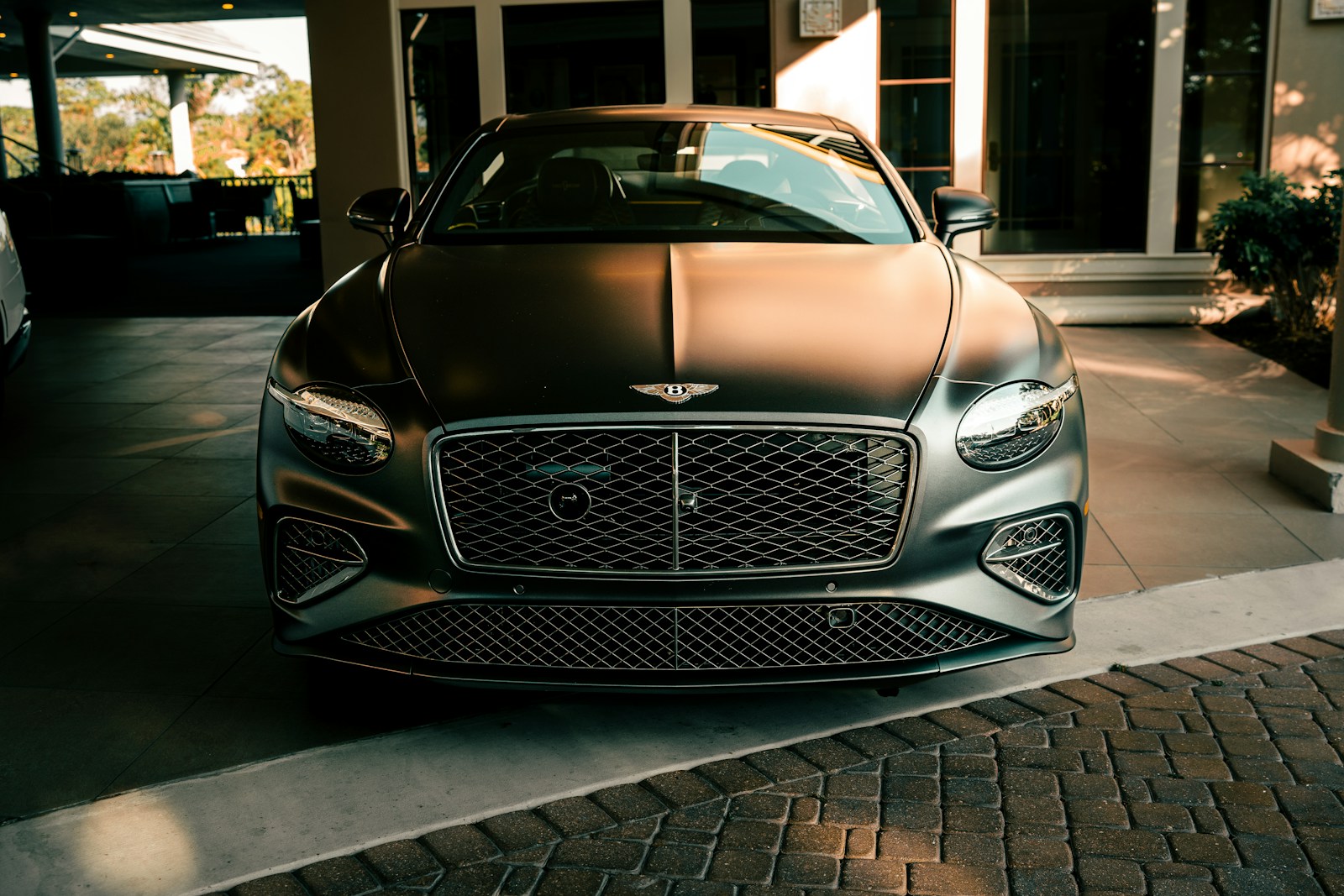

A full-size Bentley sedan has no business being this fast. The Flying Spur weighs nearly 5,500 pounds, stretches over 17 feet long, and wraps its occupants in enough leather and wood to furnish a small yacht. Yet in Speed trim, it rockets to 60 mph in about 3.6 seconds and tops out at 207 mph, figures that would embarrass most sports cars. In the newer plug-in hybrid configuration, it manages 3.3 seconds to 60 while offering up to 47 miles of electric-only range, according to Bentley’s own published specs. That combination of brute force and silent cruising is the clearest sign yet that Bentley’s flagship sedan has entered a new phase.
As of early 2026, the Flying Spur lineup sits at a crossroads. The legendary W12 engine is gone, retired as part of Bentley’s commitment to launch its first fully electric car by 2026 and electrify its entire range by 2030. In its place, a 4.0-liter twin-turbocharged V8 powers the Speed variant, producing 626 horsepower and 664 lb-ft of torque. The hybrid pairs a 2.9-liter twin-turbo V6 with an electric motor for a combined 771 horsepower, making it the most powerful Flying Spur ever built. Losing twelve cylinders stung purists, but the replacements are not consolation prizes. They are genuine upgrades in nearly every measurable way.
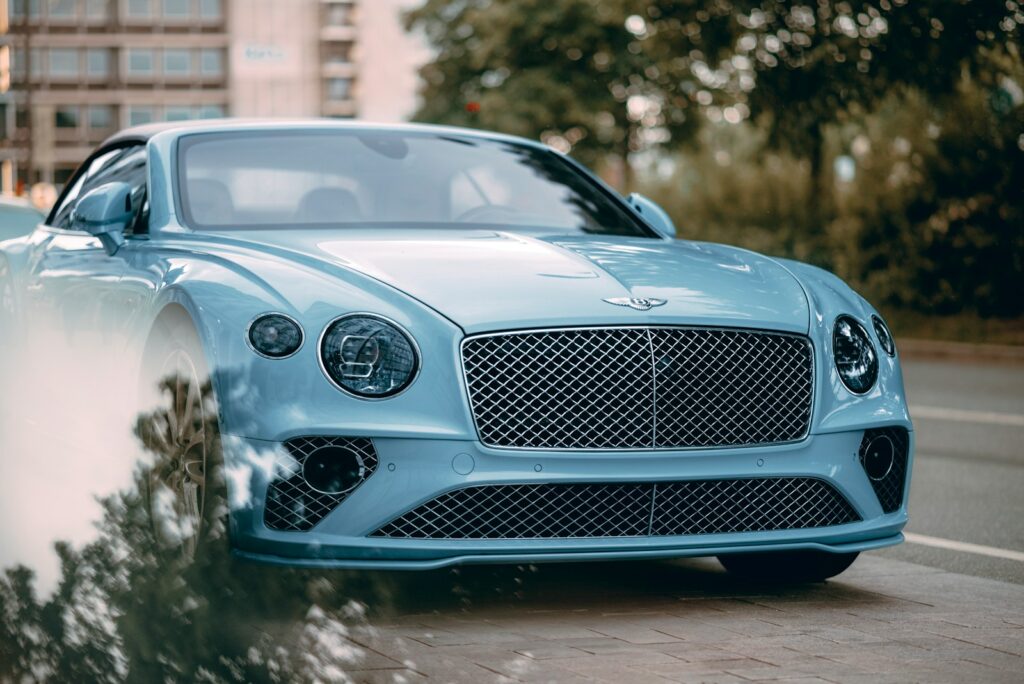
Big sedan, bigger performance
The Flying Spur Speed does something that physics should probably prevent. Despite its size, it changes direction with a composure that The Drive’s first-drive review describes as belonging to a car half its weight. Bentley’s 48-volt active anti-roll system, rear-wheel steering, and continuously adaptive air suspension work in concert to keep the body flat through corners while still delivering the plush ride expected at this price point.
The V8’s power delivery is immediate but never crude. Floor the throttle from a standstill and the all-wheel-drive system hooks up without drama, shoving the car forward with a deep, mechanical bark that the old W12 never quite managed. MotorTrend’s assessment calls the current car “a dynamic masterpiece in its own right,” a verdict based not just on straight-line speed but on how the chassis, steering, and drivetrain communicate with the driver. For a sedan that prioritizes rear-seat comfort, the level of feedback through the wheel is genuinely surprising.
The hybrid tells a different story with the same ending. Its V6 and electric motor produce peak torque almost instantly, and the extra weight of the battery pack (mounted low in the floor) actually lowers the center of gravity. Around town, the car glides in near-silence on electric power alone. On an open highway, the combined powertrain delivers a surge that pins passengers into seats Bentley spent hundreds of hours stitching by hand.
Speed without sacrificing manners
Plenty of powerful sedans feel unsettled at high speed or punishing over broken pavement. The Flying Spur does neither. Bentley’s three-chamber air springs adjust firmness continuously, and the active anti-roll bars can stiffen or soften each axle independently in milliseconds. The result, as Edmunds notes, is “stunning acceleration and handling performance for its size” paired with a ride that stays composed whether the driver is pressing hard or simply covering miles.
Sound insulation plays a big role. Bentley uses acoustic laminated glass on every window, extensive underbody shielding, and active noise cancellation to keep the cabin library-quiet at cruising speed. Push the car harder and the exhaust note filters in just enough to remind occupants that a twin-turbo engine is working behind the firewall, but road and wind noise stay remarkably absent. It is a car that rewards aggression without punishing passengers for the driver’s enthusiasm.
The hybrid adds another layer to this equation. In electric mode, the Flying Spur becomes one of the quietest luxury sedans on sale, with no engine vibration at all. Bentley claims 47 miles of electric range on the WLTP cycle, which in real-world driving translates to enough battery for most daily commutes and short errands without burning a drop of fuel. For a car in this class, that is a meaningful shift.
An interior built by hand, not by committee
Open any door and the Flying Spur makes its strongest argument. Bentley’s Crewe factory assigns individual craftspeople to each car’s interior, and the results are visible in every surface. The dashboard features a rotating display that can show a 12.3-inch touchscreen, three analog dials, or a clean panel of wood veneer, depending on the driver’s preference. It is one of the few pieces of automotive theater that actually serves a functional purpose, letting owners hide the screen entirely when they want a cleaner aesthetic.
Rear-seat passengers get the full first-class treatment. Available options include reclining seats with calf rests, individual climate zones, fold-out tables finished in the same wood as the dashboard, and a refrigerated bottle cooler in the center console. Edmunds highlights the “exquisitely detailed and crafted cabin” and “endless combinations” of personalization, from diamond-quilted stitching patterns to open-pore wood inlays and contrast piping. Bentley says it offers billions of possible specification combinations, and while that number is partly marketing, the breadth of choices is genuinely staggering when working through the configurator.
Massage seats, ambient lighting with adjustable color, and a Naim audio system with up to 2,200 watts round out a cabin that treats long drives as occasions rather than obligations.
Four trims, four personalities
Bentley structures the Flying Spur range around distinct characters rather than a simple good-better-best hierarchy. The standard car establishes the baseline, which already includes the adaptive air suspension, all-wheel drive, and a cabin trimmed in leather and real wood. From there, the lineup branches.
The Speed trim is the performance flagship: firmer suspension tuning, a more aggressive exhaust note, dark-tinted exterior trim, and recalibrated steering. The Azure trim moves in the opposite direction, emphasizing wellness with softer ride settings, extended rear-seat comfort features, and a specification philosophy built around relaxation. The Mulliner variant sits at the top as the most bespoke option, offering exclusive paint finishes, unique interior trims, and handcrafted details that push further into coachbuilding territory.
The important thing is that every trim shares the same fundamental platform and powertrain options. Choosing Azure over Speed does not mean giving up serious performance. It means the car’s default behavior leans toward comfort, with the full capability still accessible when the driver wants it.
How it stacks up against rivals
The Flying Spur competes in one of the smallest and most scrutinized segments in the car industry. Its most direct rival is the Rolls-Royce Ghost, which starts around $340,000 and takes a more deliberately isolated approach to driving. The Ghost is quieter and more detached by design; Bentley’s counter-argument is that the Flying Spur gives the driver more reason to stay behind the wheel rather than hand the keys to a chauffeur.
The Mercedes-Maybach S 680 offers a twin-turbo V12 and a rear cabin that rivals the Bentley’s for comfort, typically at a lower price point (starting around $230,000). It lacks the Flying Spur’s sporting edge but compensates with Mercedes’ extensive dealer network and technology ecosystem. Further afield, the BMW Alpina B7 and top-spec Porsche Panamera Turbo offer performance-focused alternatives, though neither matches the Bentley’s handcrafted interior or sheer presence.
Pricing for the 2025 Flying Spur starts at approximately $276,450 including destination, according to The Drive’s first-drive report. A well-optioned Speed or hybrid can climb past $330,000 with bespoke interior selections and wheel packages. That is serious money, but it buys a level of personalization and craftsmanship that mass-produced competitors cannot replicate.
Comfort that keeps up with the powerWhat separates the Flying Spur from fast sedans further down the price ladder is how completely it insulates passengers from the mechanical effort happening underneath. The adaptive air suspension reads the road surface and adjusts damping in real time. Active all-wheel drive shifts torque between axles depending on grip and driver input. And the cabin’s sound deadening is so effective that Bentley describes the experience as “power with poise,” a phrase that neatly captures the car’s ability to deliver strong acceleration while remaining firmly in control.
For rear-seat passengers, the experience is closer to a first-class airline cabin than a car. Generous legroom, available heated and ventilated seats with massage functions, and individual climate controls mean that long highway stints pass without fatigue. The optional rear-seat entertainment screens and Wi-Fi hotspot turn the back of the car into a mobile office, which is exactly how many Flying Spur owners use it during the week before driving it themselves on weekends.
The sweet spot of modern Bentley
The Flying Spur has always occupied a unique position: more driver-focused than a Rolls-Royce, more luxurious than a Porsche, and more powerful than a Maybach. In its current generation, with the V8 Speed and the plug-in hybrid expanding the range in opposite directions, that positioning is sharper than ever.
Bentley’s electrification roadmap means this generation of combustion-powered Flying Spur will likely be the last. The brand has confirmed that a fully electric model is coming, and the hybrid already hints at what that future looks like: instant torque, silent cruising, and a driving experience that loses nothing in the transition from fuel to electrons. For now, though, the 2025 Flying Spur stands as one of the most complete luxury sedans ever built, a car that refuses to compromise on speed, comfort, or craftsmanship, and somehow delivers all three without breaking a sweat.
More from Wilder Media Group: