
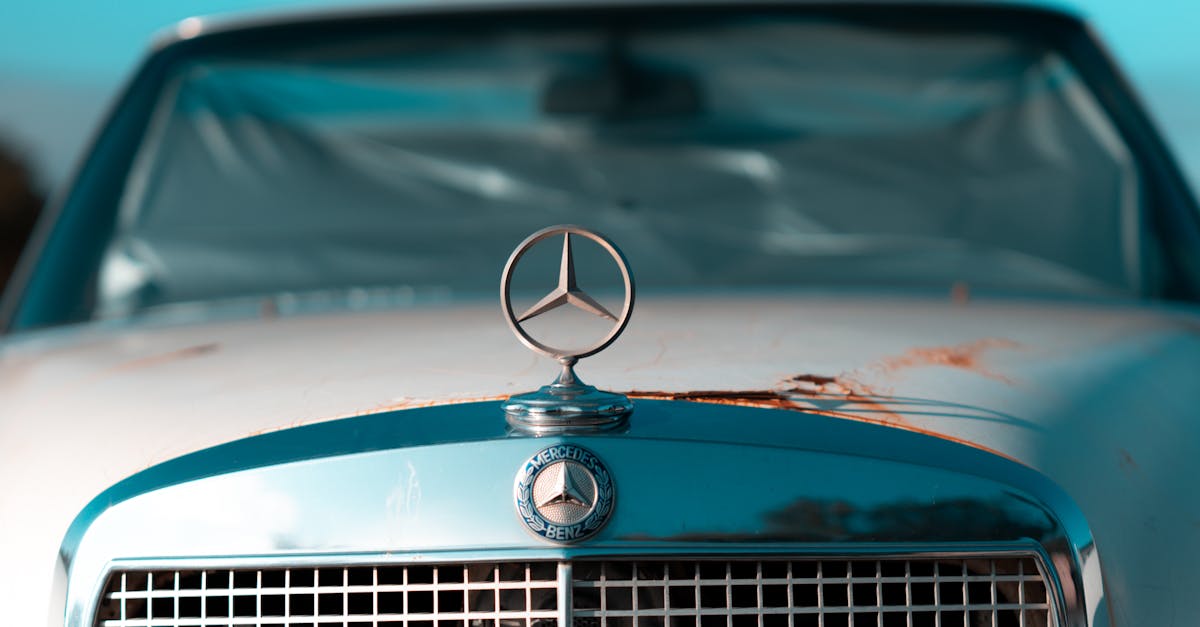


The resurgence of interest in vintage cars from the 1960s and 1970s, largely fueled by Baby Boomers, is significantly driving up prices in the collector car market. This demographic, now in their 60s and 70s, is increasingly investing in classic vehicles that resonate with their youth, pushing average prices to unprecedented heights. As a result, this trend is reshaping the automotive collectible landscape and impacting younger generations’ access to these iconic models.
Market Trends and Price Surges
According to recent data from Hagerty, a leading insurance provider specializing in classic cars, the value of vintage vehicles has skyrocketed over the past three years. In particular, the prices of classic American muscle cars, such as the 1970 Ford Mustang and the 1970 Chevrolet Camaro, have seen appreciation rates of over 20% annually. This surge can be attributed not only to nostalgia but also to a growing community of collectors who view vintage cars as investments.
In 2023, the average price for a classic car reached around $30,000, a significant increase from $25,000 just two years prior. Notably, pristine examples of the 1969 Dodge Charger are now fetching upwards of $50,000 at auctions, a price point that was nearly unheard of just a few years back. Furthermore, models like the 1971 Plymouth Barracuda have seen their values double, reflecting a robust demand among affluent collectors.
The Influence of Baby Boomers
Baby Boomers are not merely buying these vehicles for personal enjoyment; they view them as a way to relive their youth and connect with cherished memories. This emotional attachment often leads to bidding wars at auctions, further inflating prices. A recent survey conducted by ClassicCars.com revealed that nearly 60% of Boomers expressed a desire to purchase a classic car, citing nostalgia as their primary motivation.
Additionally, the trend has been accelerated by social media platforms where enthusiasts showcase their collections, further stoking interest among potential buyers. Influencers and car enthusiasts on platforms like Instagram and TikTok are sharing stories and features of vintage cars, enticing younger audiences to join the hobby. However, as Boomers continue to dominate the market, younger collectors may struggle to find affordable options.
Impact on Younger Generations
The escalating prices of vintage vehicles pose a challenge for younger generations interested in car culture. Millennials and Gen Z, who are increasingly drawn to classic cars as a form of personal expression, find themselves priced out of the market. The average income for these younger demographics has not kept pace with the increases in classic car values, making it difficult for them to invest in their dream vehicles.
Moreover, the rising costs are leading to a shift in the types of cars younger collectors are targeting. Many are now focusing on less iconic models or those from the late 1980s and early 1990s, which are often more affordable. For instance, while a 1970 Chevrolet Corvette may command a price of $70,000, a 1985 model can be found for around $15,000, allowing younger buyers to still participate in the classic car market.
Concerns Over Market Sustainability
Experts in the collector car industry are beginning to voice concerns about the sustainability of this price surge. As Baby Boomers age, there is uncertainty regarding the long-term demand for classic cars. If a significant number of these vehicles flood the market as Boomers downsize or pass away, it could lead to a potential decrease in prices, impacting those who have invested heavily in their collections. Furthermore, a decline in interest among younger buyers could exacerbate this situation.
Classic car dealers and auction houses are also adapting to these trends by offering financing options and educational resources aimed at younger buyers. They recognize the need to cultivate a new generation of enthusiasts who can sustain the market in the future. Events focusing on the history and restoration of vintage cars are becoming more common, aimed at bridging the gap between generations.
Conclusion: A Call to Action for Future Collectors
The vintage car market is at a crossroads, driven by the nostalgia of Baby Boomers and the challenges faced by younger collectors. As prices continue to rise, it is crucial for aspiring collectors to educate themselves about the market and consider alternative options that fit their budgets. Engaging with online communities, attending local car shows, and exploring less popular models can open doors to the world of classic cars without the hefty price tag.