
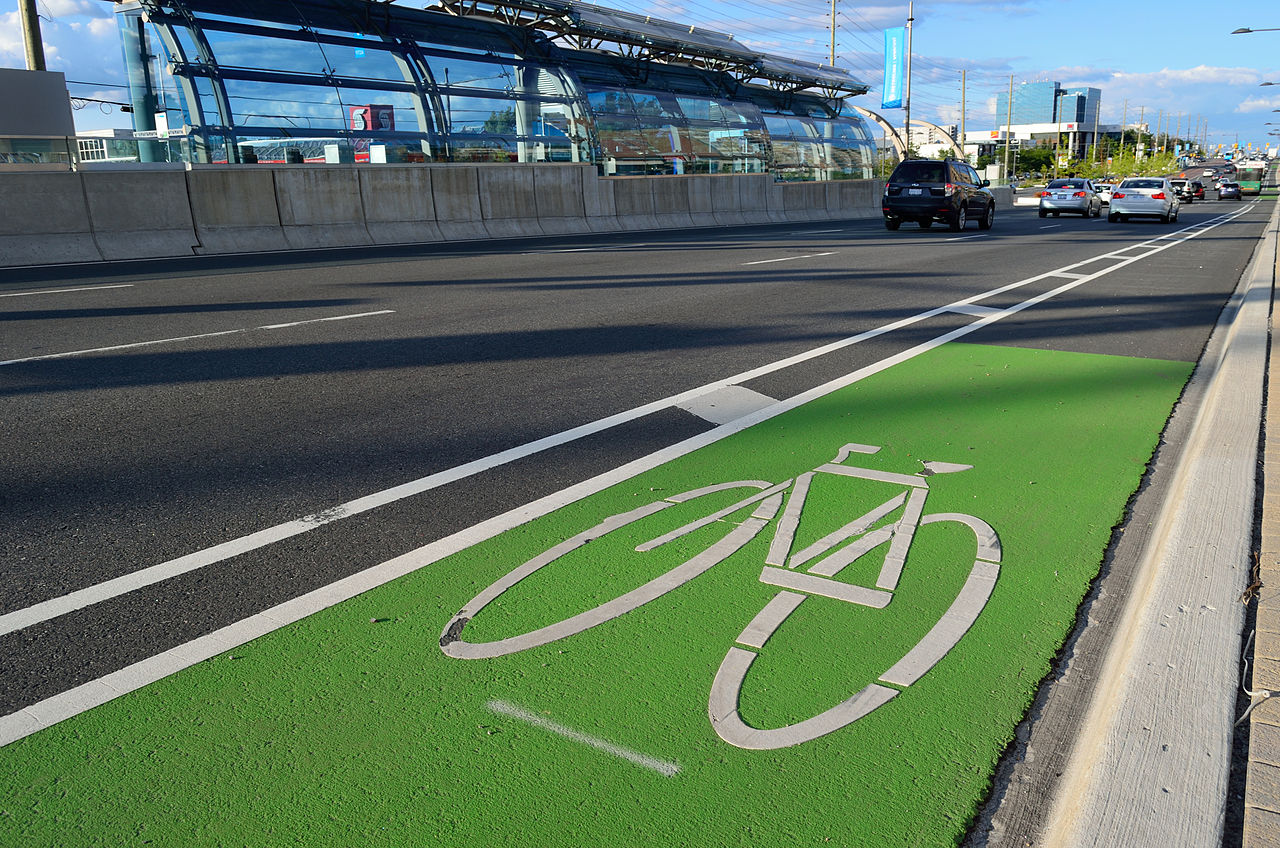

You’ll notice bright green traffic lanes popping up on streets and highways, and they change how people share the road with bikes and buses. They mark spaces where cyclists and other vulnerable users get priority and signal drivers to slow down, give space, and follow new turning and merging rules.
The shift isn’t just paint — it reflects efforts to improve safety and clarity where bike traffic concentrates. Expect practical tips later on for recognizing green lanes, when to yield, and how to avoid common mistakes around them.
Why Bright Green Traffic Lanes Are Showing Up Everywhere
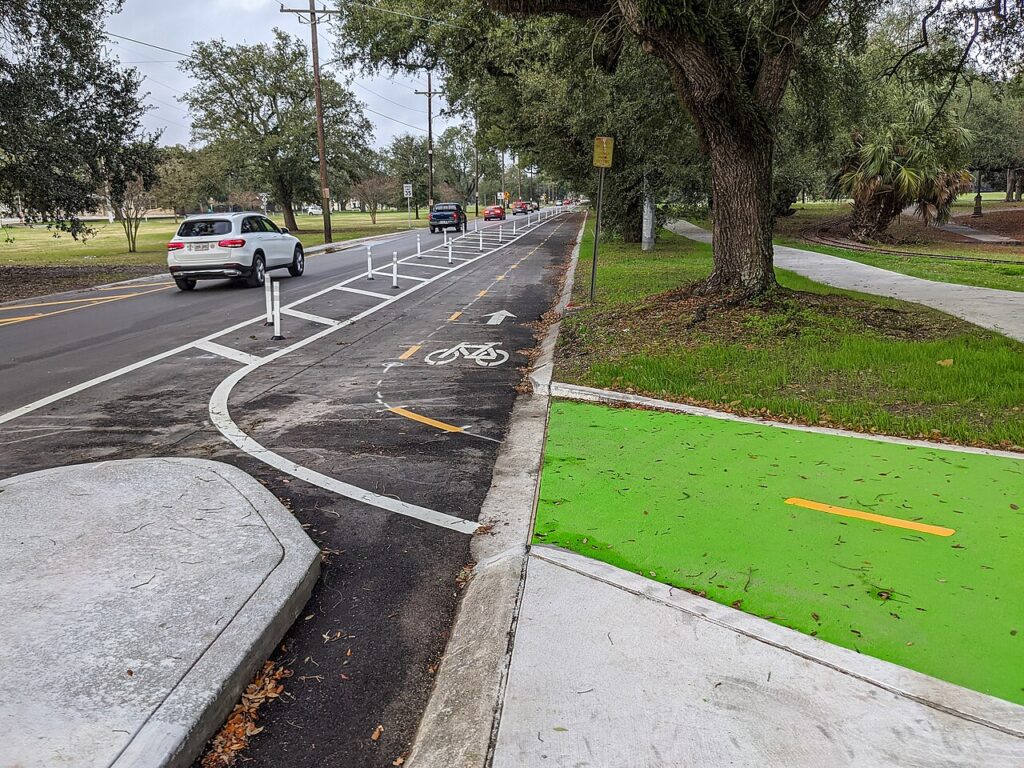
Cities add bright green lanes to make specific road uses obvious and to direct motorists’ attention to places where cyclists, buses, or other users mix with cars. Agencies aim to reduce conflicts at intersections and along busy arterials by using a high-contrast color that drivers notice sooner than plain paint.
The Purpose Behind Bright Green Lanes
Transportation departments, including many state DOTs and local departments of transportation, deploy green pavement primarily to mark dedicated bicycle lanes and high-conflict areas. The color signals a reserved space and clarifies right-of-way where turning vehicles and cyclists cross paths.
Municipal planners choose green in places with high cyclist volume, near transit stops, or on approaches to intersections to improve predictability. The Federal Highway Administration has provided guidance for using colored pavement, so agencies follow standardized layouts and placement to keep rules consistent across jurisdictions.
Key aims: reduce lane ambiguity, guide cyclist positioning, and make enforcement of bike or bus lanes simpler for police and parking control.
Safety Benefits for Cyclists and Drivers
Bright green lanes increase visibility and lower crash risk by creating a clear visual buffer between people on bikes and motor vehicles. Studies and traffic guidance show that colored pavement helps drivers identify where cyclists will be and encourages them to slow or change lane position earlier.
Green lanes also reduce wrong-way riding and mid-block conflicts by channeling bicyclists into predictable lines through intersections. They assist emergency responders and traffic engineers in spotting risky locations and measuring compliance. Agencies use green lanes as one of several road safety tools alongside signage, protected bike infrastructure, and updated signal timing.
How These Lanes Differ From Traditional Road Markings
Unlike standard white or yellow lines, bright green pavement covers a swath of the lane or intersection approach, not just a thin border. That surface treatment functions as a zone marker rather than only a divider, so it communicates use at a glance.
Practically, green lanes often pair with symbols (bike stencils), dashed buffers, or transit markings and may include different maintenance needs and anti-skid surface treatments. They follow FHWA guidance for contrast and placement and are used selectively—on downtown arterials, intersection approaches, and congested corridors—rather than as a universal replacement for conventional lane striping.
New Driving Rules for Navigating Green Lanes
Drivers must yield more often, watch for bike-priority markings, and obey new lane-use signals. They should adjust lane position earlier, check mirrors before crossing a green-marked area, and treat bright green paint as a change in right-of-way priority.
What Drivers Must Do Differently
Drivers must not rely on old assumptions about lane placement. When approaching a green lane, they should slow earlier than usual, scan for cyclists, and signal at least 100 feet before changing lanes or turning. In many jurisdictions crossing a solid white line into a bike lane is illegal except to enter a driveway; drivers must respect those lines and avoid encroaching on painted green areas that give bicyclists priority.
At intersections, drivers must stop behind advanced stop lines or bike boxes to prevent blocking crosswalks. When turning right, drivers should yield to cyclists in green lanes and merge only when the lane is clear. Reversible or shared-lane markings require extra attention during peak hours because lane direction or priority can change with lane-use control signals.
Understanding Lane Signals and Traffic Lights
Traffic lights and lane-use control signals work together to manage conflicts between cars and bikes. A solid green traffic light still means go, but drivers must yield to any bicyclist already in the green lane or bike box. A green arrow indicates a protected turn; drivers may turn without yielding to oncoming traffic but still must yield to bicyclists crossing with their right-of-way.
Flashing yellow arrow and flashing yellow light indications require drivers to proceed with caution and yield. A flashing red light means stop and treat it like a stop sign. Adaptive traffic lights and dynamic lane signals (green arrows, red X, yellow X) can change lane status in real time; drivers should obey the current lane-use control signal rather than relying on paint alone.
Shared Lanes vs. Protected Bike Lanes
Shared lanes use dashed green paint or “sharrows” to highlight mixing zones where drivers and cyclists cross paths. In these areas, drivers should give at least three feet when passing where law requires it, slow when turning across the dashed green zone, and expect cyclists to use the lane.
Protected bike lanes feature continuous green pavement separated by curb, bollards, or painted buffers. Drivers may only enter a protected lane where signage and dashed transitions allow it, typically to access a driveway or make a legal turn. At intersections with bike boxes or dedicated bike signals, drivers must stop behind the motor vehicle stop line and obey any specific bike signal phases before proceeding.
More from Steel Horse Rides: