Buying a Used Car? Six Things Smart Drivers Always Check First
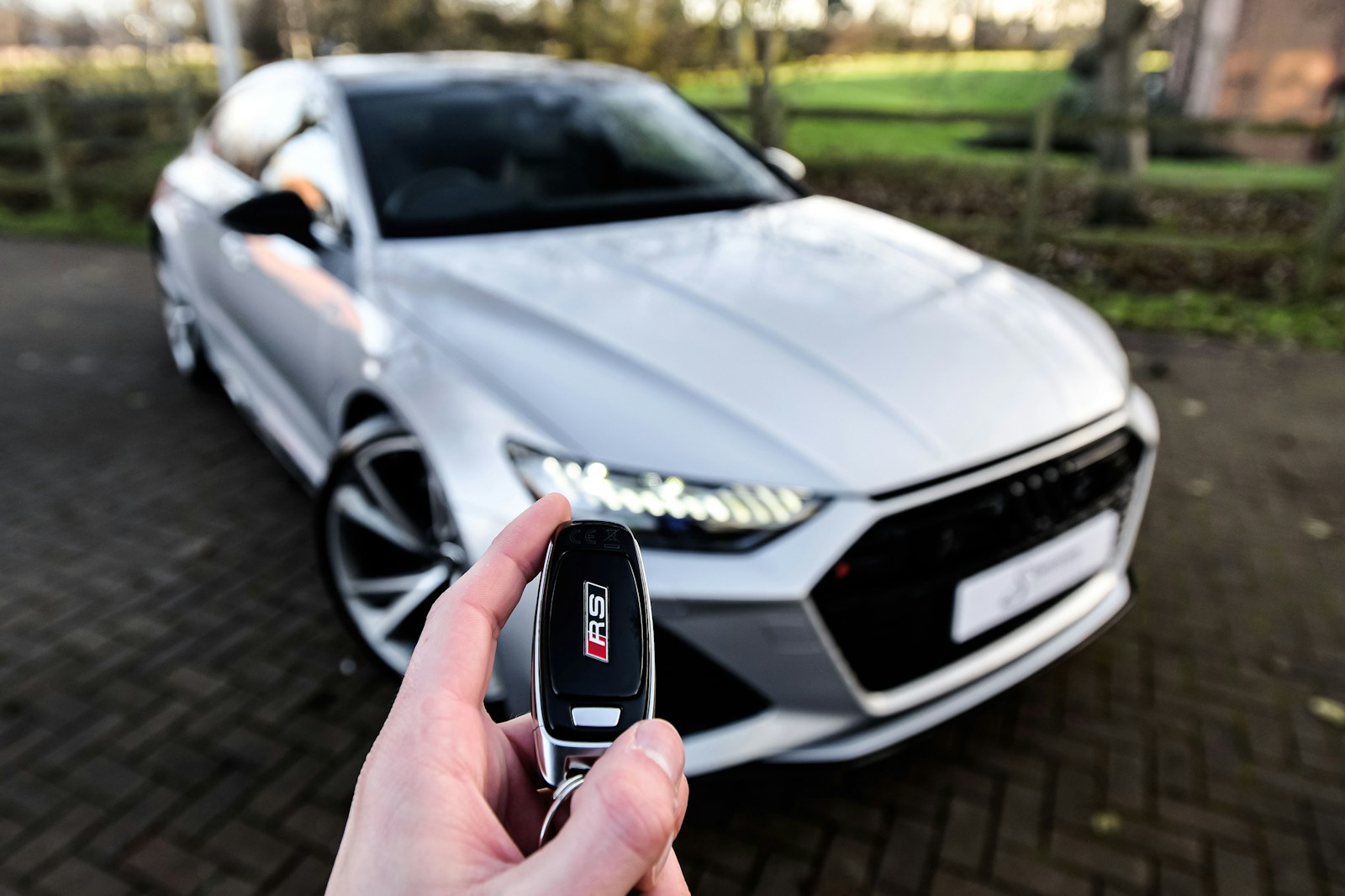
Photo by Swansway Motor Group
Madison Cates
A used car can save you thousands over buying new, but every one comes with a past. The difference between a great deal and a money pit often comes down to what you check before you sign. Buyers who treat the process like an investigation, not a shopping trip, consistently walk away with better cars at better prices.
These six checks are the ones seasoned buyers and mechanics say matter most. Each is straightforward enough for a first-time shopper, yet thorough enough to catch problems that could cost thousands down the road.
Photo by Gustavo Fring
1. Pull the vehicle history report before you visit
Before you look at the paint or kick the tires, run the VIN through a vehicle history report (VHR). Services like Carfax and AutoCheck compile registration records, insurance claims, accident reports, and odometer readings into a single document. A VHR can reveal whether a clean-looking sedan actually carries a salvage or flood title, how many owners it has had, and whether the mileage has been tampered with.
According to Kelley Blue Book, a VHR is one of the most important documents in any used car transaction because it gives buyers leverage that a visual inspection alone cannot. You can often scan a VIN with a smartphone app right on the dealer lot.
Watch for branded titles (salvage, rebuilt, flood), inconsistent mileage entries between service visits, and gaps in registration that suggest the car sat idle for extended periods. If a seller discourages you from pulling a report or refuses to share one, treat that reluctance as a red flag on its own.
2. Demand the service records
A vehicle history report tells you what happened to the car. Service records tell you how it was cared for. Ask the seller for maintenance documentation: oil change receipts, brake service invoices, and records of scheduled maintenance like timing belt or transmission fluid changes. Dealer service departments can often print a vehicle’s full history from their system, which is more reliable than handwritten notes.
A high-mileage car with a complete service file frequently outlasts a low-mileage car that was neglected. Regular oil changes, coolant flushes, and brake work done on schedule indicate an owner who followed the manufacturer’s maintenance plan. When those records are missing, you may be inheriting deferred maintenance that only shows up after you have already paid.
Some independent repair shops now report all work to Carfax, which means major services like timing belt replacements or transmission rebuilds can be verified digitally. If a seller claims big-ticket work was done but cannot produce documentation, be skeptical.
3. Inspect for accident and flood damage
Paperwork only tells part of the story. Walk the car slowly in daylight and look for physical evidence of past damage. Mismatched paint between panels, overspray on rubber trim or weatherstripping, and uneven gaps between body panels all suggest collision repair. Get down low and sight along the fenders and doors from different angles; repainted surfaces often have a slightly different texture or sheen.
Flood damage is a particular concern. Carfax estimated in its 2024 flood damage report that more than 451,000 flood-damaged vehicles were on U.S. roads, many with clean titles because they were moved across state lines after storms. Check the wheel wells and underbody for dried mud, silt, or unusual rust. Inside, look for water stains on seat-rail bolts, a musty odor, or brand-new carpeting in an otherwise worn interior.
If you can safely get underneath the car, inspect the frame rails and suspension mounting points. Crumpled metal, fresh undercoating applied to hide repairs, or uneven welds are signs of structural damage that compromises crash protection and resale value.
4. Check the engine, transmission, and fluids
Pop the hood before the engine is started. Pull the oil dipstick and check both the level and the condition. Clean, amber oil at the correct level is a good sign. Thick, black sludge or a burnt smell suggests overdue oil changes. A milky, frothy appearance on the dipstick or the oil filler cap can indicate coolant leaking into the oil, often a symptom of a failing head gasket, which is a repair that can easily exceed $1,500.
Transmission fluid deserves the same attention. On vehicles with a transmission dipstick, the fluid should be pinkish-red and smooth. Dark, burnt-smelling, or gritty fluid points to overheating or neglect. According to CarGurus’ inspection guide, transmission repairs commonly range from $1,800 to $3,500, so any slipping, delayed engagement, or harsh shifts during the test drive should be treated as a serious concern, not a minor quirk.
One tip from experienced mechanics: before the seller starts the car, place your hand on the hood. If the engine is already warm, the seller may have run it ahead of time to mask a rough cold start, slow cranking, or an illuminated check-engine light that clears once the engine warms up. Always request a cold start when possible.
If you own or can borrow an OBD-II scanner, plug it in before the test drive. These devices read diagnostic trouble codes stored by the car’s computer and can reveal issues the seller has not disclosed, including recently cleared codes that hint at unresolved problems.
5. Evaluate the tires, brakes, and suspension
Tires are one of the most honest parts of a used car. Uneven tread wear across the four tires can indicate misalignment, worn suspension components, or chronic underinflation. Look for cupping (scalloped dips in the tread), feathering (smooth on one side of each tread block, sharp on the other), or bald inner or outer edges.
For a quick tread depth check, insert a quarter upside down into the tread groove. If you can see the top of Washington’s head, the tire has less than 4/32″ of tread remaining and will need replacement soon. The National Highway Traffic Safety Administration considers tires worn to 2/32″ unsafe and recommends replacement well before that point.
During the test drive, pay attention to how the car handles bumps, lane changes, and braking. Clunks or rattles over rough pavement suggest worn bushings, ball joints, or strut mounts. A steering wheel that pulls to one side points to alignment issues or uneven brake wear. Vibration at highway speeds can mean warped brake rotors or out-of-balance wheels. Any of these findings give you negotiating leverage or a reason to walk away.
If you are not confident in your own assessment, schedule a pre-purchase inspection (PPI) with an independent mechanic. Most shops charge between $100 and $200 for a PPI, and the technician’s job is to find problems, not sell you the car. It is one of the best investments you can make on a used vehicle purchase.
6. Take a thorough test drive and scrutinize the interior
A test drive is not a formality. Plan a route that includes city streets, highway merging, hill climbs, and rough pavement. Accelerate firmly from a stop and listen for hesitation, knocking, or whining from the engine. Brake hard from moderate speed (when safe) to check for pulling, pulsation, or squealing. Cycle through all gears, including reverse, and note any delays or jerks in the transmission.
Run the air conditioning on its coldest setting and the heater on its hottest. Test every power window, mirror, lock, and seat adjustment. Infotainment systems, backup cameras, and Bluetooth pairing are worth checking too, since replacing a factory head unit or screen can be surprisingly expensive.
The interior condition tells you how the car was actually used. Heavily worn pedal rubber, a shiny steering wheel, and deep bolster creases on the driver’s seat in a car listed with 40,000 miles should raise questions about whether the odometer is accurate. Stains, burns, or pet hair may not affect how the car drives, but they reveal the level of care the previous owner provided, and they give you room to negotiate on price.
Before you sign: know your protections
Even after a thorough inspection, it is worth knowing what legal safeguards exist. The FTC’s Used Car Rule requires dealers to display a Buyers Guide on every used vehicle, disclosing whether it is sold “as is” or with a warranty. Many states also have lemon laws or implied warranty protections that cover used vehicles purchased from licensed dealers. Private sales typically offer fewer protections, which makes a pre-purchase inspection even more important.
Certified pre-owned (CPO) programs from manufacturers add another layer of assurance. CPO vehicles undergo a factory-specified inspection and come with an extended warranty, though they usually cost more than a comparable non-certified car. Whether the premium is worth it depends on the vehicle’s age, mileage, and how much risk you are comfortable taking on.
As of March 2026, used car prices have stabilized compared to the pandemic-era spikes, but demand for reliable, well-documented vehicles remains strong. Buyers who do their homework, pull the reports, and invest in a professional inspection are the ones who consistently drive away with the best deals.
More from Wilder Media Group: