
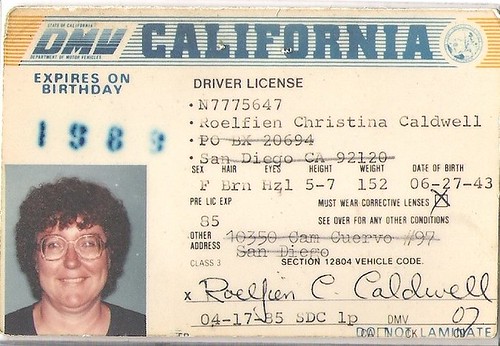

California’s motor vehicle agency is forcing a massive do-over of its federally compliant driver’s licenses after discovering that a long-buried software rule quietly misclassified hundreds of thousands of residents. The recall affects Real ID cards that many people now rely on for boarding flights and entering secure federal buildings, raising fresh questions about how a 20‑year‑old glitch could survive into the era of post‑9/11 identification standards. At the center of the problem is a configuration choice from 2006 that collided with newer federal rules and left 325,000 Californians holding IDs that do not meet the standard they were promised.
How a decades‑old software rule broke California’s Real IDs
The Real ID mess traces back to a legacy software configuration that was written long before the federal program fully took shape. According to state explanations, that legacy logic was embedded in a system implemented in 2006 and it did not line up with how federal Real ID eligibility is now defined. Because of that misalignment, the system treated some lawful residents as if they did not qualify for the same long‑term Real ID status as citizens, even when federal rules said they did, which meant the cards printed for them were technically out of compliance from day one.
Officials have described the problem as a configuration issue rather than a recent coding error, which helps explain how it could sit undetected for years while Real ID enrollment ramped up. The California Department of Motor Vehicles only recognized the scope of the issue after an internal review of Real ID records, which revealed that the outdated logic had affected about 325,000 people whose cards now need to be reissued to match federal standards, a chain of events that state explanations summarize with a blunt “Because of that misalignment” framing.
The scale of the recall and who is affected
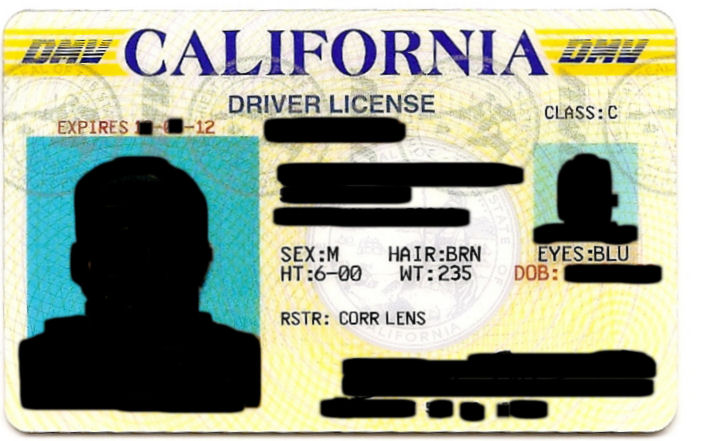
State officials say an estimated 325,000 Californians are being told they must replace their Real ID cards, a figure that underscores how deeply the glitch penetrated the licensing system. The affected group includes many legal immigrants and other non‑citizen residents who followed the rules, provided extensive documentation and paid fees, only to learn that the cards they received do not satisfy the federal Real ID standard they thought they were meeting. For those residents, the recall is not just an administrative hassle, it is a reminder that the system they trusted mishandled their status for years.
State messaging has emphasized that the recall is targeted, not universal, and that most Real ID holders are not affected. The DMV has said it is contacting roughly 325,000 people directly, rather than asking everyone in the state to check their cards, and that those who do not receive a notice can assume their IDs remain valid. Still, the sheer number of impacted Californians, combined with the fact that the problem disproportionately touches lawful immigrants, has amplified public scrutiny of how the Real ID rollout has been managed and whether similar blind spots might exist elsewhere in the system.
What went wrong inside the DMV’s systems
The California Department of Motor Vehicles has framed the issue as a software glitch rooted in how its systems interpreted eligibility categories for Real ID. When the Real ID program was layered onto existing licensing software, the agency relied on older business rules that did not fully reflect the nuances of federal guidance, particularly for non‑citizen residents with long‑term legal status. Those rules were baked into the configuration that controlled how the system coded Real ID applications, so once the mistake was in place, every new card issued under those conditions replicated the same flaw.
The DMV has said it discovered the glitch during an internal review of Real ID records, a process that flagged inconsistencies between how certain customers were categorized and what federal standards actually require. After that review, The DMV acknowledged that about The DMV had been issuing cards that did not match the correct Real ID designation for a subset of residents, prompting a decision to reissue hundreds of thousands of IDs. The agency has also described the problem as part of a broader pattern of software challenges, with one analysis noting that California DMV software problems have “botched” more than 300,000 IDs, a characterization reflected in coverage of California DMV software problems.
How the Real ID program became so high‑stakes
The Real ID program was designed to tighten security around driver’s licenses and identification cards after the September 11 attacks, turning what used to be a routine state credential into a key that unlocks access to airplanes and federal facilities. The REAL ID, as federal rules describe it, is a driver’s license or ID card that meets specific document verification and security standards and is accepted nationwide for purposes like boarding domestic flights. Those standards were phased in over years, and The REAL ID was officially implemented nationwide in May 2025 after Congress set a final enforcement deadline, which turned Real ID status from a future requirement into an immediate necessity for frequent travelers.
California’s rollout has been particularly consequential because of the state’s size and its large population of immigrants, students and workers who rely on air travel and federal services. When the California DMV began issuing Real IDs at scale, residents were told that the new cards would spare them from needing passports for domestic flights and would streamline access to secure federal buildings. That promise raised the stakes for any error in how the program was implemented, since a misclassified Real ID is not just a cosmetic problem but a credential that may fail at a TSA checkpoint or a federal security desk, a risk that is now front and center for the DMV software glitch forces 325,000 Californians to update REAL ID group.
How the DMV is notifying and guiding affected residents
Once the scale of the problem became clear, the California DMV said it would reach out directly to those whose cards need to be replaced, rather than relying on residents to self‑diagnose the issue. The department explained that it will notify affected customers, with officials describing outreach that began on a Wednesday and is expected to continue until all impacted cardholders have been contacted. That approach is meant to reassure the broader public that if they do not receive a letter, email or other notice, their Real ID is not part of the recall, a message that has been echoed in coverage of how the California DMV is fixing the issue.
Public alerts have also spilled onto social media, where posts labeled “🚨 DMV ALERT 🚨” have warned that 325,000 Californians need to replace their REAL ID and urged people to Check their mail for Breakin news about the recall. Those messages, while informal, reinforce the official guidance that residents should look for direct communication from the DMV and not assume that a card is safe simply because it looks normal. The agency has stressed that Individuals who receive a notification are required to take a specific set of steps to update their credentials, a process detailed in coverage of how Individuals will be guided through reissuance.
What affected Californians need to do next
For those who receive a recall notice, the next steps are both straightforward and time‑sensitive. The DMV is instructing residents to schedule an appointment or visit a field office, bring the required identity and residency documents and complete the process to have a corrected Real ID issued. In many cases, the documentation will mirror what was provided the first time, but the key difference is that the system will now classify the applicant correctly under federal Real ID rules, ensuring that the new card carries the proper designation and expiration.
Officials have emphasized that Fees associated with reissuing the IDS will be waived for those affected, a recognition that residents should not pay twice for a problem created by the DMV’s own systems. That commitment has been highlighted in explanations of why about about 325,000 Californians need new Real IDs because of a software error, and it is meant to reduce the financial sting of taking time off work, arranging transportation and navigating crowded offices. The California Department of Motor Vehicles has also said it will streamline appointments for those in the recall group, an effort to prevent the reissuance surge from overwhelming field offices that already struggle with long lines.
Why legal immigrants are at the center of the fallout
One of the most sensitive aspects of the glitch is how it affected legal immigrants, who already face more complex documentation requirements when applying for Real ID. The misaligned software logic appears to have treated some categories of lawful presence as if they were temporary or ineligible for the same Real ID treatment as citizens, even when federal rules allowed it. As a result, many non‑citizen residents who complied with every request from the DMV and provided extensive paperwork now find themselves singled out for reissuance, reinforcing long‑standing concerns that bureaucratic systems can be especially unforgiving for immigrants.
Coverage of the recall has repeatedly noted that an estimated Now 325,000 Californians will have to replace their REAL IDs because the software error disproportionately impacted legal immigrants, a framing that has resonated with advocacy groups. Those groups argue that when a system error falls hardest on people whose status is already scrutinized, it can deepen mistrust in public institutions and deter eligible residents from seeking services. The Department of Motor Vehicles has acknowledged that Thousands of Californians, including many in immigrant communities, are being asked to return to offices to fix a problem they did not create, a reality reflected in reports that Thousands of Californians must replace their REAL ID cards after the Department of Motor Vehicles detected the issue.
The political and public‑trust stakes for California’s DMV
The Real ID recall lands on an agency that has already faced criticism for long wait times, website outages and past technology failures, and it raises fresh questions about how well California’s DMV can manage complex, security‑sensitive programs. When an error of this magnitude surfaces, it does more than inconvenience hundreds of thousands of residents, it also chips away at confidence that the state can handle the digital infrastructure behind everything from driver’s licenses to voter registration. Lawmakers and watchdogs are likely to press for answers about how a configuration from 2006 survived into the Real ID era without being caught by audits or federal oversight.
Public frustration has been amplified by the sense that the problem was avoidable, especially given the long runway states had to prepare for Real ID enforcement. Analyses that describe how California DMV software problems have “botched” more than 300,000 IDs, including the current recall, suggest a pattern of underinvestment or mismanagement in the agency’s technology stack, concerns captured in reporting on California DMV software problems. For residents, the recall is a tangible reminder that even as identification cards become more secure and more central to daily life, they are still only as reliable as the code and policies that sit behind the DMV counter.
What this glitch reveals about government tech debt
The Real ID recall is also a case study in what technologists call “tech debt,” the accumulation of outdated systems and shortcuts that eventually collide with new requirements. The DMV’s reliance on legacy logic from 2006 shows how government agencies often layer new programs onto old software rather than rebuilding from scratch, a strategy that can work for years until a change in law or policy exposes hidden assumptions. In this case, the collision between old configuration rules and modern Real ID standards produced a quiet but far‑reaching failure that only surfaced once the program was fully in force nationwide.
Video clips and social posts about the recall have highlighted how surprising it is that a decades‑old rule could still be shaping IDs in 2026, with one short segment noting that The California Department of Motor Vehicles says it will have to reissue DMV 325,000 California Real IDs, a figure that sits alongside metrics like 219 and 39 in the clip’s caption. Other posts have stressed that an estimated Californians 325,000 will have to replace their REAL IDs because of the glitch, underscoring how a single configuration choice can ripple across hundreds of thousands of lives. For policymakers, the episode is a warning that deferring modernization of core systems can carry hidden costs that only become visible when a program like Real ID turns those systems into critical national infrastructure.
How residents can protect themselves while the recall unfolds
For Californians trying to navigate the fallout, the most practical step is to pay close attention to mail and digital messages from the DMV and to act promptly if a recall notice arrives. Residents who rely on their Real ID for air travel should consider carrying a passport or other federally accepted document until they are certain their replacement card has been issued and activated, especially if they are in the group flagged by the recall. Those who have not received any communication but remain concerned can check their status through DMV channels, though officials have stressed that only the identified group of roughly 325,000 cardholders is affected.
Public service segments have urged people not to ignore official envelopes from the DMV, pointing out that the recall is not a scam but a genuine effort to correct a systemic error. One explainer framed the situation as a DMV software glitch forces 325,000 Californians to update REAL ID scenario, while another short alert branded it as a DMV ALERT for Californians whose REAL IDs may not be valid for future travel. As the recall proceeds, the California DMV has said it will continue to Stream Los Angeles News for residents and provide updated guidance on how to complete the process, a commitment reflected in coverage of how people can Stream Los Angeles News for free to stay informed.
More from Wilder Media Group: