
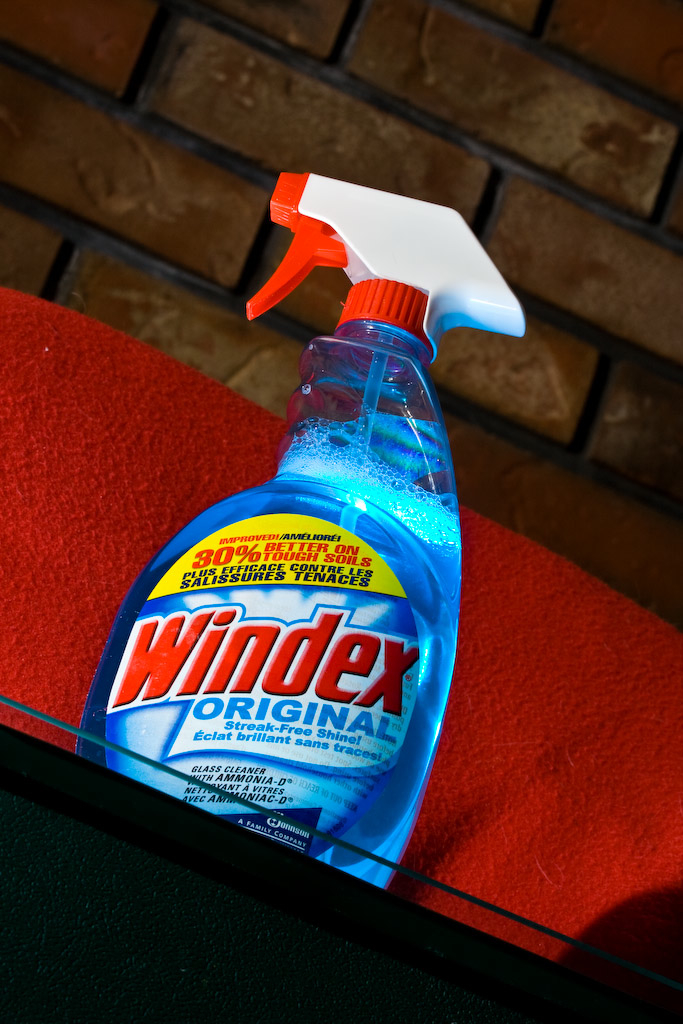

Motorcyclists obsess over clear vision for good reason, yet many still reach for the same blue glass cleaner they use on the kitchen window when it is time to wipe down a helmet visor. The question is not just whether that shortcut works, but whether it quietly damages the visor’s coatings or weakens the shield that stands between a rider’s eyes and the road. Understanding how common cleaners interact with modern helmet materials is the key to keeping visibility sharp without shortening the life of an expensive visor.
Helmet makers and safety experts have spent years warning that the wrong cleaning routine can scratch, cloud, or chemically stress a visor, especially those with anti-fog or tinted finishes. Their guidance, backed by product manuals and independent tests, points to a simple rule of thumb: treat a visor less like a bathroom mirror and more like a precision optical surface, and choose cleaners accordingly.
Why Windex Seems Convenient but Can Be Risky
Windex and similar glass cleaners appeal to riders because they cut through bug splatter and road grime quickly, leaving household windows streak free. That convenience hides a mismatch between what the product is designed for and what a helmet visor actually is. Most motorcycle shields are made from polycarbonate or similar plastics, not glass, and they often carry delicate surface treatments that respond very differently to chemicals than a living room window does. When a cleaner is optimized for glass, it may be too aggressive for plastic, even if the visor looks fine after the first few wipes.
Manufacturers of polycarbonate lenses and shields consistently caution against using household glass cleaners that contain ammonia or strong solvents on their products, noting that these ingredients can cause surface crazing, micro cracks, or hazing over time, especially under UV exposure and mechanical stress. Helmet manuals echo that warning, steering riders toward mild soap and water or cleaners labeled safe for polycarbonate rather than generic glass sprays. Product documentation for popular visors and face shields reinforces that repeated exposure to harsh chemicals can degrade coatings and shorten the service life of the shield, even when the damage is not immediately visible to the naked eye.
How Helmet Visor Materials React to Household Cleaners
Modern motorcycle visors are engineered to balance impact resistance, optical clarity, and resistance to scratching, which is why polycarbonate is so widely used despite being softer than glass. That softness is precisely what makes the material vulnerable to both abrasive wiping and chemical attack. When a cleaner contains ammonia, alcohol blends, or other aggressive agents, it can leach into the surface of the plastic, especially if the visor has already been exposed to sunlight and heat, and that interaction can lead to fine surface cracks that scatter light and reduce clarity. Over time, those micro fractures can expand, leaving the shield looking cloudy or “spiderwebbed” even if it was carefully handled.
On top of the base plastic, many visors carry additional layers such as anti-scratch coatings, anti-fog films, mirrored finishes, or dark tints. These layers are often thinner and more chemically sensitive than the underlying polycarbonate, which means a cleaner that seems safe for the base material can still strip or dull the coating. Technical notes from visor and goggle makers highlight that alcohol based sprays and ammonia cleaners can break down hydrophilic anti-fog treatments and mirrored finishes, leading to patchy areas where the coating has been partially removed. Once that happens, the only remedy is usually a replacement visor, since reapplying factory coatings at home is rarely possible.
Manufacturer Guidance on Cleaning Visors Safely
Helmet brands devote entire sections of their owner’s manuals to cleaning and care, and their instructions are remarkably consistent: use lukewarm water, a small amount of mild, non abrasive soap, and a soft microfiber or cotton cloth. Many explicitly warn against glass cleaners, petroleum based solvents, and any product containing ammonia, explaining that these can damage the visor and void warranty coverage. Riders who check the fine print on popular full face models will find clear language advising them to avoid household sprays and instead rely on gentle washing followed by air drying or patting with a clean towel.
Some manufacturers go further and recommend specific helmet or visor cleaning products that have been tested against their own coatings, often sold as part of a care kit. These dedicated cleaners are typically labeled as safe for polycarbonate and anti-fog surfaces, and they are formulated to lift bugs and grime without attacking the protective layers. Technical support pages for major brands also stress the importance of soaking dried insect remains with wet paper towels or a damp cloth before wiping, to reduce the risk of scratching. That emphasis on softening debris before contact cleaning underlines a broader point: mechanical abrasion is as much a threat as chemical damage, so the safest routine minimizes both.
Best Practices for Cleaning Without Damaging the Visor
Safe visor care starts with a simple routine that avoids both harsh chemicals and aggressive scrubbing. The most widely endorsed method is to remove the visor if the helmet design allows, then rinse it under lukewarm running water to flush away loose grit. A drop of mild dish soap or helmet specific cleaner can then be applied with a clean microfiber cloth, using light pressure and straight strokes rather than circular rubbing that can highlight any fine scratches. After rinsing thoroughly, the visor should be allowed to drip dry or be gently patted with a fresh, lint free cloth to avoid streaks.
When cleaning on the road, where running water is not available, experts recommend carrying a small spray bottle filled with water or a visor safe cleaner and a dedicated microfiber cloth stored in a clean pouch. The same principle applies: wet the surface generously to soften bugs and dust, let it sit for a moment, then wipe with minimal pressure. Riders are also advised to avoid using paper towels or fuel station squeegees, which can contain embedded grit or harsh detergents that scratch plastic. Following these steps consistently helps preserve both the optical clarity and structural integrity of the visor, reducing the need for premature replacements.
When (If Ever) Windex Might Be Acceptable and Safer Alternatives
Some riders argue that using Windex sparingly on the outside of a visor has not caused them visible problems, especially on older helmets or shields without special coatings. While occasional, light use on a plain, uncoated polycarbonate visor may not cause immediate failure, that approach runs against the conservative guidance from helmet makers and plastic manufacturers who design for long term durability and safety margins. The cumulative effect of repeated exposure, combined with UV light and mechanical stress from opening and closing the shield, is difficult to judge by eye, which is why official recommendations err on the side of avoiding household glass cleaners altogether.
For those who want a quick, effective alternative, the safest path is to choose products explicitly labeled for motorcycle visors, polycarbonate lenses, or helmet face shields, and to pair them with soft microfiber cloths kept free of dirt and sand. Many riders also keep pre moistened wipes formulated for helmet use in a tank bag or jacket pocket, which provide the convenience of a spray cleaner without the chemical risks associated with generic glass products. By aligning cleaning habits with the materials and coatings actually used in modern visors, motorcyclists can maintain crystal clear vision without gambling on whether a household window spray will quietly shorten the life of their most important piece of safety gear.
More from Steel Horse Rides: