


You own or may encounter one of nearly 1.5 million vehicles affected by a rearview camera defect that can show a blank or distorted image while reversing, increasing the risk of a crash. Act now: if you drive a 2015–2019 Ford or Lincoln model in the affected list, expect a mailed recall notice and dealer inspection or camera replacement at no charge.
The post explains which models are involved, why the cameras fail, and the practical steps owners should take to stay safe and compliant. It also looks at how the recall could affect owners and the automaker’s broader quality and warranty actions, and what to watch for next.
Key Details of the Rearview Camera Recall
The recall affects a wide set of Ford and Lincoln models from mid‑2010s production years and centers on rearview camera displays that can go blank, distort, or invert while the vehicle is in reverse. Dealers will inspect and replace cameras as needed at no charge.
Which Models and Years Are Affected
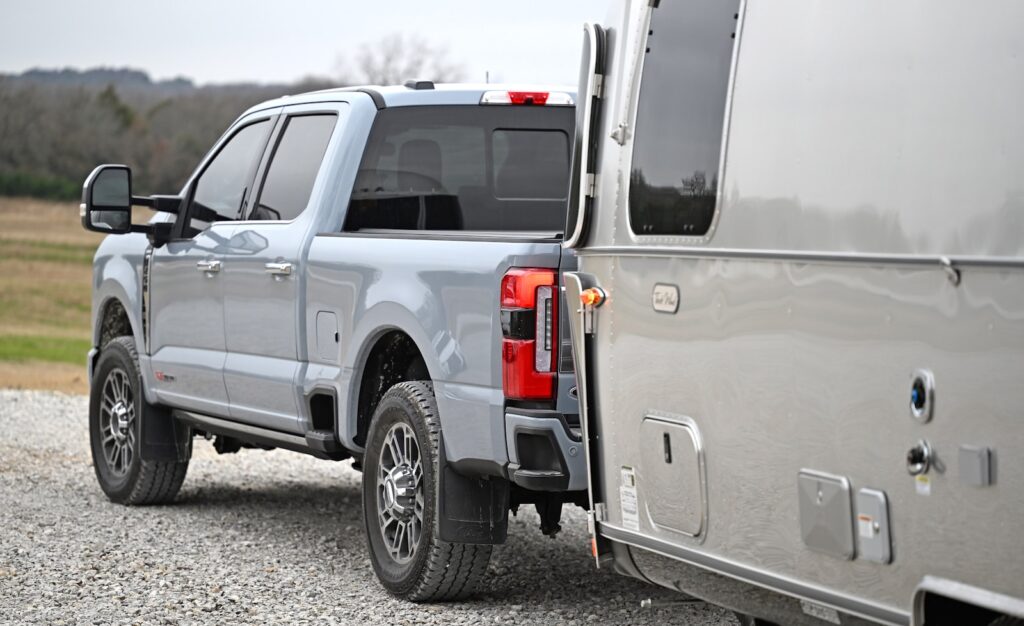
Affected vehicles include multiple Ford and Lincoln nameplates from roughly 2015–2019. Examples reported include Super Duty trucks (F‑250, F‑350, F‑450), F‑550, Transit, Expedition, Lincoln Navigator, Edge, Econoline, Ranger, Lincoln MKC, and Mustang across specified model years. Exact lists and VIN checks appear in the manufacturer recall notice.
Owners can confirm eligibility by contacting Ford customer service or checking the national recall database online. Dealers will notify registered owners by mail once remedies become available. For more details on the full affected list, consult the reporting on the expanded recall at AP News.
Nature of the Camera Failure
The defect stems from the rearview camera or its associated software/hardware interface causing the center display to show a blank, distorted, or inverted image when the transmission is in reverse. Symptoms reported include a frozen image, delayed display, or complete loss of the camera view on the infotainment screen.
Technicians will inspect the camera assembly and related wiring and replace the camera module if diagnostics show a malfunction. Some earlier recalls for related software issues were addressed with over‑the‑air updates, but this expanded recall requires physical camera replacement in many units.
Crash Risk and Reported Incidents
A blank or distorted rearview camera image reduces the driver’s rear visibility and can increase the risk of backing collisions with people, vehicles, or objects. Regulators and the manufacturer linked the defect to reported incidents; coverage notes Ford identified roughly 18 accidents tied to the camera problem, with no injuries widely reported.
Drivers should avoid relying solely on the camera while reversing; they should use mirrors and turn to check blind spots until the remedy is completed. Owners can contact Ford Customer Service or the National Highway Traffic Safety Administration to report problems or confirm repair scheduling.
Next Steps for Owners and Industry Impact
Owners should verify if their vehicle is on the recall list, expect a free repair at a dealer, and monitor software updates and communications from the manufacturer. The recall affects models across multiple years and can leave the rearview camera blank or distorted while reversing, increasing crash risk.
How to Check If Your Vehicle Is Included
They can check recalls using the vehicle identification number (VIN). Enter the VIN at the National Highway Traffic Safety Administration recall lookup to see open campaigns and affected components.
Dealers and automakers will also mail recall notices to registered owners; those notices list model years, trim levels, and specific vehicle ranges covered.
If owners prefer phone help, they can call the automaker’s customer service line with the VIN ready. Private buyers should confirm with the seller or use the VIN lookup before purchasing to avoid buying a vehicle with an unaddressed safety recall.
What to Expect From the Recall Process
Owners will receive mailed notifications instructing them to schedule a visit to an authorized dealer for inspection and a free repair or software update. Technicians may replace the camera module, update firmware, or swap a circuit board depending on the root cause identified during service.
Service times vary by repair type; software updates can often complete the same day, while hardware replacements may take longer or require parts ordering. Dealers should provide a loaner vehicle or explain wait times if repair capacity is limited. Owners should keep documentation of the repair and verify the recall campaign ID on the repair order.
Industry Response and Regulatory Actions
Automakers have issued recalls ranging from hundreds of thousands to nearly two million vehicles in recent rounds addressing rearview camera failures. Regulators such as NHTSA have increased scrutiny of camera and software reliability, opening investigations and compiling incident reports linked to display failures. See the NHTSA recall lookup for official campaign details (https://www.nhtsa.gov/recalls).
Manufacturers may push over-the-air (OTA) updates where supported to fix software issues more quickly, though many affected models require in-dealer service. Expect dealers to prioritize high-risk cases and for regulators to tighten guidance on camera system diagnostics and reporting requirements moving forward.
More from Steel Horse Rides: