


Cars have long been more than just modes of transportation; they often capture the spirit and values of their time. Throughout history, certain vehicles have emerged as symbols that resonate deeply with the people of their generation.
This article explores cars that defined a generation by reflecting cultural shifts, technological advancements, and changing consumer priorities. These vehicles offer insight into how automotive design and innovation connect with broader social trends.
Ford Model T
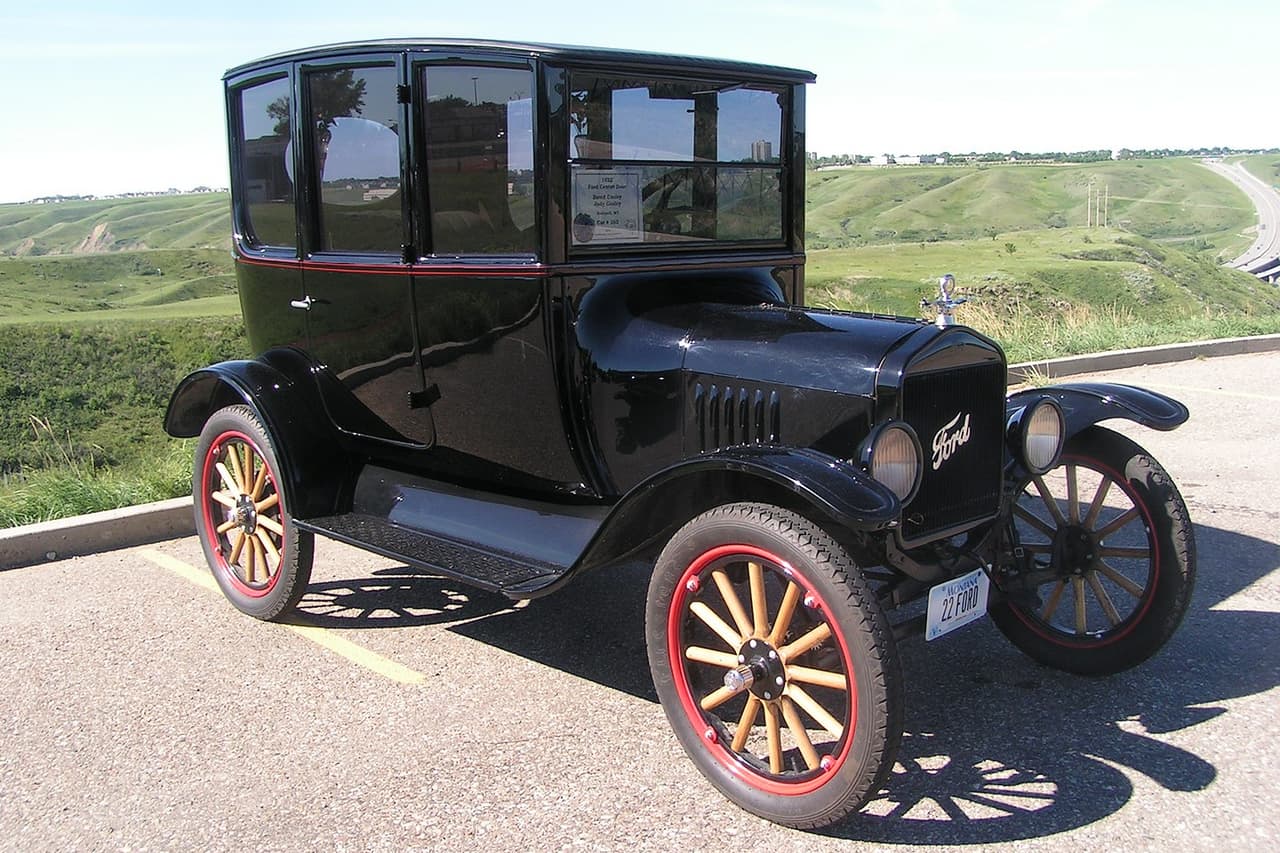
The Ford Model T was produced from 1908 to 1927 by the Ford Motor Company. It was designed to be affordable, reliable, and easy to operate.
Henry Ford’s use of assembly line production greatly lowered costs, making the Model T accessible to many people. Over 15 million units were built during its production run. Its durability and simplicity helped shape the early automotive industry and expanded car ownership in the United States.
Chevrolet Caprice
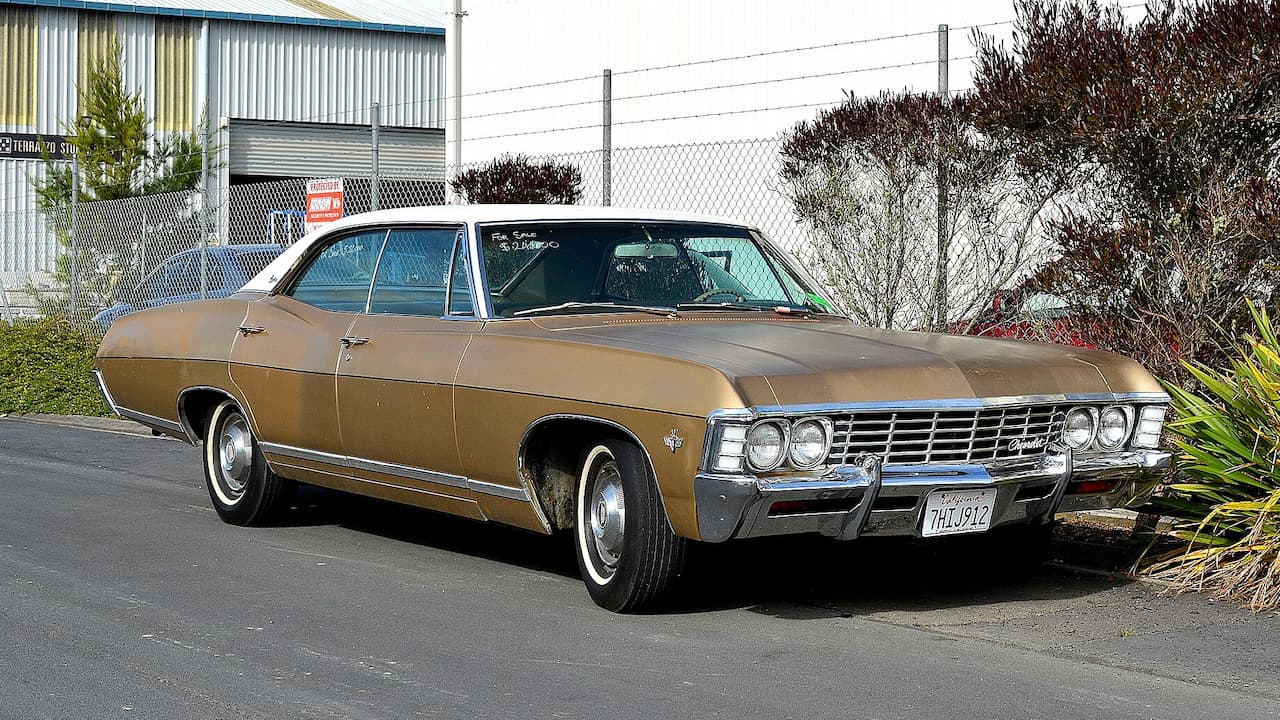
The Chevrolet Caprice was introduced in 1965 as a premium trim for the Impala. It became a standalone model in 1966, marking Chevrolet’s entry into the full-size car market with a focus on luxury and comfort.
Produced through 1996, the Caprice evolved over six generations. It combined American sedan styling with practical features, widely used by families and law enforcement alike.
Honda Civic
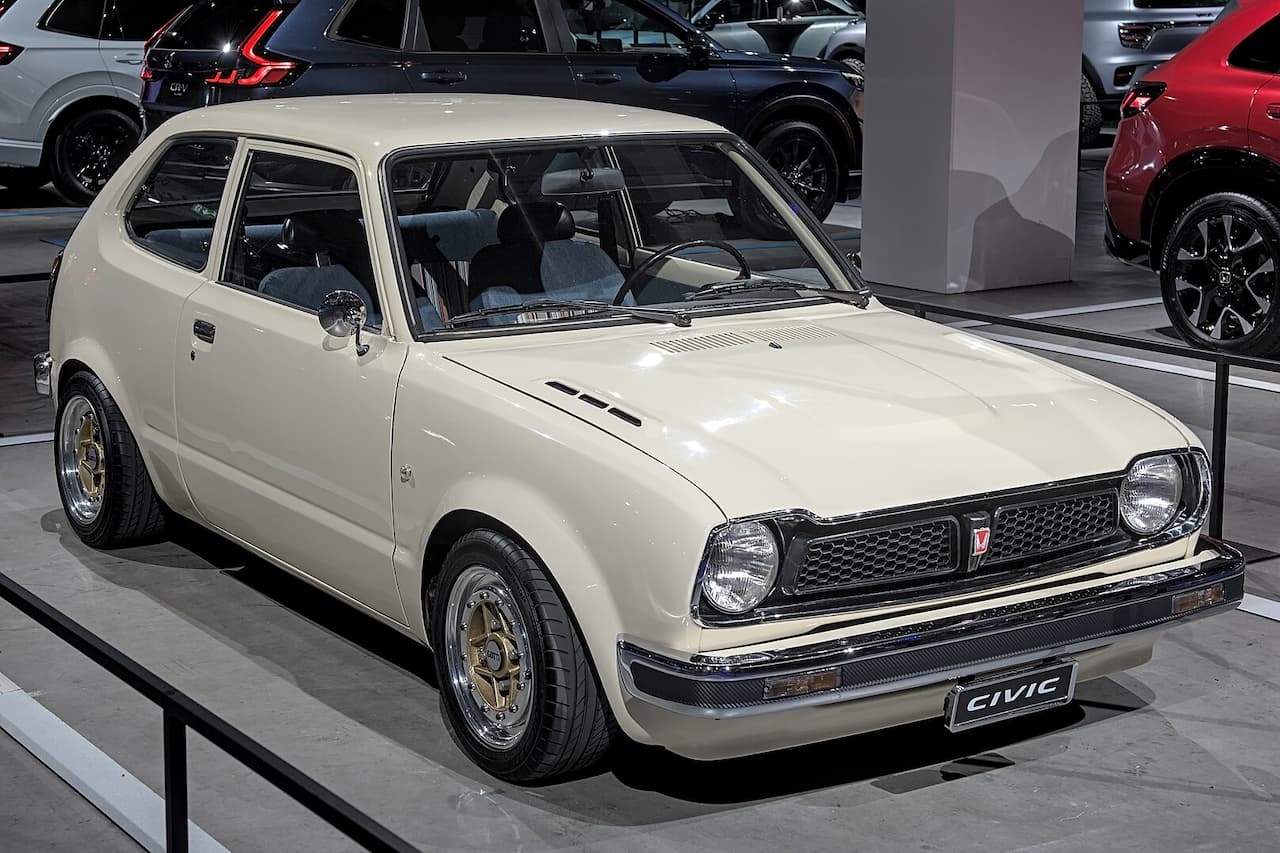
The Honda Civic has been in production since 1972. It is known for its reliability and efficient design.
The model has evolved through multiple generations, adapting to market demands. It is offered in various body styles, including hatchbacks and sedans.
The Civic played a significant role in Honda’s growth, especially in North America. It remains a popular choice for practical transportation.
Toyota Corolla
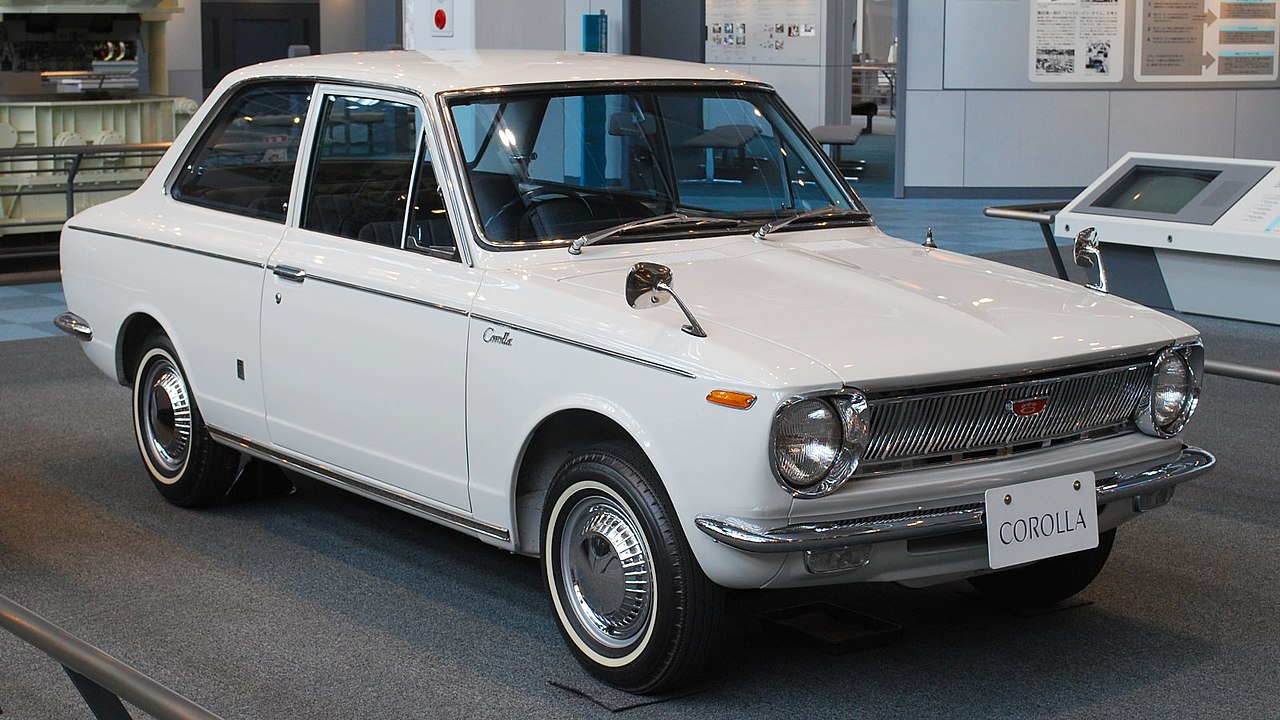
The Toyota Corolla has been a key player in the automotive world since its debut in 1966. It is recognized for its reliability, fuel efficiency, and affordability.
Over thirteen generations, the Corolla evolved with updated designs and hybrid options. The 13th generation is set to launch in 2027, featuring modern technology and a sportier GR variant.
Its consistent appeal has made it one of the best-selling cars worldwide, impacting multiple generations of drivers.
Ford Mustang

The Ford Mustang has been in continuous production since 1964. It is one of the longest-produced American automobiles and remains a key part of Ford’s lineup.
The Mustang defined the pony car segment and became a cultural icon in the United States. It is known for combining performance with affordability.
Over the years, the Mustang has undergone many design changes but has retained its sporty appeal. Its influence extends globally, making it a significant model in automotive history.
Jeep Original
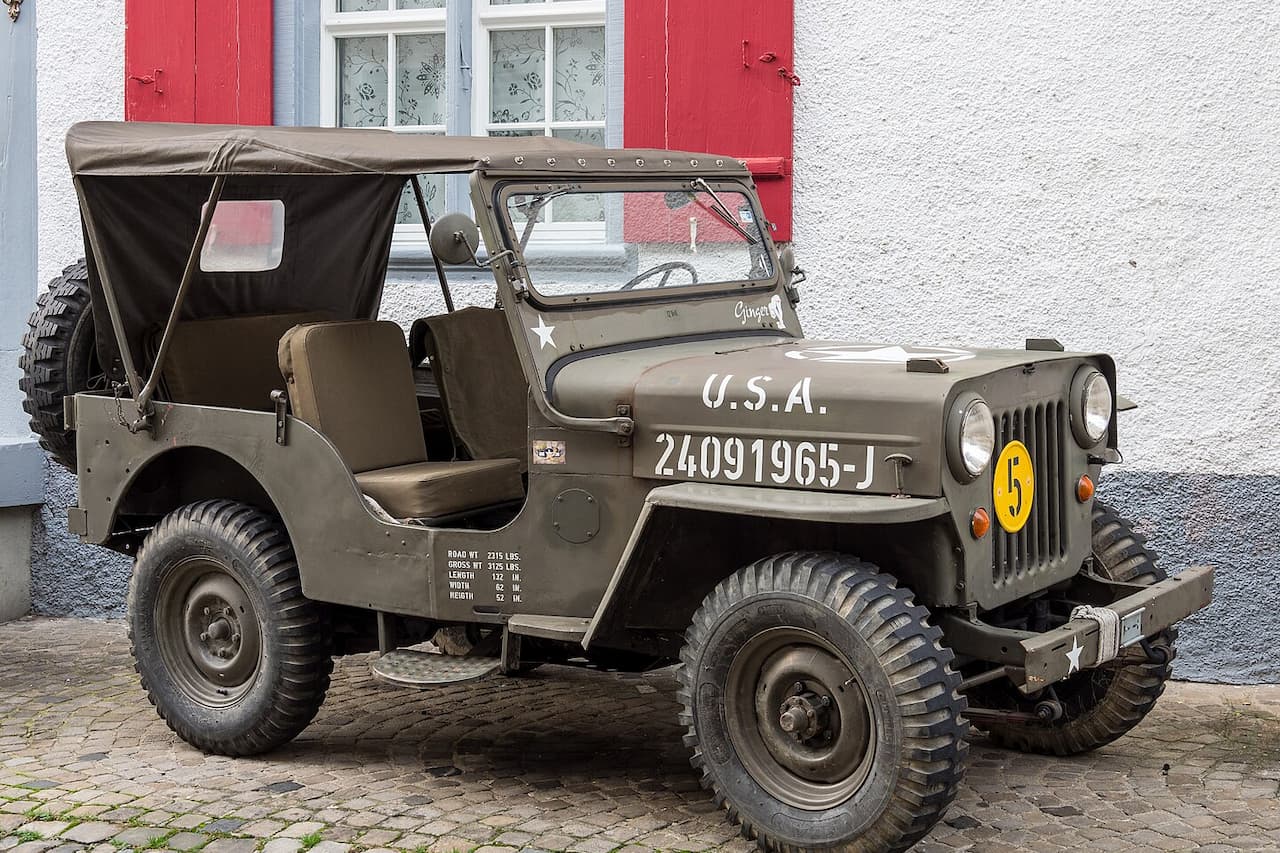
The Jeep originated during World War II as a military vehicle designed for versatility and durability. Its rugged build made it a vital tool for the armed forces.
After the war, Jeep transitioned into civilian markets with models like the CJ-2A, introducing utility vehicles to everyday drivers.
This shift laid the foundation for future SUVs, influencing the design and purpose of off-road and utility vehicles globally.
Ford F-Series Pickup
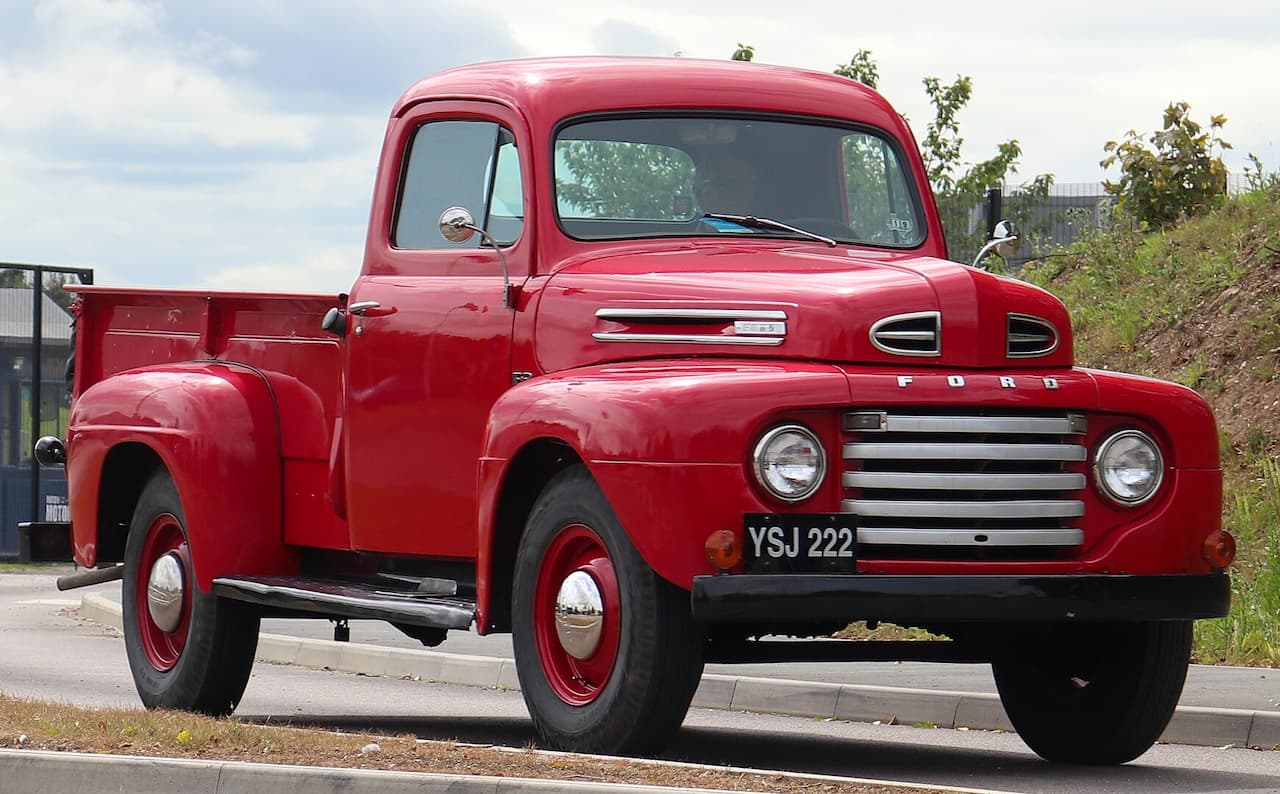
The Ford F-Series has been a cornerstone of the pickup market since its debut in 1948. Each generation brought practical improvements and design changes that reinforced its reputation for reliability.
The 13th generation, produced from 2015 to 2020, introduced advanced materials like aluminum panels to reduce weight and improve efficiency. The model maintained its focus on durability and versatility, appealing to both work and personal use.
Citroën DS
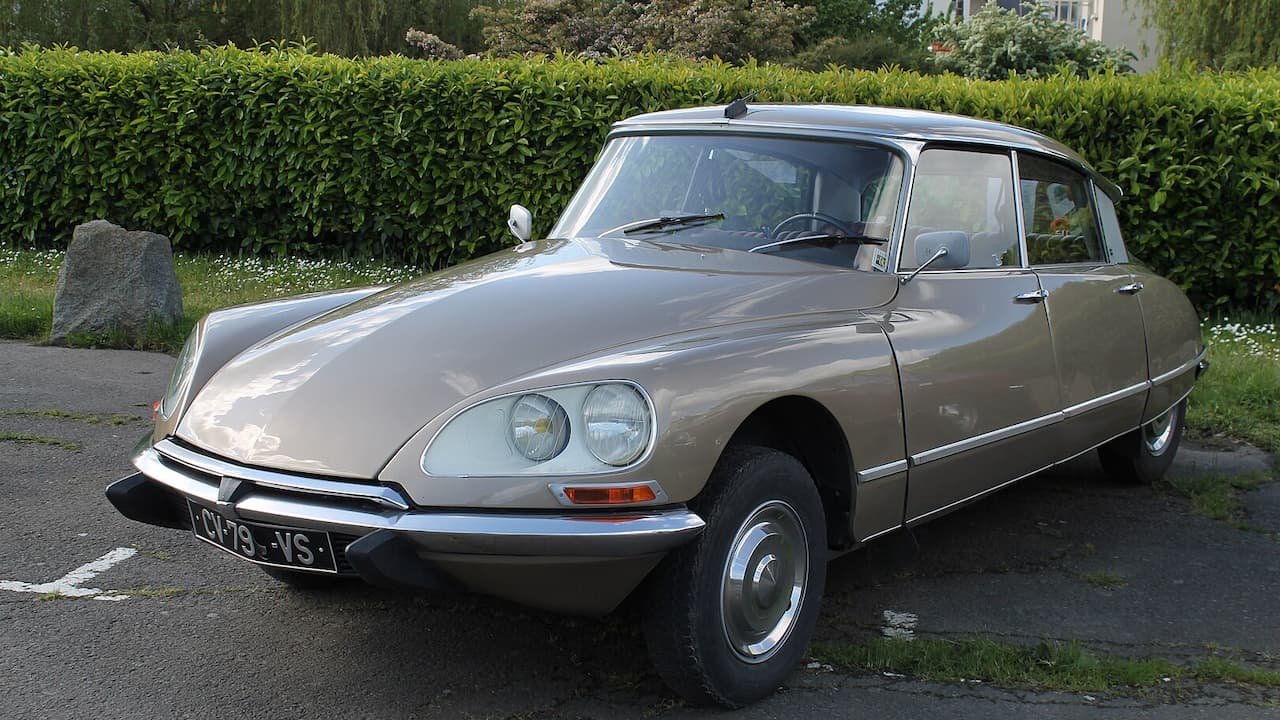
The Citroën DS was produced from 1955 to 1975 and was known for its advanced engineering. It featured a front mid-engine layout with front-wheel drive, which was uncommon at the time.
The car introduced a unique hydraulic suspension system, offering an exceptionally smooth ride. Its design included a lightweight polyester roof and a futuristic dashboard, setting it apart visually and technically.
Citroën DS had a significant influence on automotive design and technology, becoming a symbol of innovation in the mid-20th century.
Chevy C/K 1980s
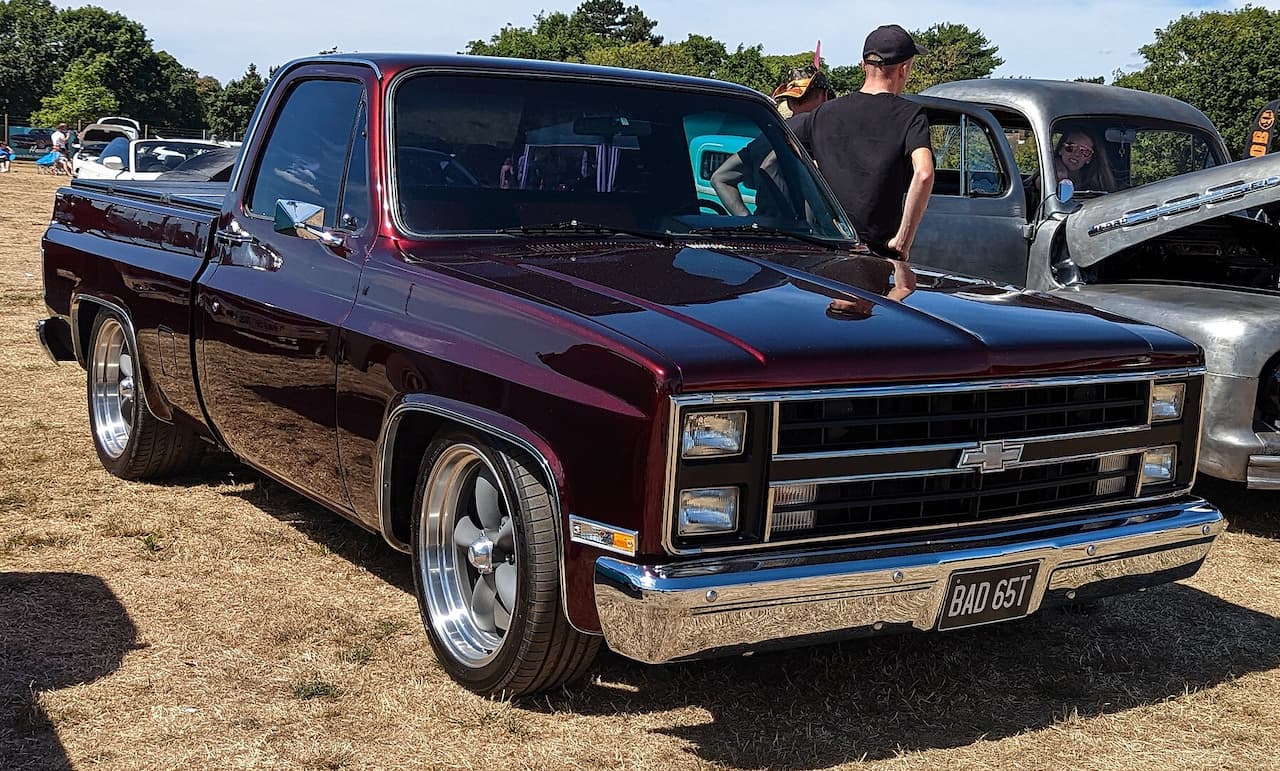
The Chevy C/K trucks of the 1980s, often called the “Square Body,” are recognized for their boxy design and durability. Produced from 1973 to 1987, these trucks became popular for their rugged build and simplicity.
They served both work and personal use, appealing to a wide audience. Enthusiasts often praise the 1980s C/K for its straightforward mechanics and classic styling.
1955 Chevrolet 150
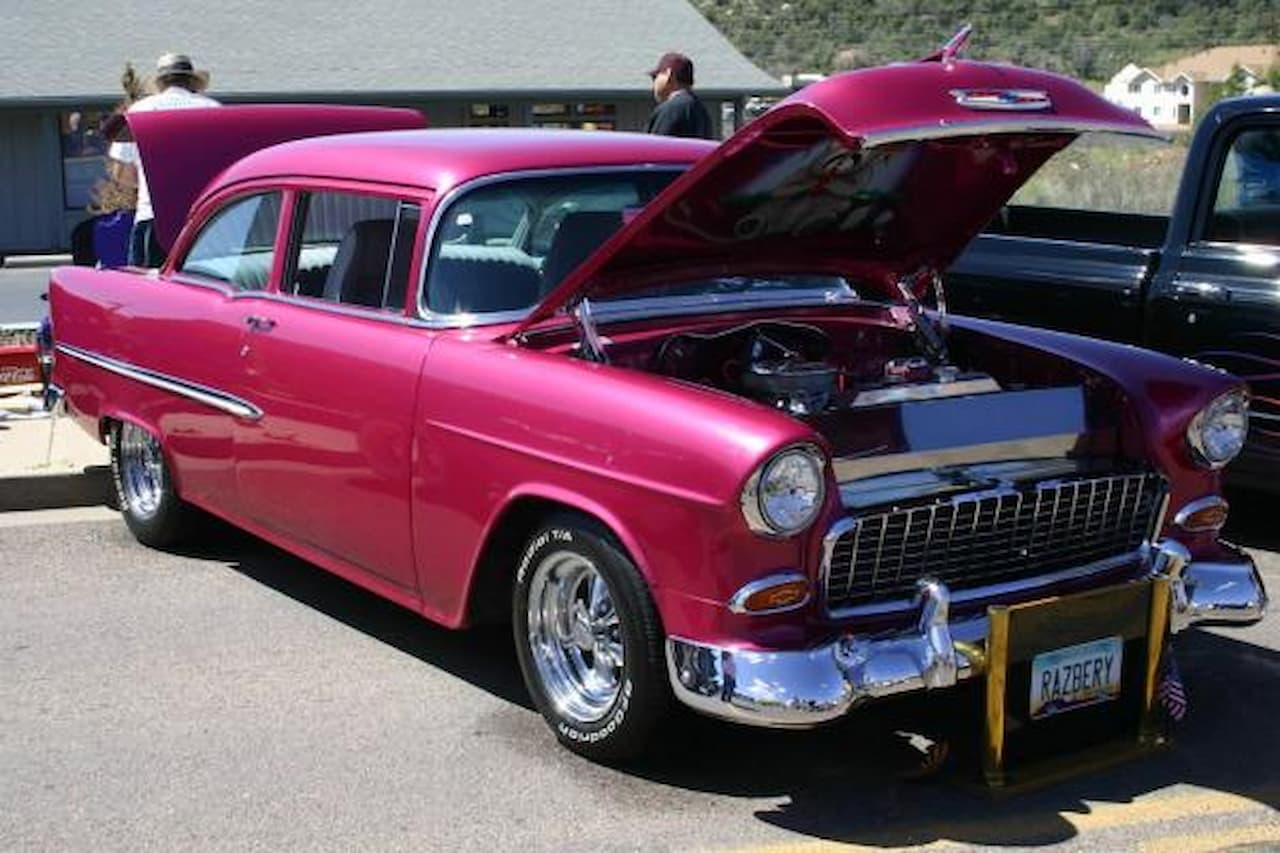
The 1955 Chevrolet 150 was Chevrolet’s economy and fleet model. It marked a shift in styling and performance for the brand during the mid-1950s.
Known as part of the Tri-Five series, the 150 offered a practical but updated design compared to earlier models. It catered to buyers seeking affordability without sacrificing Chevrolet’s new engineering advancements.
1956 Ford Thunderbird
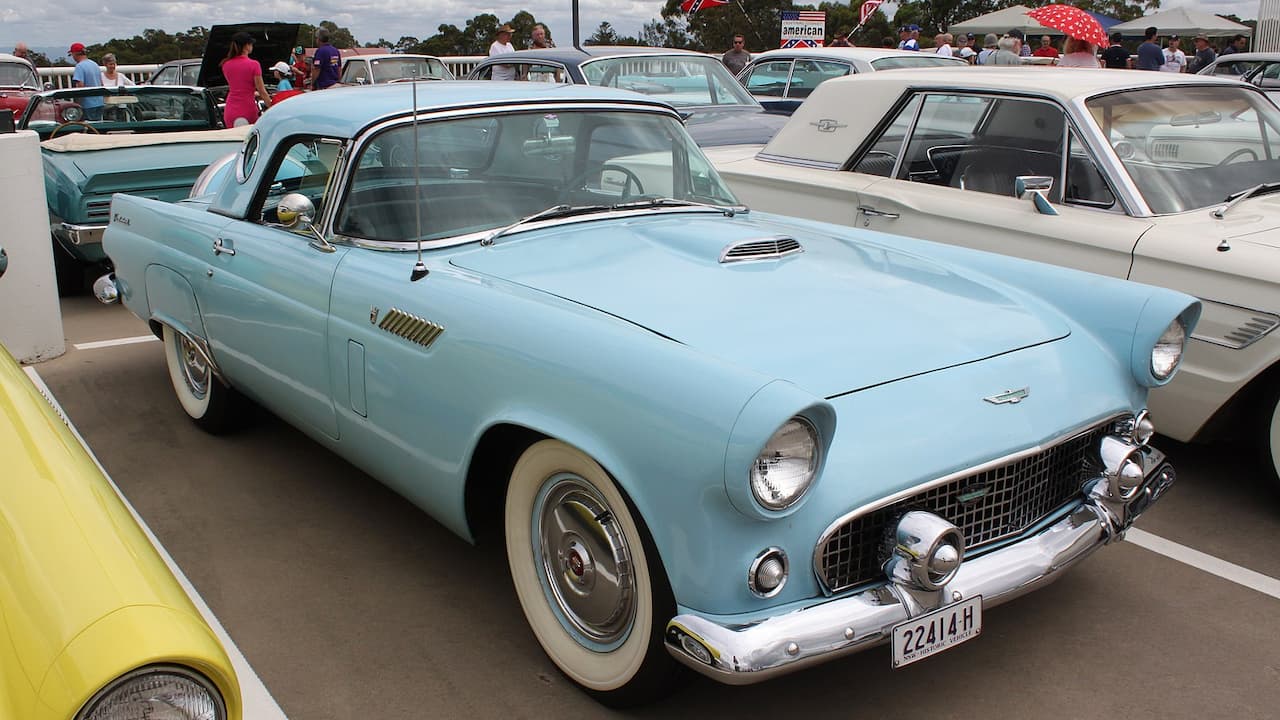
The 1956 Ford Thunderbird featured a 312-cubic-inch V8 engine, replacing the previous 292-cubic-inch model. This change provided more power and improved driving performance.
It maintained the classic two-seat convertible design while incorporating a 12-volt electrical system for better reliability. The car became a symbol of 1950s American style and automotive innovation.
1958 Edsel Corsair
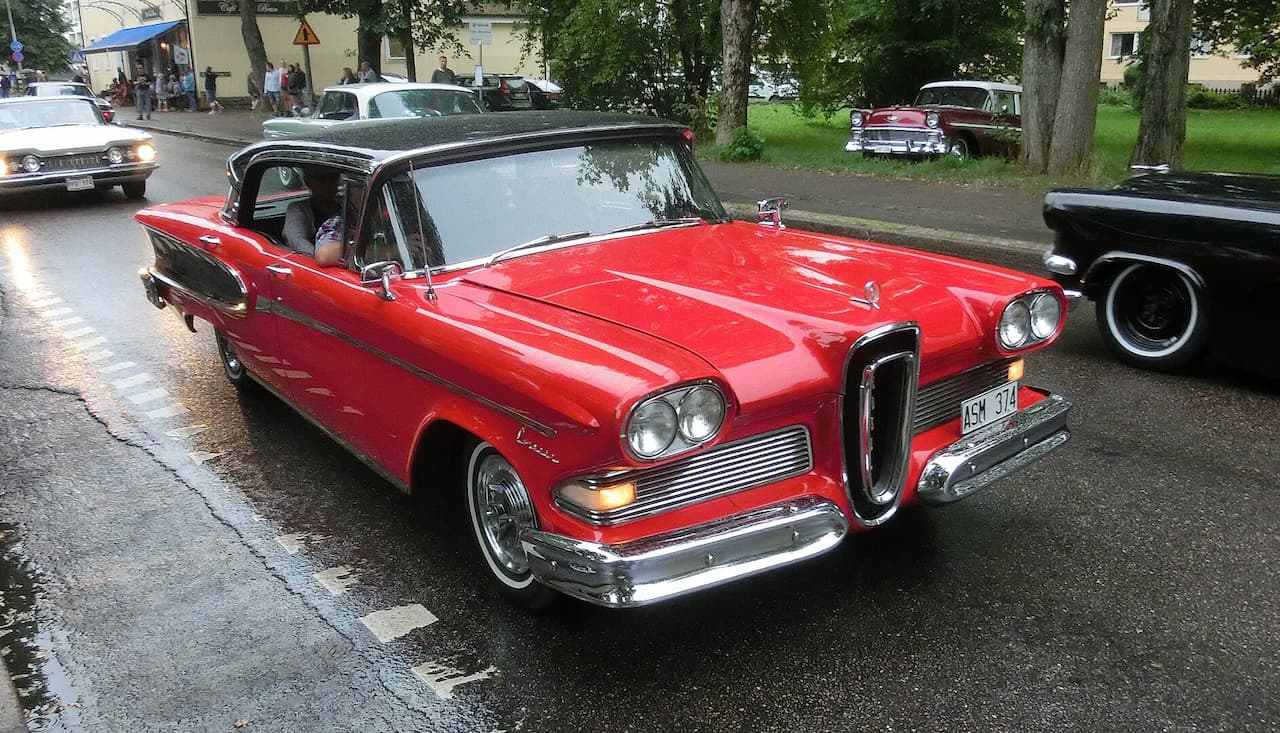
The 1958 Edsel Corsair was a key model in Ford’s attempt to create a distinctive brand in the late 1950s. It featured a longer, wider platform than many competitors, aiming for a higher level of comfort and style.
Despite its ambitious design, the Corsair faced market challenges and is often remembered for its controversial reception. It was produced only for a short period before the brand was discontinued.
1932 Ford 5-Window Coupe
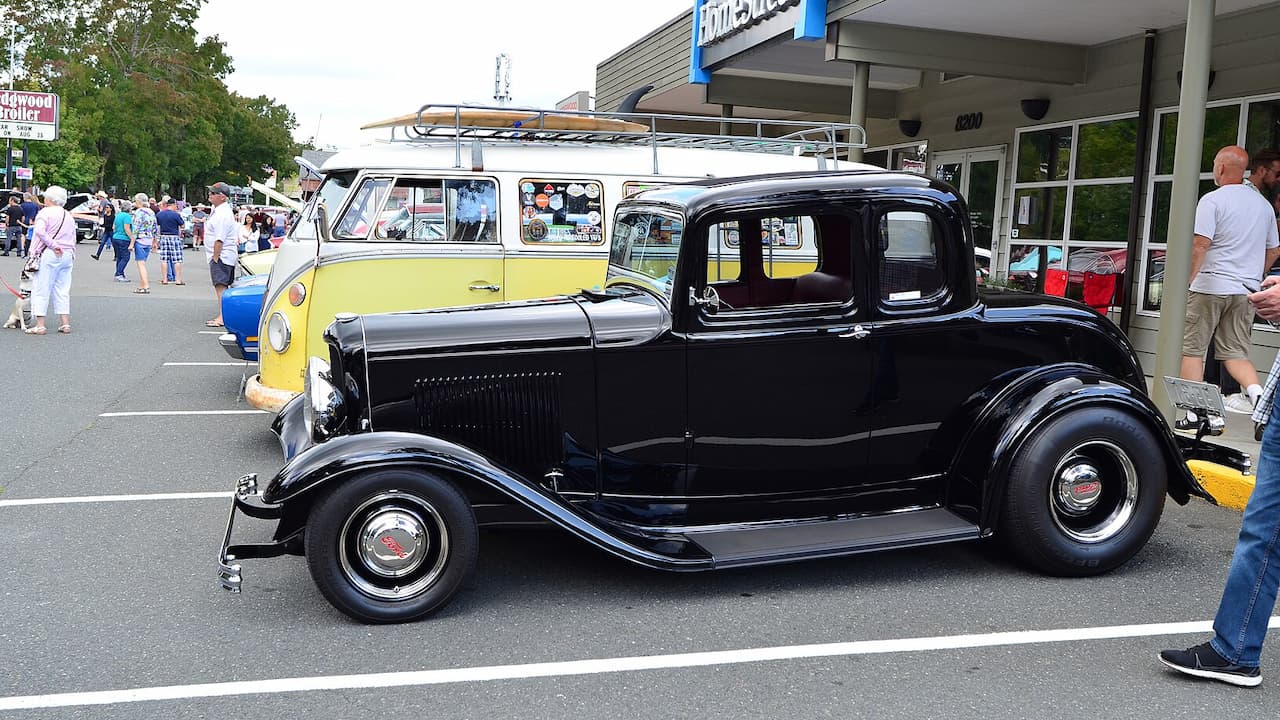
The 1932 Ford 5-Window Coupe is a classic American automobile known for its distinctive design and cultural significance. It features a unique window arrangement with five openings, enhancing visibility and style.
This model is prized among hot rod enthusiasts for its solid construction and vintage appeal. It was built with Ford’s innovative V8 engine, marking an important development in automotive engineering.