
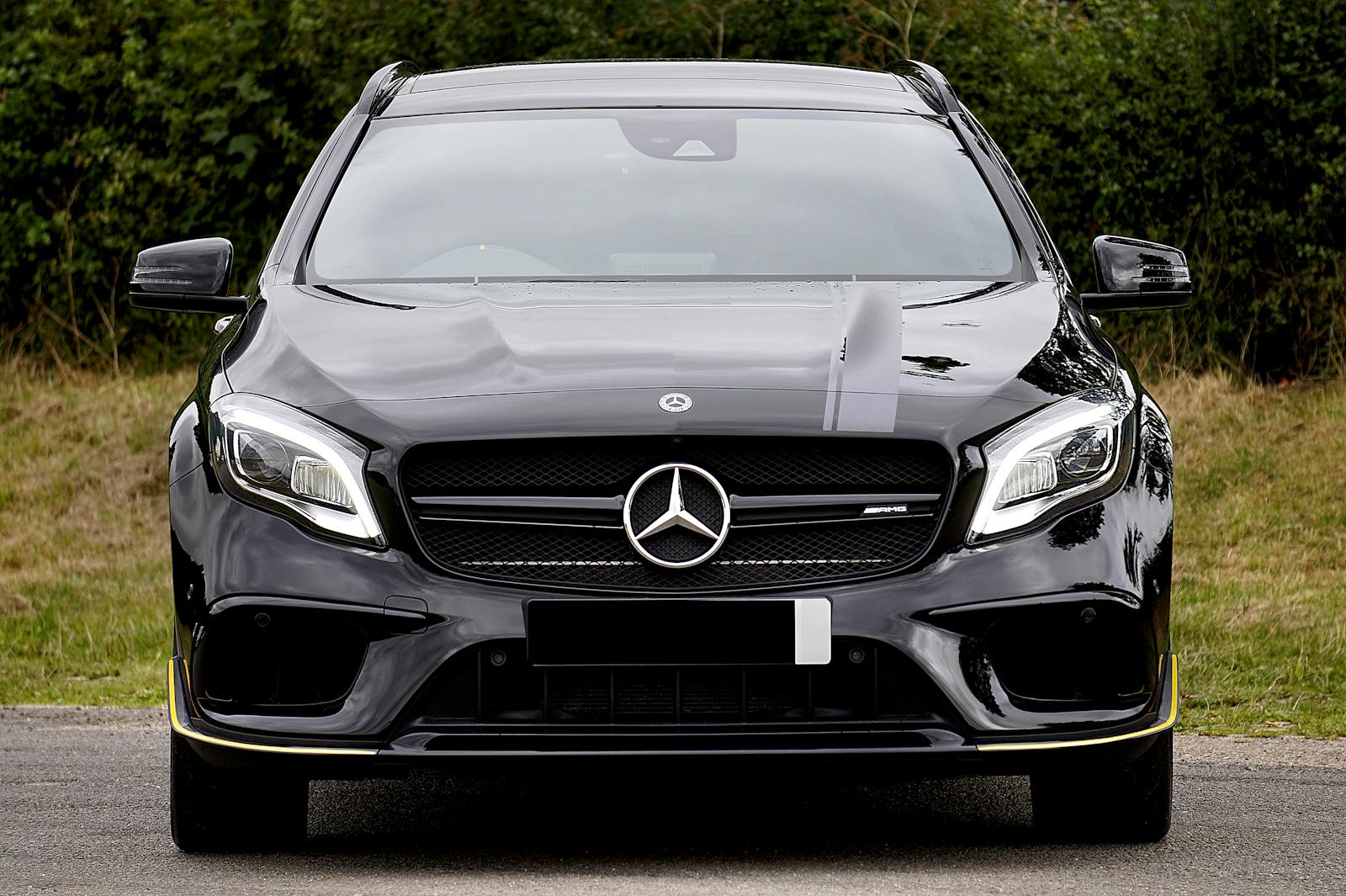

We live in a world where our cars often reflect our personalities. For some, it’s all about practicality and reliability. For others, it’s a chance to flaunt a little—or a lot—of bling. But let’s be real: certain cars practically scream, “I’m bad with money!” If you’ve ever spotted someone cruising around in a flashy ride that’s clearly out of their budget, you know what I mean. Maybe you chuckled a little or felt a twinge of sympathy. Either way, these vehicles can say a lot about their owners’ financial habits.
Luxury Cars: The Ultimate Money Pit
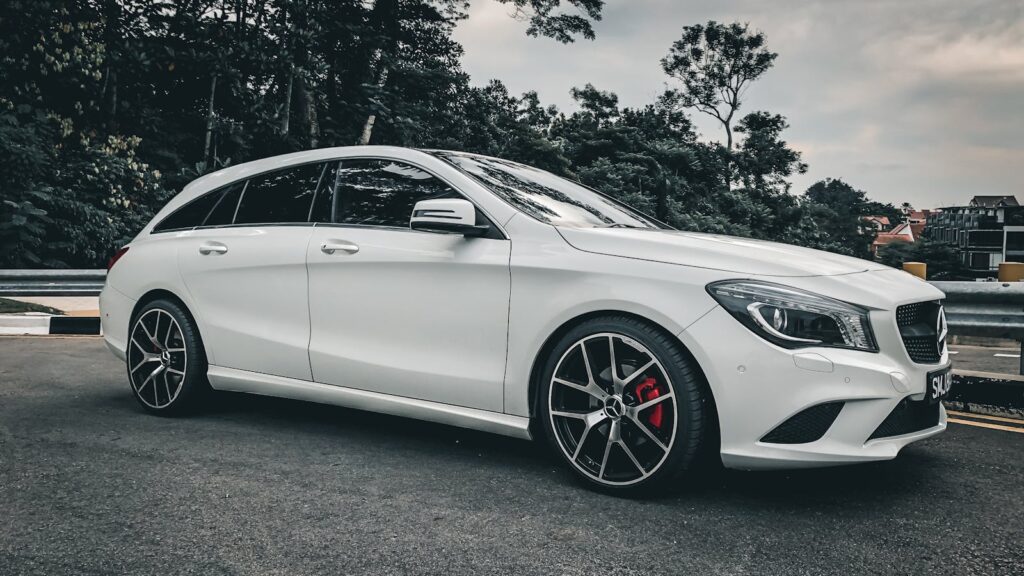
First on the list is the classic luxury car. You know the type—the shiny, brand-new models that practically shimmer in the sunlight. Think of the latest BMW, Mercedes-Benz, or Audi. While these cars are undeniably gorgeous and come packed with tech that’ll make your head spin, they’re also a recipe for financial disaster if you’re living paycheck to paycheck.
It’s not just the price tag that gets you; it’s the insurance, maintenance, and, let’s not forget, the gas mileage that can make your wallet weep. Sure, you might look like a million bucks rolling up to that dinner party, but how many dinners will it take to pay for those relentless monthly payments? If you find yourself stretched thin just to keep up appearances, it might be worth reconsidering your ride.
Sports Cars: Speed Doesn’t Equal Savings
Then we have the sports cars, which are like the high-maintenance friends of the automotive world. They’re fast, they’re flashy, and they can cost an arm and a leg. Picture a sleek red Corvette or a souped-up Mustang zooming by. There’s something undeniably thrilling about these speed demons, but owning one often means you’re racing toward financial trouble.
Not only do these beauties have high purchase prices, but they also tend to come with a side of hefty insurance premiums. And don’t even get me started on repairs! If you’ve ever seen the bill for a simple tire change on a sports car, you’ll understand why some folks are left wondering how they ended up in the fast lane to financial ruin.
The SUV Trend: Bigger Isn’t Always Better
SUVs have become a staple for families and adventurers alike. They’re spacious, they look tough, and they can handle anything from school runs to weekend getaways. But let’s be honest—some of these massive vehicles are downright ridiculous. The larger-than-life SUVs that seem more suited for a safari than a suburban driveway are often accompanied by a price tag that can make your eyes water.
While it’s super tempting to buy the latest giant SUV with all the bells and whistles, the truth is that many people stretch their budgets thin just to drive something that looks like it could haul a small army. Plus, let’s not forget the gas guzzling. If you find yourself filling up your 15-gallon tank every week, it might be time to rethink whether you really need all that space—or if you’re just trying to impress the neighbors.
The Electric Dream: The Price of Going Green
Now, don’t get me wrong—electric cars are fantastic in many ways, and they’re the wave of the future. But when you see someone driving a brand-new Tesla or a flashy Rivian, it’s easy to assume they’ve got money to burn. While these vehicles come with their perks, they can also drain your wallet faster than you can say “sustainability.”
The initial purchase price for many electric cars can be jaw-dropping, and while you might save on gas, there are still costs associated with charging, maintenance, and, let’s face it, the occasional battery replacement that’ll send your budget spiraling. It’s great to want to save the planet, but if you’re doing it at the expense of your financial health, it might be time for a reality check.
Conclusion: Drive Smart, Spend Smarter
At the end of the day, your car should be a reflection of your lifestyle, not a burden on your finances. It’s all about finding that sweet spot between what you love and what you can actually afford. If you’re driving a car that screams “bad with money,” it might be time to take a step back and reassess your priorities.
Whether you’re all about practicality or you just can’t resist that luxurious appeal, remember there’s a balance to strike. After all, a car is just a tool to get you from point A to point B—and it shouldn’t come at the cost of your financial well-being. So, next time you’re car shopping, think twice before you let your heart—and your wallet—take the wheel!