

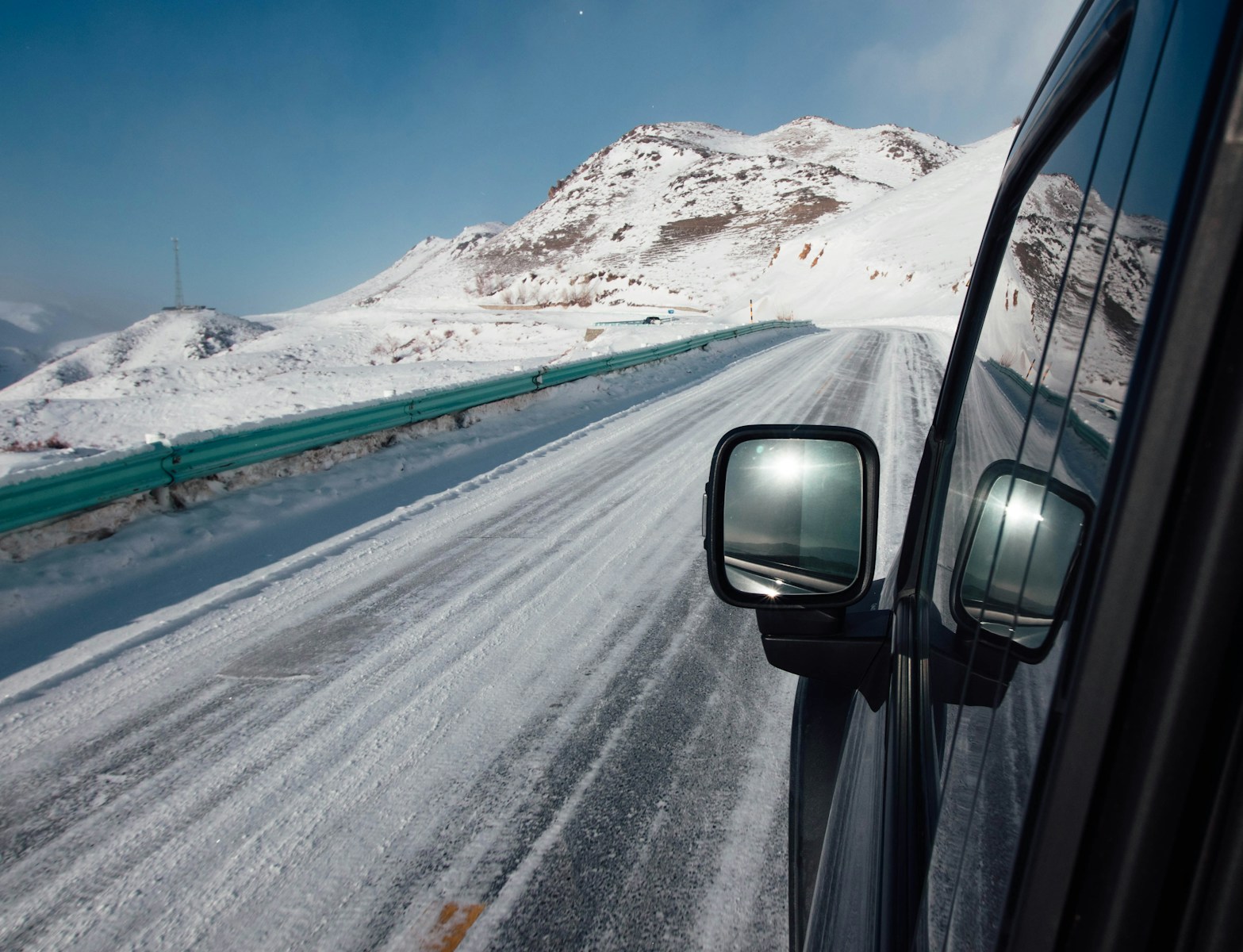
A sudden blizzard has triggered chain laws across affected highways, and you could face fines up to $500 if your vehicle lacks the required traction gear. Equip chains or approved traction devices now when signs or authorities order them, or risk tickets, towing delays, and being turned back at checkpoints.
This piece explains what triggers chain controls, which equipment typically satisfies state rules, and practical steps to avoid penalties and stay moving during the storm. Expect clear, actionable guidance on compliance and quick strategies to keep vehicles safe and legal on icy roads.
Chain Laws Activated: What Drivers Must Know Now
Drivers must carry and, when ordered, install approved traction devices; enforcement zones are usually on mountain passes and posted highways. Penalties can reach about $500 for failing to equip vehicles properly, and officers will inspect for both possession and correct installation.
Where and When Chain Requirements Are Enforced
Chain requirements activate where signs, variable message boards, or law enforcement indicate a chain control. Mountain passes, interstate corridors through high elevations, and known avalanche or drift zones are common enforcement points. Authorities often set seasonal carry periods for commercial vehicles on specific routes; outside those windows they still can require chains when conditions warrant.
Drivers should watch for posted levels such as “chains required” or “all chains on” and obey immediately. Checkpoints may verify possession (carry chains) and then require installation before entry to the controlled segment. Failure to comply at those locations can trigger fines, turnbacks, or being directed to lower elevations.
Types of Approved Traction Devices and Their Use
States accept different traction devices; common acceptable options include traditional link tire chains, cable chains, and some textile devices. Automatic tire chain systems that deploy from the cab are generally permitted where link or cable chains are allowed, but drivers should confirm device approval for the state they’re entering.
Drivers must use devices sized correctly for their tires and install them on the drive axle(s). Textile traction socks can work for short distances on light snow, but many jurisdictions still require metal chains for commercial trucks on steep routes. Never mix incompatible devices on an axle, and carry spare connectors and tensioners in case a chain breaks.
Differences in Rules by Vehicle Type and State
Rules vary by vehicle class and by state. Commercial vehicles often face stricter standards: they may be required to carry multiple chains and to install them on all drive tires during chain controls. Passenger vehicles sometimes have more leeway—snow-rated tires may satisfy requirements in some jurisdictions but not for heavy commercial rigs.
States also differ on enforcement windows and penalties. Some mandate carry requirements for months of the year on specific highways; others require chains only when signs say so. Drivers should review the state-specific chain law for their route, since what qualifies as an approved traction device, the number of chains required, and fine amounts change across borders.
How Chain Control and Chain Status Are Communicated
Agencies communicate chain controls via highway signs, electronic message boards, traffic advisories, and state DOT websites or apps. Law enforcement and DOT personnel may staff checkpoints; the posted message will state the required level such as “chains required,” “chains preferred,” or “4×4 with snow tires only.”
Drivers should monitor real-time channels: state DOT incidents pages, highway webcams, and official social feeds. When approaching a control, slow down and prepare to stop in the chain-up area. If a control is active, drivers must either install approved devices as posted or follow instructions to detour or wait until conditions improve.
Relevant guidance on state-by-state chain laws and enforcement practices can be found in a practical chain law overview and updated chain-law guides.
Penalties, Fines, and Smart Strategies for Winter Driving
Drivers can face fines for not meeting traction requirements, be stopped at chain controls, or be turned back at mountain passes. Carrying approved snow chains or alternative traction devices, knowing installation steps, and choosing routes with lower chain control risk reduce delays and penalties.
Fines for Failing to Equip Chains and Chain-Related Violations
Colorado and many mountain states enforce chain laws during severe winter storms. They can issue fines up to $500 or more for failing to carry required chains, blocking traffic with improper equipment, or ignoring posted chain controls. Agencies may impose additional citations for unsafe operation on icy roads or creating hazards at chain-up locations.
Penalties vary by road and activation level: “chains required” means chains or approved traction devices on drive wheels; lower-tier traction requirements may allow AWD vehicles meeting tread standards. Law enforcement can require drivers to pull over for inspections, order vehicles to install chains, or close lanes if noncompliant vehicles impede traffic.
For current local rules and when chain laws activate on I-70 and other routes, check the Colorado Department of Transportation’s chain law page for exact thresholds and enforcement practices: Colorado passenger vehicle traction and chain laws (https://www.codot.gov/travel/winter-driving/tractionlaw).
Tips for Carrying and Installing Chains Safely
Store chains where they are easy to reach — not buried under luggage — and keep a pair sized to the vehicle’s drive wheels. Inspect chains before travel: look for broken links, missing pieces, and clean off rust. Carry a pair of gloves, a headlamp, and a small tarp to kneel on when fitting chains on icy shoulders.
Practice installing chains in dry conditions once at home so the process takes minutes in cold weather. When fitting, park on level ground, set the parking brake, and leave hazard lights on. Tighten chains and drive a short distance, then recheck tension. Use approved alternative traction devices only if they meet the jurisdiction’s specifications; some mountain passes accept specific devices while others require traditional snow chains.
How to Avoid Trouble in Mountain Passes and High-Risk Zones
Plan routes to avoid peak chain-control areas during storms; alternate lower-elevation corridors when possible. Monitor real-time road conditions and chain control levels before departure; agencies update statuses for specific mountain passes and highways.
When approaching chain-up areas, follow posted signs and officer instructions, keep a safe distance from other vehicles, and avoid stopping in travel lanes. If turned back or detained, comply promptly to reduce secondary fines. For travelers unfamiliar with mountain driving, choose roads with fewer steep grades and pull over at designated turnout areas rather than stopping on shoulders. For specific chain-control updates and expectations on I-70 and other high-risk corridors, consult local highway authority pages such as the Colorado State Patrol’s chain law information (https://csp.colorado.gov/chain-law-information).