
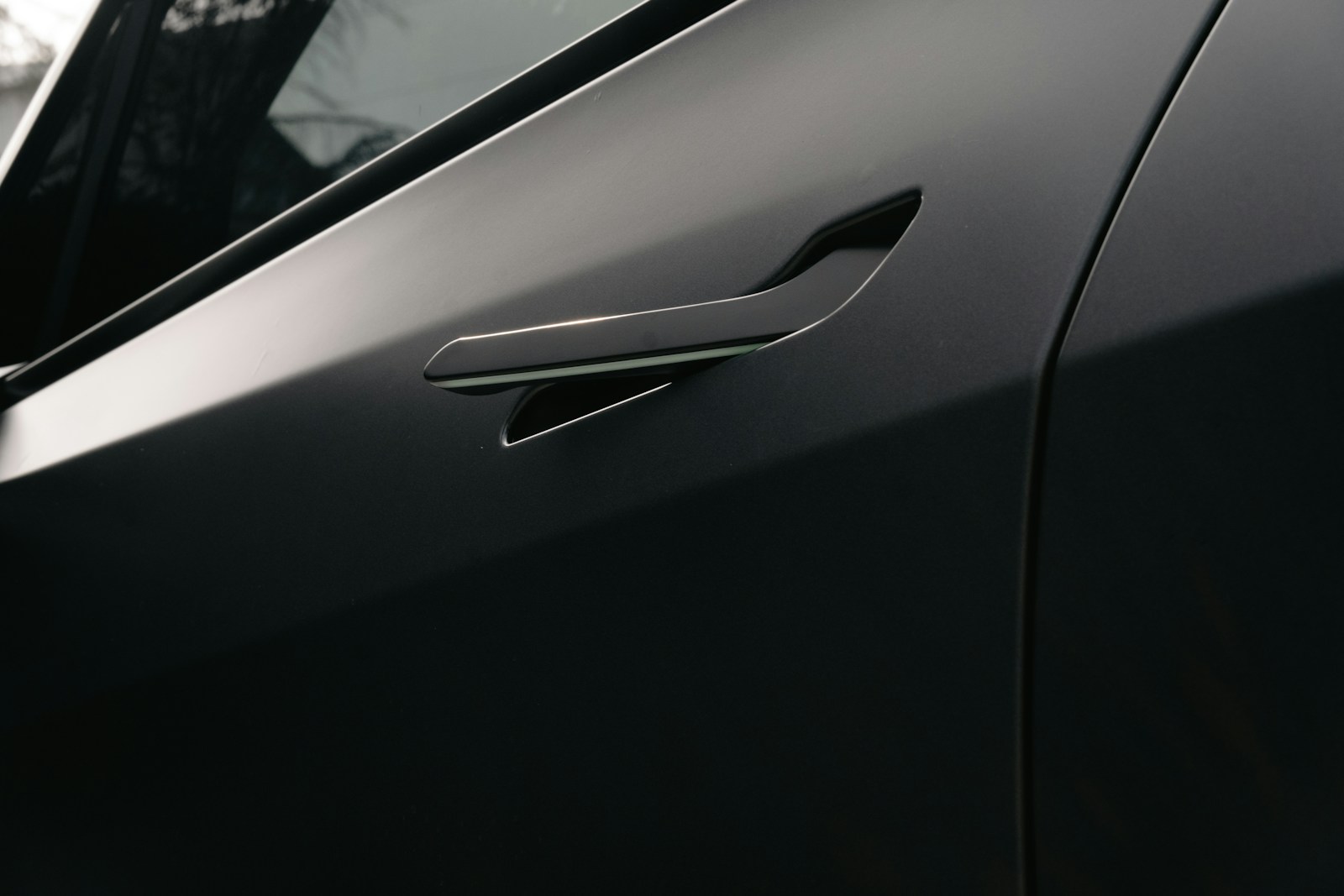

China is getting ready to pull a small but very visible design trend off its roads: the sleek, hidden door handles that sit flush with the bodywork on many modern cars. Starting in 2027, new vehicles sold in the country will no longer be allowed to use these disappearing grips, with regulators arguing that style has raced ahead of basic safety. The move takes aim at one of the auto industry’s favorite visual tricks of the electric era and signals that the next phase of car design will have to answer to a tougher rulebook.
For drivers who have grown used to tapping or waiting for a handle to glide out of the door, the change will feel like a step back toward old‑school hardware. For China’s regulators, though, it is a bet that a simple, always‑there handle is more important than a clean side profile when seconds matter in a crash or fire. And because China is such a huge market, the decision will ripple far beyond its borders.

Why China Is Turning Against Flush Handles
China’s regulators are not targeting hidden handles on a whim, they are folding them into a broader national safety push. The country’s Ministry of Industry and Information Technology has issued new rules that will prohibit hidden or retractable handles on vehicles from 2027, turning what had been guidance into a binding standard for every new model approved for sale. According to China’s Ministry, the change will apply across the board, covering both battery electric vehicles and plenty of internal‑combustion applications that have adopted the same styling cue. In other words, this is not just an electric car story, it is a rule that will touch everything from compact city runabouts to big luxury SUVs.
The core argument is straightforward: a door handle that is hidden, powered, or dependent on software can fail at the worst possible moment. Reports on the new regulations point to concerns that flush handles can jam after a crash or a battery failure, making it harder for rescuers or bystanders to pull someone out. One analysis of electric car door highlights how the handle of a Tesla can be difficult to operate after a crash or a battery failure, exactly the kind of scenario regulators want to avoid. For officials writing the rules, that risk outweighs the aerodynamic and aesthetic benefits that designers love.
The Models In The Firing Line And The Global Knock‑On
The ban lands squarely on some of the most recognizable cars on the road. Vehicles including Tesla’s Model Y and Model 3, BMW’s iX3, and other models by many Chinese brands currently rely on retractable or hidden handles that sit flush with the doors. Those designs will have to change for the Chinese market once the new rules kick in, forcing companies to rework sheet metal, door mechanisms, and even crash‑test plans. The list of affected vehicles stretches from premium imports to mass‑market Chinese nameplates, which shows how deeply the trend had taken hold. For brands that built their identity around minimalist exteriors, the rule forces a rethink of what “modern” looks like when a physical handle has to be visible and reachable at all times.
Because China is one of the world’s biggest car markets, the decision will not stay local for long. Global automakers rarely want to engineer completely different bodies for one country, so there is a strong chance that handle designs created to satisfy Beijing will end up on cars sold in Europe and North America as well. Commentators have already flagged that China will ban hidden or flush handles on all cars beginning in 2027 and have raised possible implications for global models in widely shared clips featuring Mike Valerio. If a Tesla Model Y or BMW iX3 ends up with a more traditional handle in Shanghai, it is easy to imagine that same hardware rolling out in Berlin or Los Angeles to keep production simple.
From Trendy Detail To Safety Flashpoint
Flush handles did not become popular by accident, they solved a couple of problems at once for designers and engineers. By tucking the handle into the bodywork, carmakers could clean up the side of the vehicle and shave a little drag, a handy win for electric models chasing every kilometer of range. China’s regulators initially tolerated that trade‑off, but the new rules show that the balance has tipped. Officials now want a handle that is always visible and can be grabbed without waiting for electronics to wake up, a shift that turns a once‑desirable feature into a liability. One summary of the change notes that China issues the ban as part of a move to fold the requirement into a national safety standard, not just a styling guideline.
More from Wilder Media Group: