
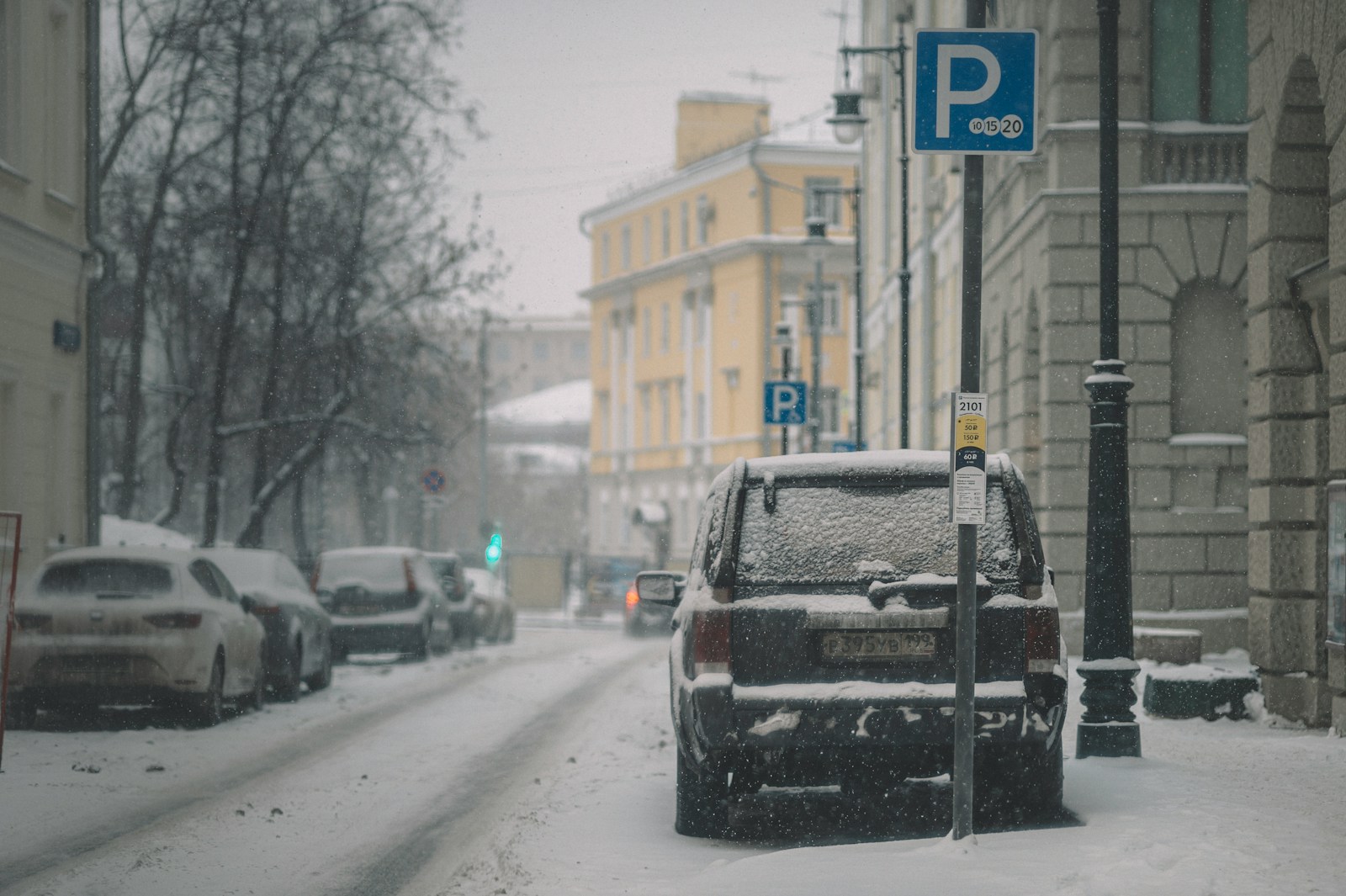

Snow is piling faster than plows can push it, and cities are expanding winter parking bans so streets can be cleared and emergency vehicles can move. You need to know where bans apply, when they start, and what happens if you ignore them — that single detail can save you from fines, towing, or being snowed in.
This post explains why municipalities are tightening rules, how those bans actually work on the ground, and the practical steps you can take to avoid surprises. Expect clear, actionable guidance so you can plan where to park, when to move your car, and how to stay one step ahead of the next snow emergency.
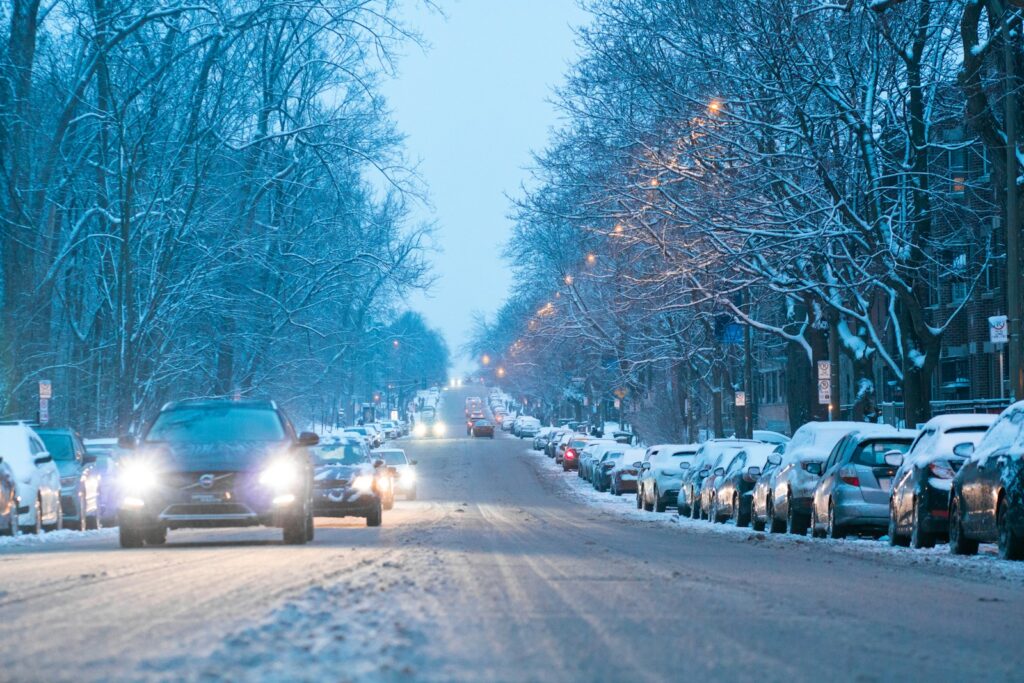
Why Cities Are Expanding Winter Parking Bans
Cities expand parking bans to keep lanes open for plows and emergency vehicles, reduce multi-day snow piles, and simplify enforcement so crews can clear streets faster and safer.
How Increased Snowfall Is Overwhelming Plows
When storms dump heavy, wet snow in short periods, plows fall behind because parked cars block curb-to-curb clearing. You see this as narrow driving lanes, deep ruts, and accumulation at corners that make turns hazardous.
Limited storage space on streets means plows push snow into tighter piles that stay through multiple storms. That slows cleanup and forces repeat passes, increasing municipal overtime and fuel costs. Cities with frequent storms now run longer plow shifts and still can’t achieve full curb clearance.
Some municipalities respond by extending seasonal bans or piloting one-sided parking to allow full-width plowing on a predictable schedule. Those changes aim to let plows remove snow to the curb in one pass, instead of shaving lanes around vehicles.
The Need for More Effective Snow Removal Strategies
You want streets cleared quickly so buses, ambulances, and garbage trucks can keep running. Seasonal parking bans give crews predictable space to stack snow and work without constantly rerouting around cars.
Alternate strategies—like designated snow storage zones, mechanical street sweepers, and contracted hauling—complement bans. Cities test one-sided parking over weeks to reduce the number of vehicle moves while improving plow efficiency. Pilots often include public outreach and exemptions for people with disabilities.
Effective strategies also reduce long-term damage: concentrated plow passes limit repeated scraping that damages pavement. They cut the time vehicles spend stranded or ticketed, and they can lower the total hours crews need to keep main and residential streets passable.
Impact of Snow Emergencies on Urban Streets
Declared snow emergencies trigger immediate parking restrictions and towing to open routes for emergency responders. You’ll notice downtown arteries and major bus corridors cleared first, while residential streets may remain narrow until bans fully take effect.
Snow emergencies increase short-term parking pressure. Without managed overnight bans, you risk tickets and loss of curb space when plows arrive. That situation can lead to displaced cars concentrated in fewer areas, creating bottlenecks and unsafe pedestrian conditions.
Cities are increasingly formalizing seasonal or alternate-side rules to prevent emergency-driven chaos. Clear, repeatable rules reduce the need for last-minute declarations and make it easier for you to plan where to park during winter weather.
How Winter Parking Bans Work and What Residents Need to Know
Cities use defined rules to clear streets quickly, keep emergency lanes open, and coordinate crews. Know when bans start, where you may park instead, and how enforcement works so you avoid tickets and get your car moved before towing.
Alternating Sides and Schedule Changes
Many municipalities use an alternating-sides system to let plows clear one side of the street at a time. You’ll see signs or online calendars that state “odd/even” days or specific hours; follow them exactly to avoid being stuck when crews swap sides. Some places require you to move by midnight on the start date; others give a narrow window such as two to eight hours.
Schedule changes happen during prolonged storms. Cities can extend bans, shift start times, or declare phased plowing (main arteries first, then neighborhoods). Check your city’s emergency alerts and the public works page — for example, St. Paul Public Works posts plow priorities and lane rules during snow events — and set phone alerts so you don’t miss last-minute shifts.
Ticketing, Towing, and Fines for Violations
Enforcement usually includes fines, booting, and towing. Fine amounts vary; typical tickets run from modest to several hundred dollars, while towing plus storage can cost much more. If a vehicle blocks plowing or emergency access, departments often tow immediately without additional warning.
To contest a ticket, gather timestamps, photos, and any permit or notification evidence. Many cities publish towing lots, fee schedules, and the appeals process online. If you have an overnight permit, note whether it’s suspended during bans—some cities explicitly void permits during snow emergencies and subject violators to the same penalties.
Special Rules for Pilot Programs and Specific Neighborhoods
Pilot programs can change where you may park during bans. Cities testing relief measures sometimes designate approved lots, park-and-ride spaces, or specific wide streets as temporary permit areas. You’ll need to read pilot rules closely: some require relocation to listed sites within hours of the ban being declared, and others limit how long you can stay after the ban lifts.
Neighborhood-specific rules often reflect street width, curbside loading needs, or historical permit zones. In dense areas with narrow streets, cities may prohibit on-street parking entirely during a ban while allowing alternate parking in municipal lots. Watch municipal announcements and signage for pilot start/end dates and the list of approved locations to avoid surprises.
Access and Safety for Emergency Vehicles
Parking bans prioritize keeping at least one clear lane for fire trucks, ambulances, and police during storms. You must not park in marked snow routes, near hydrants, or in locations that would force emergency vehicles to detour. Blocking a route can delay response times and increase your penalty risk.
Cities coordinate snow removal and emergency routing: plow maps show primary arteries and hospital/EMS corridors. If you rely on accessible parking or have medical needs, contact your local public works or emergency management office ahead of a forecast to learn about exemptions or temporary accommodations.
More from Steel Horse Rides: