
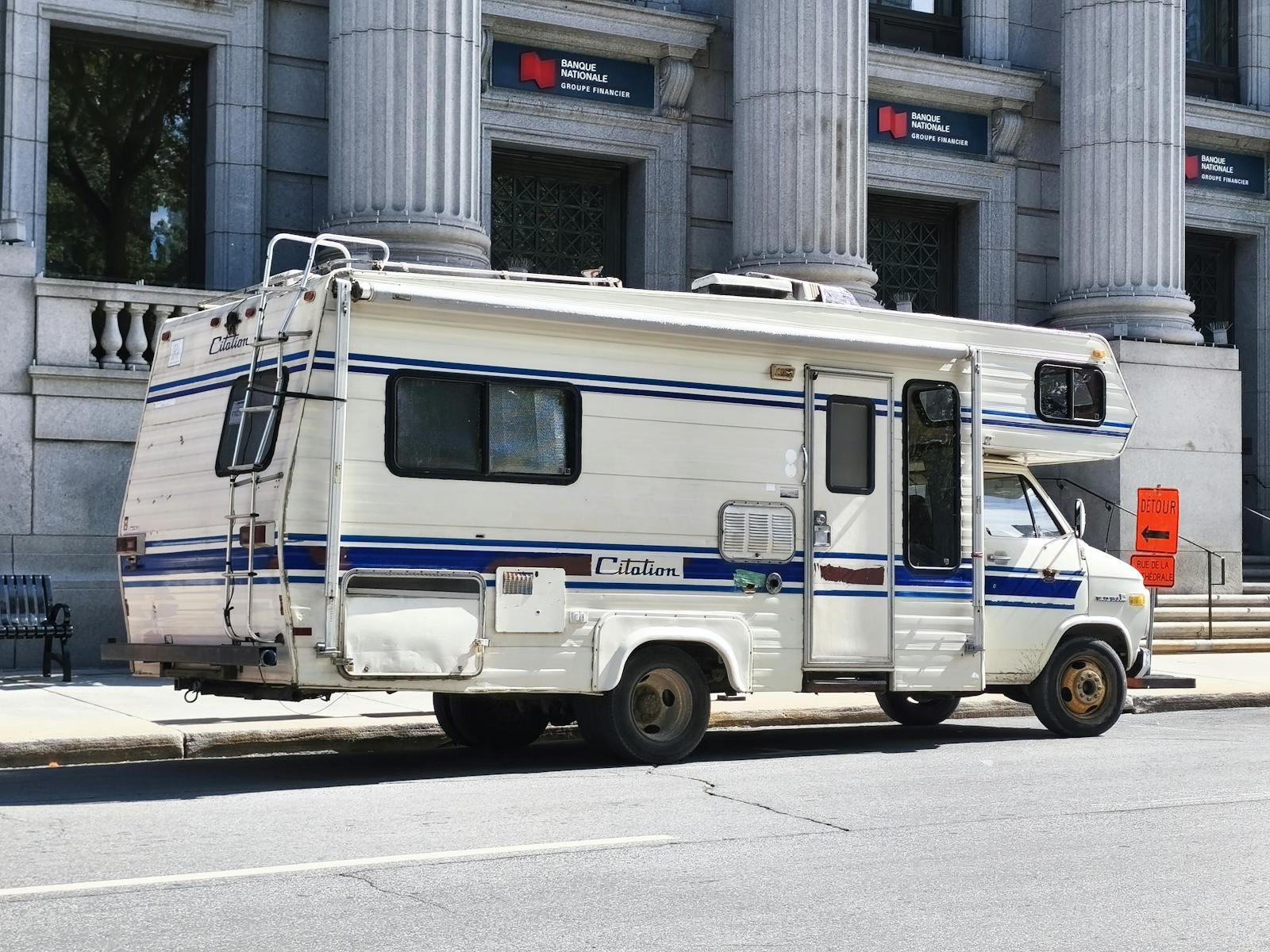

Mike Salazar thought he had done everything right. After buying a 32-foot travel trailer in 2024, the Galt, California, resident parked it in his driveway, behind his fence, where he assumed it was nobody’s business. Then a code enforcement officer knocked on his door, citing a nearly 30-year-old city ordinance that restricts where recreational vehicles can sit on residential lots. Salazar was told he could face penalties of $150 a month if the trailer stayed put.
He is far from alone. From small-town Texas to the suburbs of Los Angeles, a growing number of cities and counties are tightening rules on where RVs, travel trailers, and motorhomes can be stored, even on private property. The restrictions are catching thousands of owners off guard and fueling a political fight over who gets to decide what belongs in an American driveway.
Denison and Jackson set the tone: your yard, their rules
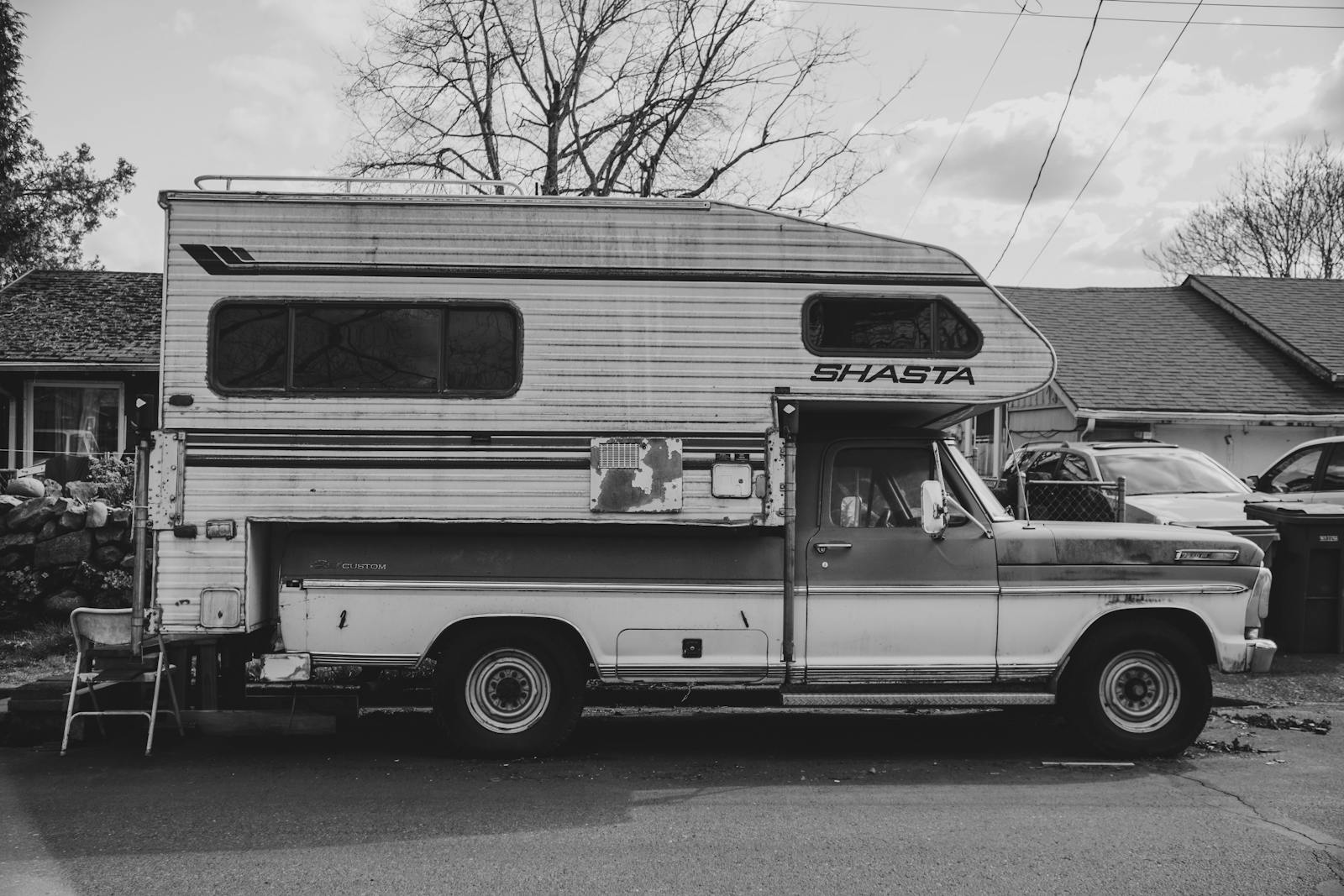
In Denison, Texas, city officials adopted an ordinance imposing a $150 fine on residents who park trailers or RVs on the street or in their front yards. The rule targets what the city describes as long-term curbside and lawn storage rather than short-term loading. For a community where wide lots and long driveways are part of the draw, the ordinance has frustrated homeowners who say they bought property specifically to accommodate large vehicles.
Denison’s rule reflects a broader pattern. According to the RV Industry Association (RVIA), more than 11.2 million households in the United States own an RV as of 2024, a figure that has climbed steadily over the past decade. As ownership has grown, so have complaints from neighbors about blocked sightlines, crowded curbs, and rigs that sit for weeks without moving. Municipalities have responded with setback requirements, screening mandates, and outright bans on front-yard storage.
In Jackson, Mississippi, the rules leave little room for interpretation. City code Section 118-347, titled “Parking in front yard of any residential property,” makes it unlawful to keep boats, RVs, trailers, or campers in open front yards on residential lots. Enforcement officers treat a motorhome parked on the grass the same way they would treat an abandoned sedan. The ordinance applies regardless of how neatly the vehicle is parked or how briefly the owner intends to leave it there.
“A lot of people assume that if they own the land, they can park whatever they want on it,” said Sara Studdard, a Texas-based real estate attorney who advises clients on municipal code disputes. “That has never really been true. Zoning has always limited what you can do with your property. What’s changed is that cities are now actively enforcing rules that used to sit on the books.”
California’s crackdowns collide with housing and homelessness politics
On the West Coast, RV parking enforcement is tangled up in larger fights over homelessness, housing costs, and neighborhood character.
In Sacramento, residents in the Tahoe Park and College Glen neighborhoods have pushed city officials to act on what they describe as a surge of oversized RVs and boat trailers lining residential streets. Complaints center on blocked sightlines at intersections, lost curb parking, and vehicles that sit unmoved for weeks. The city has responded with stepped-up ticketing and towing, though some residents argue the crackdown punishes working families who simply lack garage or driveway space.
In Galt, the backlash has been louder. After code enforcement cited dozens of homeowners under the city’s longstanding RV ordinance, Salazar launched a petition calling on the city council to update the rules. The petition gathered enough attention that council members agreed to solicit public input on whether to allow more driveway and side-yard parking. As of early 2026, the city had not yet voted on any changes, but the debate exposed a gap between the ordinance on paper and what many residents considered normal use of their property.
Further south, the Los Angeles County Board of Supervisors has expanded RV parking restrictions along residential streets in unincorporated areas. The updated rules make it easier for the county to designate specific roads as off-limits for extended vehicle stays, giving enforcement teams a faster path to respond to complaints. Supporters say the restrictions address legitimate safety concerns, including blocked fire hydrants and obstructed crosswalks. Critics, including some RV owners and homeless-services advocates, argue the rules criminalize people who have nowhere else to go.
Morton, Washington, goes further: living in an RV declared a nuisance
Some cities have moved beyond parking rules into territory that directly challenges how people use RVs as housing. In Morton, Washington, the city council adopted Ordinance 2026-06, which declares living in an RV within city limits a public nuisance. The measure amends local code so that residents who use recreational vehicles as long-term dwellings on private property face the same enforcement actions applied to other nuisance violations, including abatement orders and fines.
The ordinance drew sharp reactions. Morton, a timber town of roughly 1,100 people in Lewis County, has seen some residents turn to RVs as affordable alternatives to conventional housing in a market where even modest homes have become harder to find. The council framed the measure as a health-and-safety issue, citing concerns about sanitation, utility hookups, and fire risk. But opponents say it punishes people for being priced out of traditional housing without offering any alternative.
“You’re telling someone they can’t live in a vehicle on land they own, but you’re not building them a house,” said one Morton resident who spoke at a council meeting but asked not to be named. “That’s not code enforcement. That’s just displacement.”
What RV owners can do: storage, advocacy, and knowing the code
For owners caught in the crosshairs of tightening rules, the options are limited but not nonexistent.
Off-site storage is the most common workaround. According to SpareFoot, a storage marketplace, outdoor RV storage lots typically charge between $50 and $250 a month depending on location and vehicle size, with covered and indoor options running significantly higher. In metro areas like Los Angeles and Sacramento, waitlists for affordable RV storage can stretch months.
Code review matters. Many ordinances distinguish between front-yard, side-yard, and rear-yard parking, and some allow RVs on driveways if they meet setback requirements and do not block sidewalks or sightlines. Owners who receive a citation should request the specific code section and compare it against their property layout before paying a fine or moving the vehicle.
Advocacy is growing. Groups like the Family Motor Coach Association (FMCA) and regional RV owner coalitions have begun tracking municipal ordinances and, in some cases, organizing testimony at city council meetings. In Galt, the petition effort led directly to a public review process. In other cities, owners have successfully lobbied for grandfather clauses or permit systems that allow existing RV parking to continue under certain conditions.
The broader trend, though, is clear. As RV ownership continues to grow and suburban density increases, the friction between owners and local governments is unlikely to ease. For millions of Americans who see their RV as a symbol of freedom, the new reality is that where you park it may matter as much as where you drive it.
More from Wilder Media Group: