
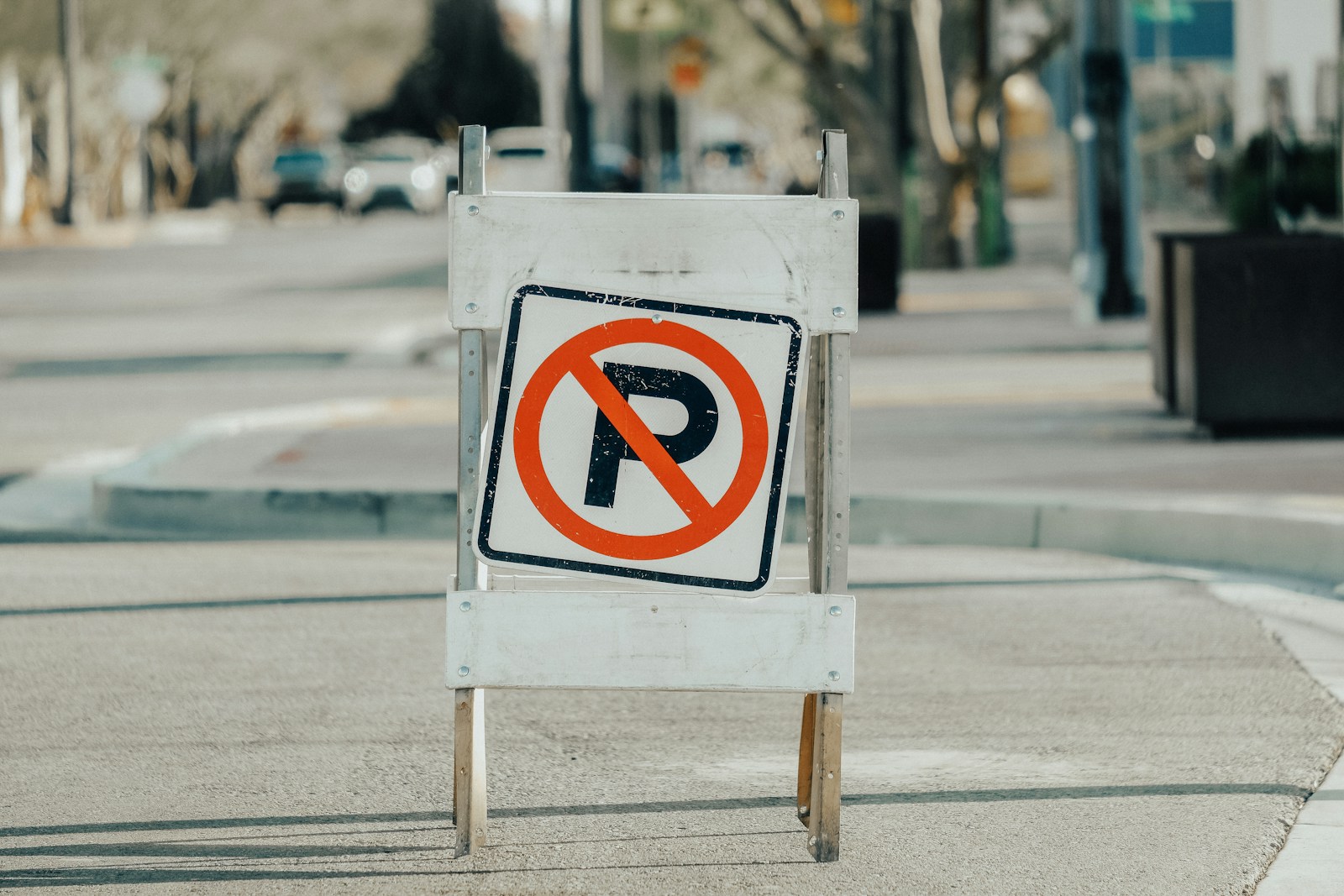

You might pull into a spot and find a fresh “No Parking” sign you didn’t see yesterday. Cities now use temporary signage and painted curbs to quickly change where you can park — often for events, construction, or to improve crosswalk visibility — and those changes can appear with little notice.
Know that temporary signs can immediately restrict curb space and carry real enforcement risk, so watching for them matters when you park.
You’ll learn why municipalities deploy these short-term measures, how they choose locations, and what that means for your daily routine and local businesses.
Expect practical examples and the common questions people raise about fairness, notification, and enforcement as you follow how cities are expanding no-parking zones with lightweight tools like temporary signs and curb paint.
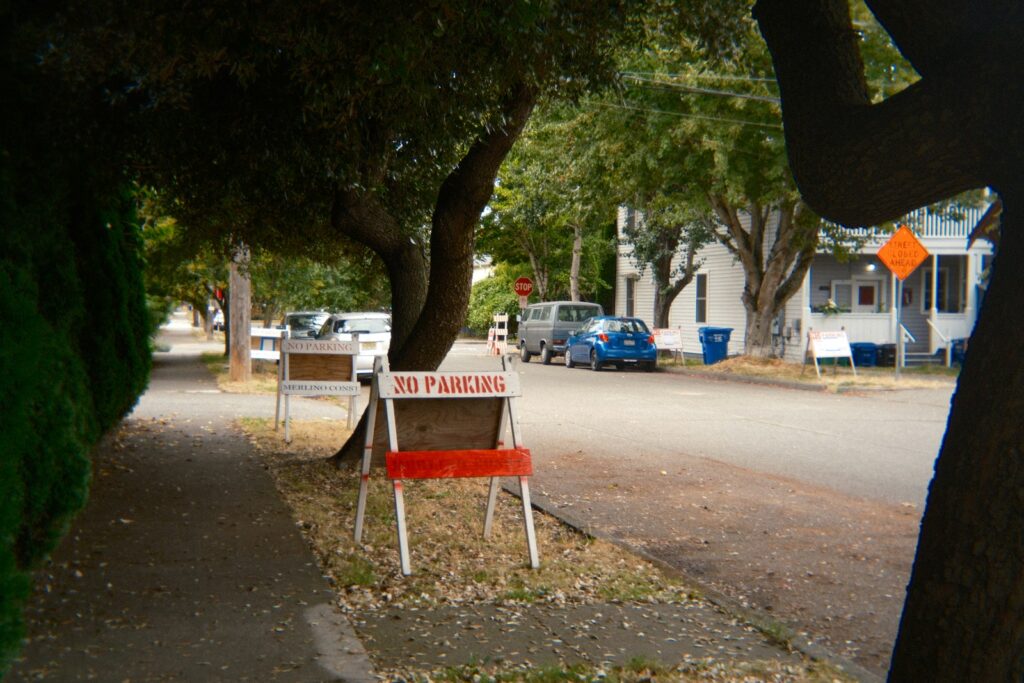
How Cities Are Expanding No-Parking Zones with Temporary Signage
Cities increasingly use short-term signs and permits to change on-street parking quickly for safety, construction, events, and transit needs. You’ll learn what temporary no parking setups do, how you or your project manager apply for them, the rules that govern posting and enforcement, and the recent patterns shaping on-street restrictions.
Purpose and Types of Temporary No Parking Zones
Temporary no parking zones protect work areas, clear curb space for loading, and keep lanes open for emergency vehicles. You’ll see them near building construction, film shoots, parades, utility work, and curbside deliveries. Cities typically distinguish between emergency/short-duration signs (hours) and longer temporary controls (days or weeks).
Signs come as city-issued metal placards, printed vinyl on A-frames, or integrated digital noticeboards. Some programs allow property owners or contractors to post portable “No Parking” signs after getting a street use permit. Others require city crews to install the sign to ensure correct placement and visibility.
You should note the sign type affects enforcement. Official city signage usually lists permit number, effective dates, and towing instructions. Temporary signs without those elements may not be legally enforceable and can’t be used to authorize towing.
Application and Approval Process for Temporary Signs
Start by checking your municipality’s street use permit rules; many cities publish an online permit application and fee schedule. You’ll need to supply location by block face, start/end times, a site plan showing sign placement, and proof of insurance for work near travel lanes.
Smaller, routine requests (e.g., residential moving) often get same-day or 48-hour approvals. Larger closures for construction or events require multi-week lead time, traffic control plans, and public notification. Expect additional approvals when work affects bus stops, bike lanes, or ADA access.
After approval, the permit will specify who can install signs and what wording to use. If the city requires installation by its crew, you’ll coordinate a pickup or installation window. Retain the permit onsite and display the permit number on the temporary no parking signs as many enforcement officers check this before issuing citations.
Key Regulations for Posting and Enforcement
Regulations usually dictate sign size, wording, mounting height, placement distance from intersections, and advance notice time. Common rules require signs to indicate start/end dates and towing authority clearly, and to be placed 48–72 hours before restriction begins for non-emergency postings.
Enforcement relies on visible permit details and compliance with placement standards. Parking enforcement officers and towing companies confirm the permit number before ticketing or towing. If signs violate municipal specs (wrong wording, missing dates, improper placement), citations can be voided and illegal towed vehicles may be eligible for restitution.
You must also follow accessibility rules: temporary signs cannot block curb ramps, bus stops, or bike lanes unless the permit includes an approved replacement for those facilities. Violating ADA or transit access requirements can trigger fines and work stoppage.
Recent Trends in On-Street Parking Restrictions
Cities favor low-cost, flexible tactics like paint-and-sign daylighting and short-term no parking zones to improve sightlines and safety quickly. Your city may pilot “pop-up” curb changes with temporary signs before committing to permanent curb reconfiguration.
Agencies also streamline permitting with online maps showing available block faces, fees, and active permits so you can see existing restrictions. That transparency reduces conflicts and helps you pick a less disruptive time for your activity.
Finally, expect growing coordination among parking, transportation, and public-safety departments. They now review temporary no parking requests for impacts on transit lanes and bike corridors, which means your application will need to address multimodal access and may require mitigation measures like temporary bus boarding zones or protected bike detours.
Impacts and Community Concerns Around Temporary No Parking Signs
Temporary no-parking signs change how you access streets, use curb space, and expect emergency vehicles to move. They affect residents, businesses, and city traffic plans in concrete, measurable ways you’ll want to watch for.
Emergency Access and Public Safety Considerations
You need clear emergency access; temporary signs can help or harm that goal. If temporary signage prevents parking on narrow residential streets during school pickup, it can open a single-lane route for fire engines and ambulances. But signs placed without coordination can create confusion: drivers may ignore poorly anchored or unlit signs, leaving double-parked cars that still block emergency vehicles.
Enforcement matters. If police or parking enforcement don’t follow up, temporary signs become symbolic and fail to reduce risk. You should expect jurisdictions to document clearance standards, permit emergency exceptions, and provide advance notice to residents. When towns like Prosper install time-limited zones for school hours, they fund signs from local street budgets to ensure proper installation and visibility (example of local practice: https://communityimpact.com/dallas-fort-worth/prosper-celina/government/2025/01/23/town-adds-streets-to-prospers-no-parking-zones-following-resident-safety-concerns/).
Effects on Local Residents, Businesses, and Events
You’ll feel immediate impacts to daily parking routines when on-street parking disappears temporarily. Residents who rely on curb parking for multiple vehicles may need permits or exceptions; without those, they risk fines or moving cars at short notice. Businesses lose customer curb access that supports deliveries and short visits, especially restaurants and retail that depend on quick-turnover spaces.
Events complicate things further. A festival or construction staging area can consume blocks of curb space via temporary no parking signage, forcing rerouting of deliveries and shifting valet or drop-off points. Clear communication—printed notices, targeted emails, and visible signage—reduces conflict. You should watch for municipal policies that allow homeowner exemptions or temporary permits for impacted residents and merchants.
Traffic Flow and City Planning Challenges
Temporary no-parking zones alter traffic flow patterns immediately and sometimes permanently. Removing parking can widen travel lanes and improve bus throughput, but it can also encourage higher speeds where parked cars previously calmed traffic. You need data from before-and-after counts to know if the change improves circulation or simply displaces congestion to nearby streets.
Planners face trade-offs between short-term needs (construction staging, event logistics, emergency access) and long-term goals (parking reform, transit priority). Inconsistent signage—handwritten, improperly placed, or short-notice—creates rerouting, additional curb demand, and confusion about parking rules. For reliable outcomes, require standardized parking signage, publish temporary no-parking maps, and track impacts on traffic, curb utilization, and local complaints so your city can adjust the approach.
More from Steel Horse Rides: