
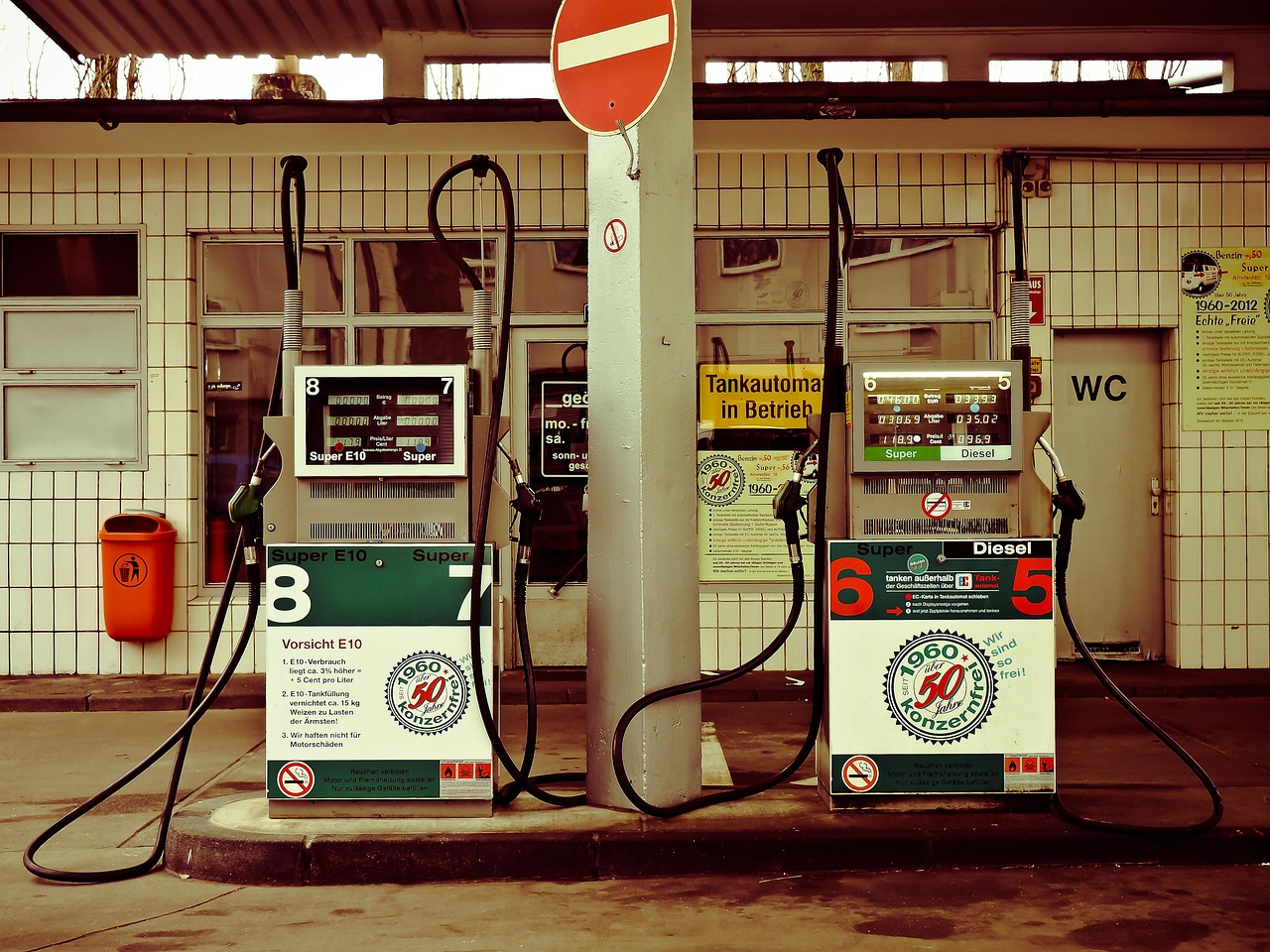

Card skimmers at gas stations turn a routine fill‑up into a fast track to fraudulent charges. The devices are small, cheap, and designed to blend in so well that most drivers never notice them until their bank sends an alert. Learning the clear warning signs at the pump gives everyday customers a real shot at spotting trouble before a card ever leaves a wallet.
With a little practice, anyone can scan a pump in a few seconds and catch the red flags that security pros look for. From loose hardware to sketchy Bluetooth signals, the clues are there if people know where to look and what feels off.
How Gas Pump Skimmers Actually Steal Card Data
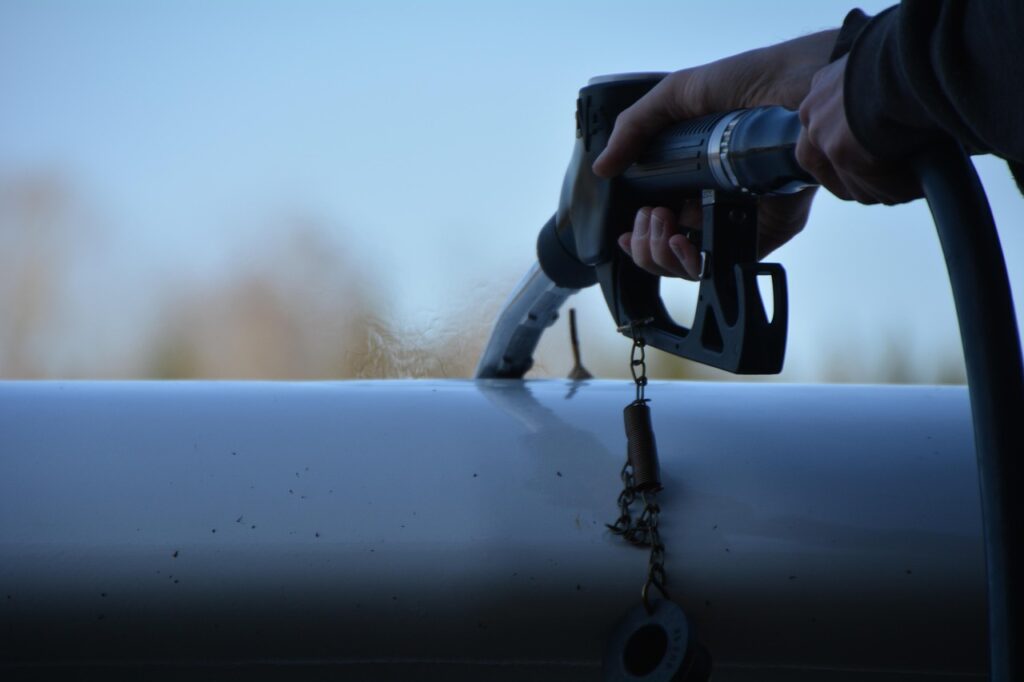
Before anyone can spot a bad pump, it helps to understand what is actually hiding there. Skimmers are small electronic devices criminals install on or inside payment terminals so they can quietly copy data from the magnetic stripe of a credit or debit card. State investigators describe Card skimmers as compact add‑ons that sit in the path of the card swipe, quietly harvesting account details that can later be used to clone cards or run online transactions. At gas stations, thieves like pumps because they sit outside, often with minimal staff oversight, which makes it easier to open panels and slip hardware into place without drawing attention.
Some setups are simple, just a reader that copies the stripe, while others pair the skimmer with a tiny camera or fake keypad to capture PINs as well. A public Public Safety Tip on pump fraud explains that criminals install a device that sits between the real card slot and the payment system so every swipe passes through their gear first. Credit unions warn that these Credit card skimmers are discreet smart devices, often with their own storage or wireless transmitters, which means a single hidden unit can quietly collect data from a long line of drivers before anyone realizes what happened.
Why Gas Stations Are Prime Targets
Gas stations are a sweet spot for card thieves because the layout does a lot of the work for them. Pumps sit outdoors, spread across a lot, and staff inside the store cannot watch every transaction in real time. Security specialists point out that Gas stations make easy targets because the equipment is accessible, customers are in a hurry, and most people assume the pump is safe by default. That combination gives criminals time to open cabinets, attach hardware, and leave without anyone thinking twice.
On top of that, a single compromised pump can hit a lot of wallets. State agriculture officials note that Card skimmers inside pumps have been linked to large numbers of fraudulent charges per device, since drivers cycle through the same lanes all day. Consumer advocates add that pumps located farther from the store, especially at 24‑hour locations, tend to be more attractive because they are less visible to employees, which is why some safety guides urge drivers to favor pumps closest to the building as one of several How to cut risk.
External Skimmers: Bulky, Loose, Or Just Plain Off
The easiest skimmers to catch are the ones that sit on top of the real hardware. These external units are designed to mimic the pump’s card slot or keypad, but they often look a little bulkier or feel loose compared with neighboring pumps. Security pros advise drivers to gently tug on the card reader and PIN pad before paying; if anything shifts, creaks, or feels like a separate shell, that is a major red flag. A banking guide on skimming warns that Bulkiness on the card insert slot or keypad, especially when it looks different from other pumps at the same station, can signal a device that does not belong.
Drivers are also told to watch for tape, glue, or mismatched plastic around the reader. One checklist for spotting fraud at an ATM highlights tape and sticky residue on any part of the machine as a sign that something was attached and removed or adjusted. Community banks echo that advice, urging customers to Look closely at the card reader and compare it with others; if one slot is a different color, shape, or material, or if the graphics do not line up, it may be a fake cover sitting on top of the real reader.
Internal Skimmers: When The Pump Looks Normal
The tougher threat is the internal skimmer that hides inside the pump cabinet. In these cases, thieves unlock the panel and attach a device directly to the wiring or data port, so nothing on the outside looks obviously wrong. A credit union guide on What types of skimmers exist notes that some units are attached to the internal wiring of a terminal and are not visible at all, which means even a careful visual check might not catch them. Local law enforcement has echoed that warning, explaining that internal card skimmers are hidden inside the pump and only discovered when technicians open the door and see extra hardware trying to connect to the system.
Because customers cannot see inside the cabinet, the best defense is to look for signs that someone else has been in there. Federal consumer advisers tell drivers to Look at the pump panel and make sure it is closed and does not show signs of tampering, such as broken locks or gaps. Many stations now place security seals over the cabinet door, and guidance notes that Many of those labels are designed to read “void” if the panel has been opened. A separate safety bulletin on many gas stations reinforces that a broken or missing seal is a strong hint that someone has accessed the inside of the pump and that customers should move to another lane or pay the cashier instead.
Card Reader Red Flags You Can See And Feel
Even when a skimmer is subtle, the card slot itself often gives it away. Security teams urge drivers to compare the reader on their pump with others at the same station and ask whether it looks like it came from the same factory. Federal advice suggests checking whether the card reader Does look different from other readers at the station, such as one pump having a gray plastic bezel while the rest are black. A separate consumer alert repeats that drivers should Make sure the pump panel is closed and the reader is firmly attached, since any wobble or misalignment can signal a fake front.
Touch is just as important as sight. Banking guides advise people to grip the reader and give it a firm wiggle before swiping, echoing the tip that customers should Just grab and pull on the card reader before using it. Another community bank notes that customers can also try to move the keypad or reader slightly, and if it shifts or feels like it is sitting on top of another device, that is a sign of a skimmer. A separate explainer on ATM fraud adds that if inserting or removing a card is unusually hard, or the slot feels rough instead of smooth, that friction can indicate extra hardware in the way Before the card reaches the real reader.
Keypad, Screen, And Hidden Camera Clues
Skimmers do not always stop at the card slot. To drain a debit account, thieves also need the PIN, so they often pair the reader with a fake keypad or a tiny camera aimed at the buttons. Fraud specialists warn that a keypad that looks thicker than usual, sits at a strange angle, or feels spongy can be a plastic overlay sitting on top of the real pad. One fraud alert on how to detect pump scams tells customers to Check the pump panel and keypad for anything that looks added on, and notes that a loose or bulky pad can be a sign of tampering. A separate guide on ATM security explains that a Loose or bulky card reader or keypad that sticks out more than usual may be a skimmer attached over the real one.
Hidden cameras are another favorite trick, and they are often tucked into places customers rarely inspect. A video guide on how to spot card fraud urges people to check for tiny holes or shiny spots on the machine or nearby surfaces where a hidden camera might be when paying, advice that financial educator Ordilly reinforces by telling viewers to cover the keypad with a hand every time. Another fraud alert notes that a small plastic bar or brochure holder mounted directly above the keypad may conceal a hidden camera. Consumer advocates add that if the screen shows odd prompts, such as asking for a PIN on a credit‑only transaction, or if the interface looks different from other pumps at the same station, drivers should cancel the sale and move on.
Security Seals, Doors, And Other Tampering Signs
One of the clearest signs that a pump has been opened is a damaged security seal. Many stations place bright stickers across the seam of the pump cabinet so any attempt to open the door breaks the label. Federal consumer guidance explains that label seals are designed so that if the cabinet is opened, the sticker will read “void,” and customers are urged to skip any pump where the seal is broken or missing. A separate safety explainer notes that security seals are now common at many gas stations as an added layer of protection against tampering, and that awareness of those stickers, coupled with a quick glance before paying, can catch a compromised pump early.
Hardware around the door can also tell a story. Law enforcement officers have pointed out that if the metal doors to the pump look bent, the lock appears drilled, or the panel does not sit flush, that is a red flag that someone has forced entry. A public Public Safety Tip on pump fraud advises customers to walk away if anything on the pump looks like it has been pried open or reassembled. Another version of that How to spot guidance stresses that if a pump looks like it has been tampered with in any way, drivers should not use it and should alert the clerk. A related Spot advisory adds that awareness of these physical cues, combined with simple habits like choosing pumps in direct view of the cashier, can significantly cut the odds of running into a compromised terminal.
Using Your Phone And Bluetooth To Sniff Out Skimmers
Some modern skimmers use Bluetooth so thieves can collect stolen data wirelessly without returning to the pump. That wireless trail gives customers another way to check for trouble using a smartphone. One community bank explains that Here is how to use a phone to check for Bluetooth card skimmers: once at the pump, open Settings, select Bluetooth, and look at the list of nearby devices. If an odd device name appears that does not match a car, headset, or other obvious gadget, especially something labeled with a string like “HC‑05” or “BT‑Skim,” that can be a sign of a hidden skimmer broadcasting nearby.
Local community groups have even shared step‑by‑step posts urging neighbors to use this trick when they suspect a particular station. In one discussion about Bluetooth and pump fraud, residents were advised that if they can narrow down which pump might be compromised, they should open their phone’s Bluetooth settings and see if there is an unfamiliar device that appears only when standing near that unit. A separate smartphone guide notes that devices in range will be listed on the screen, and that while not every strange name is a skimmer, an unexplained signal at a lonely pump should be treated as one more reason to pay inside.
More from Wilder Media Group: