

You’ll learn why some vehicles keep moving when temperatures plummet while others stall out or struggle with corrosion, weak heaters, and traction loss. This article shows which models deliver dependable cold‑weather performance and why those traits matter for daily life in snow and ice.
They’ll cover practical features like all‑wheel systems, heaters, corrosion resistance, and battery management, plus how those elements interact on real winter roads. Expect clear comparisons across SUVs, trucks, and crossovers so you can judge which options fit your winter needs.
Subaru Outback
The Outback earns winter praise for standard AWD and higher ground clearance, which help it handle snow and slush with confidence. Owners often note durable drivetrain components that keep working in cold weather.
Some model years have recurring issues like CVT complaints and electrical faults; buyers should check specific year reliability before purchasing. For a year-by-year reliability rundown, see this best and worst Subaru Outback years guide.
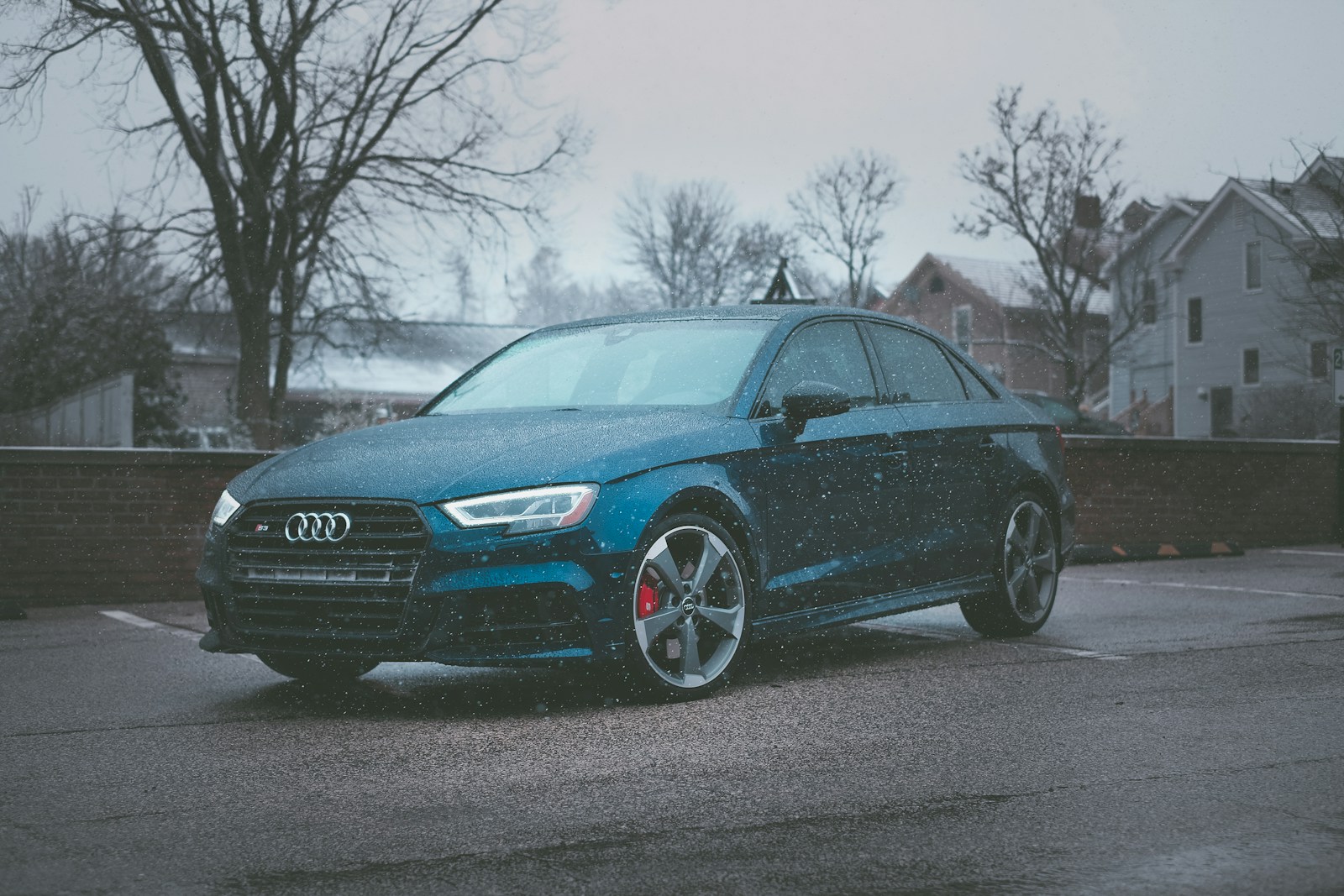
Audi Quattro A4
The A4’s Quattro all-wheel-drive helps maintain traction on snow and icy roads, making it a solid daily driver in winter.
Drivers still benefit from careful throttle control and quality winter tires for best results.
Interior features like available heated seats add comfort during cold starts.
Owners report Quattro gives a noticeable edge over front-wheel setups in slippery conditions (see a guide on A4 winter driving).
Toyota 4Runner
The 4Runner brings durable construction and part-time four-wheel drive that helps in packed snow and rough winter trails. Owners praise its traction control and high ground clearance for getting through deeper drifts.
Its factory all-season tires and heavier curb weight still leave it less ideal for icy roads without winter tires. Reviews and long-term tests note capable systems, but performance depends on tire choice and driver technique.
See a hands-on winter test of the new model for real-world cold-weather behavior. (https://www.youtube.com/watch?v=7aYT_Do5P6A)
Jeep Grand Cherokee
The Grand Cherokee handles winter commutes with capable 4×4 systems and available traction tech that keep it steady on packed snow. Drivers appreciate heated seats and mirrors for comfort and visibility in cold spells.
Its weight and ground clearance help plow through deeper drifts, though winter tires greatly improve confidence and stopping distance. Reviews note some model-year differences in reliability, so buyers should check maintenance history before buying.
Ford F-150
The F-150 earns a strong reputation for winter work thanks to available 4WD, good ground clearance, and stability systems that help on snow and ice.
Drivers praise its engine torque and durable build for starting and hauling in cold conditions.
Proper winter tires and routine cold-weather prep make a bigger difference than trim alone.
For notes on trim-specific cold-weather options and equipment, see this guide to Ford’s cold-weather package details.
Tesla Model Y (with heat pump)
The Model Y’s heat pump generally improves cold-weather efficiency, letting it keep cabin warmth with less battery drain. Owners reported better range retention compared with resistive-only systems in many tests, though real-world results vary by driving and temperature.
Some vehicles experienced heat-pump failures in extreme cold, leaving drivers reliant on seat heaters and cabin preconditioning. Tesla published cold-weather guidance for owners to follow best practices and reduce risk during harsh conditions: https://www.tesla.com/ownersmanual/modely/en_us/GUID-F907200E-A619-4A95-A0CF-94E0D03BEBEF.html
Mazda CX-5 AWD
The CX-5’s AWD system helps shift torque to the wheels with grip, which improves traction on packed snow and slush. Winter tires make a noticeable difference for stopping and cornering in low temperatures.
Its stability and traction controls work quietly in the background, keeping the SUV composed during light-to-moderate winter conditions. Drivers should still avoid deep, unplowed snow and use caution on ice.
Owners report confidence in hills and ordinary snowbanks, especially when the vehicle is equipped with cold-weather options and proper tires. Mazda CX‑5 winter performance reviews show consistent praise for its handling.
Volvo XC90
The XC90 handles cold weather well when equipped with all-wheel drive and winter tires. Owners praise its heated seats, strong cabin insulation, and steady traction control.
Some model years have reliability issues, so buyers should research specific years and repairs. Reviews and complaint data highlight better reliability in later refresh models.
Chevrolet Tahoe
The Tahoe handles cold starts well with available block heaters and strong batteries, so it rarely stalls on chilly mornings. Drivers report confident road manners on salted highways when equipped with all-wheel drive and winter tires.
Some model years show spotty reliability, so buyers should check year-specific reviews and recalls before choosing one. For guidance on dependable and problematic Tahoe years, consult a reliability roundup like the one from CarsCounsel.
Honda CR-V AWD
The CR-V’s Real Time AWD helps distribute power to the wheels that need it most, improving traction on snow and slush. Owners report it works well for everyday winter roads but isn’t a substitute for winter tires.
In very cold extremes some hybrids have shown cold-start or battery issues, so winter performance can vary by model year and conditions. Drivers in harsh climates often add winter tires and consider heaters or winterization options.