
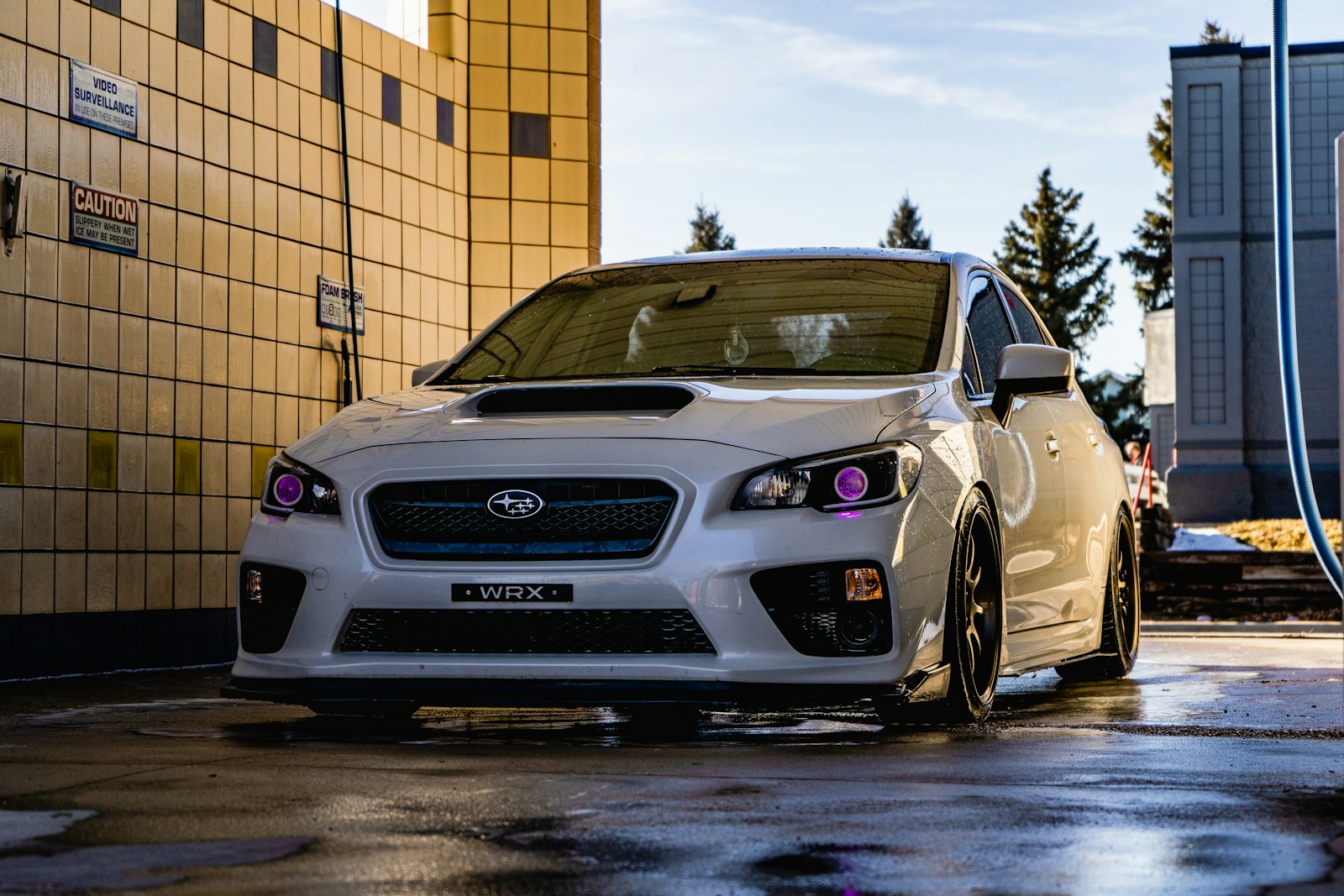

Toyota has long held a reputation as one of the automotive industry’s most dependable brands, but that status has changed according to Consumer Reports’ latest findings. Subaru has dethroned Toyota to claim the number one spot in Consumer Reports’ reliability rankings, marking a significant shift in the automotive landscape.
The shake-up comes after years of Toyota and its luxury division Lexus dominating the top positions. Recent problems with certain Toyota models have contributed to the brand’s slip in the rankings, while Subaru has maintained consistency across its lineup.
This change reflects broader trends in automotive reliability and raises questions about what factors led to Toyota’s decline. The rankings are based on extensive survey data from Consumer Reports members who reported detailed information about problems they experienced with their vehicles over the previous 12 months.

Subaru Surpasses Toyota: A Shift in Reliability Rankings
Subaru dethroned Toyota and Lexus to claim the top position in Consumer Reports’ 2024 brand reliability rankings, marking a significant shift in the automotive hierarchy. The rankings revealed notable movements among Asian brands, German brands, and domestic automakers based on extensive owner survey data.
How Subaru Claimed the Number One Spot
Subaru jumped from eighth position in the 2024 Consumer Reports survey to claim the most reliable brand title in their 2025 rankings. This dramatic rise represented one of the most significant movements in the brand rankings.
The automaker’s success stemmed from consistent performance across its model lineup. The Impreza emerged as Subaru’s most reliable model, while the Crosstrek ranked as the third most reliable vehicle overall. The Forester Hybrid achieved just above-average reliability, and the standard Forester scored average marks.
Even Subaru’s sporty vehicles performed well. The BRZ coupe and WRX sports car both earned above-average reliability ratings. The three-row Ascent SUV, despite being the brand’s oldest model, maintained average reliability scores.
According to Steven Elek, head of Consumer Reports’ auto data analytics, Subaru’s achievement wasn’t about breakthrough technology but rather a methodical approach to vehicle manufacturing and quality control.
Key Findings from the 2025 Brand Reliability Rankings
The 2025 brand reliability rankings showed Subaru at the top, followed by Toyota in second place and Lexus in third. Honda rounded out the top five alongside BMW, demonstrating strong performance from both Asian brands and select German brands.
Consumer Reports based their rankings on data from approximately 380,000 vehicles. The survey tracked 20 specific trouble areas ranging from minor issues like broken interior trim to major problems involving engines, transmissions, and electric vehicle batteries.
To qualify for brand rankings, manufacturers needed data for at least two models from a minimum of two model years between 2023 and early 2026. Several luxury brands including Alfa Romeo, Jaguar, Land Rover, and Maserati didn’t meet these requirements due to insufficient data.
Top Five Most Reliable Brands (2025):
- Subaru
- Toyota
- Lexus
- Honda
- BMW
Impact on Most Reliable Car Brands
The shift disrupted the long-standing dominance of Toyota and Lexus as the most reliable car brands. For years, these two manufacturers had traded the top position between themselves, making Subaru’s ascent particularly noteworthy.
However, Toyota reclaimed the crown in subsequent 2025 reliability rankings. The rankings fluctuated as manufacturers addressed quality issues and introduced new models. Toyota’s return to the top spot came after improvements to models like the Camry and Tundra.
The competition between these brands highlighted how reliability rankings can shift based on recent model performance rather than historical reputation alone. All three top brands followed similar principles including using shared components across model lines and making conservative, incremental changes during redesigns.
Performance of Other Top Brands
Domestic automakers struggled in the rankings compared to Asian brands. General Motors vehicles using the Ultium platform, including the Cadillac Lyriq and Chevrolet Blazer EV, received below-average or well-below-average reliability ratings.
German brands showed mixed results. BMW secured a top-five position, but many luxury manufacturers faced challenges with their electric and plug-in hybrid models. Several BMW plug-in hybrid variants scored lower than their gasoline-only counterparts.
Tesla made the biggest improvement among all manufacturers, climbing eight spots to ninth place. The Model 3 became the most reliable electric car, while the Model Y earned recognition as the most reliable electric SUV. Tesla addressed previous quality issues with body hardware, paint, trim, and electrical accessories that had plagued earlier models.
Mazda experienced the most significant decline, dropping eight positions. The brand’s new CX-70 and CX-90 SUVs suffered from reliability problems in both conventional and plug-in hybrid versions, dragging down the manufacturer’s overall performance in the brand rankings.
The Decline of Toyota and Lexus: What Changed?
Toyota’s drop from its longstanding reliability throne stems from struggles with newly redesigned models and powertrain issues, particularly affecting the Tacoma and Tundra pickups. The brand’s push toward electrification and new engine technologies introduced problems that weren’t present in their previous, time-tested designs.
Reasons for Toyota’s Drop in Reliability
Consumer Reports’ 2024 brand reliability report revealed that Toyota fell to third place while Lexus dropped to second. The rankings are based on data from over 300,000 vehicles sold between 2000 and 2025.
The biggest factor impacting Toyota’s rating was that several models performed below average. This marked a significant shift for a brand that had dominated reliability rankings for years. The decline wasn’t catastrophic, but it represented a notable change in Toyota’s historically stellar track record.
Toyota’s struggles centered on newer model introductions rather than its established lineup. The company’s decision to introduce multiple new powertrains and redesigned vehicles simultaneously created more opportunities for reliability issues to emerge.
Challenges with Redesigned Models and Powertrains
The Toyota Tacoma, Tundra, and the all-electric bZ4X SUV all performed below average in the reliability assessment. These vehicles represented some of Toyota’s most significant recent redesigns and technological updates.
The 2025 Toyota 4Runner faced scrutiny as the brand moved away from proven V-8 engines. Toyota’s shift toward turbocharged powertrains and hybrid engines created new variables in their reliability equation. The twin-turbo 3.5-liter V-6 engine, used in several models, introduced complexity that hadn’t been fully refined.
The bZ4X EV particularly struggled as Toyota’s first major push into electrification. Early production models faced technical challenges that impacted owner satisfaction ratings. This highlighted the difficulties even established manufacturers face when entering new powertrain territory.
Recalls and Model-Specific Issues
Toyota issued multiple recalls affecting key models in recent years. The Tundra experienced problems with its newly redesigned platform and powertrain. These issues affected predicted reliability scores and owner confidence.
The Tacoma’s redesign brought similar challenges. Transmission performance issues and engine-related concerns emerged in owner surveys. These problems contrasted sharply with the previous generation’s reputation for durability.
The Lexus LX also faced scrutiny despite the luxury brand’s historical reliability advantage. Model-specific issues affected the brand’s overall standing in the rankings.
Comparison with Other Brands and Powertrains
While Toyota struggled with new powertrains, competitors took different approaches. Subaru maintained consistency by using shared reliable components across its lineup and making incremental updates rather than wholesale changes.
Toyota’s aggressive push toward electrification and turbocharged engines happened faster than their typical development cycle. Other manufacturers who had already worked through similar growing pains with these technologies held advantages. The contrast became evident in the reliability data collected from hundreds of thousands of vehicles across multiple model years.
More from Steel Horse Rides: