
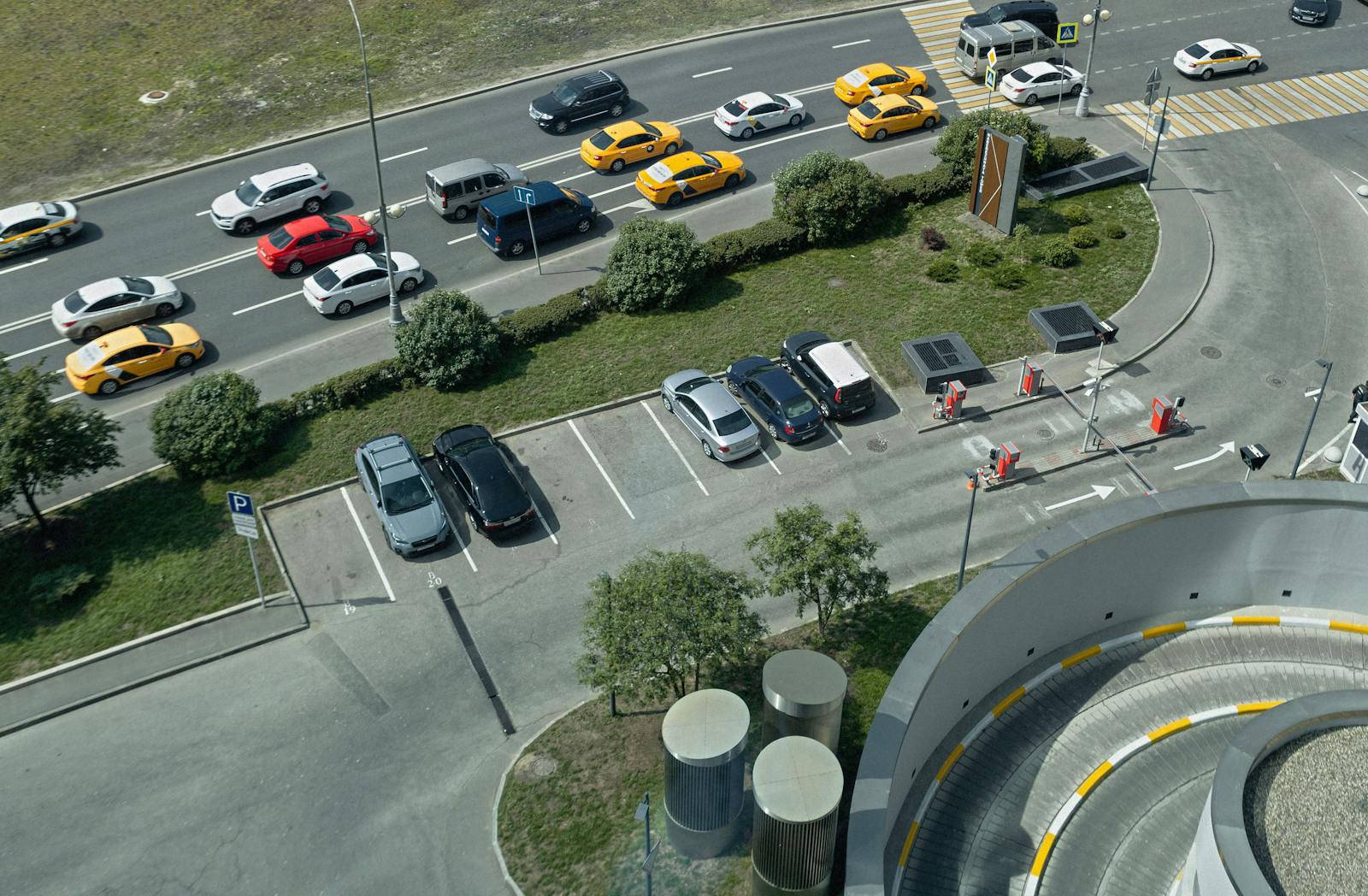

They notice the fines climbing and feel like getting a ticket has become unavoidable — and that frustration is forcing councils into the spotlight. You’ll learn why ticketless parking systems and shifting council practices have driven a big jump in infringements and what that means for anyone who parks in NSW.
This piece breaks down how the spike happened, why many feel targeted, and which policy fights are unfolding as councils and the state government clash over fairness and transparency. Expect clear examples, recent figures, and practical takeaways to help you avoid a surprise fine.
Why Parking Fines Are Surging and Drivers Feel Targeted

Councils have raised rates and switched to automated enforcement, and drivers report fines that feel unavoidable even for short or marginal breaches. Many changes concentrate power in phone apps, cameras, and remote systems that issue penalties without paper tickets.
Ticketless Parking Fine System Explained
Ticketless parking systems replace printed penalty notices with digital records tied to registration plates and time-stamped images. Enforcement officers or cameras capture a vehicle’s plate; the system cross-checks parking session data or bay sensors and generates a fine if rules appear violated.
This reduces onsite paperwork and speeds processing. It also relies on accurate plate reads, time-syncing, and correct payment app data — small errors can trigger fines.
Ticketless systems can link to centralized databases like those used by state agencies; for example, automated schemes in some jurisdictions mirror elements used by agencies such as Revenue NSW for vehicle-related notices.
Because the notice goes straight to the DVLA-style registry or the vehicle owner’s address, drivers often learn of a penalty days later, which limits immediate dispute and can feel impersonal.
How On-the-Spot Notification Changed the Game
On-the-spot notification shifts from leaving a paper ticket to sending a digital or mailed notice soon after detection. This allows councils to enforce remotely and escalate unpaid penalties faster.
Agencies can use handheld devices to log alleged contraventions, upload photos, and push notices without waiting for an officer to return to a car. That increases enforcement capacity per officer.
Drivers say this reduces chances to correct a minor mistake immediately. It also shortens the payment window and can complicate disputes because the initial context (meter issues, payment app failures) may not be recorded in a way that favors the motorist.
Councils argue on-the-spot systems cut costs and improve compliance, but motorists report feeling ambushed by fines they didn’t see coming.
Real-Life Driver Frustrations
Motorists describe fines for issues they consider trivial: a few minutes late on a pay-by-phone session, mismatched zone codes entered under stress, or sensor misreads at busy bays.
They also complain about confusing signage, short grace periods, and apps that fail to confirm a session properly. These scenarios make drivers feel targeted rather than regulated.
Many challenges succeed on appeal, which suggests administrative or evidence flaws. Drivers cite long waits for clear photo evidence, with images that don’t show meter availability or obscured signage.
Frustrations compound when councils raise tariffs markedly or prioritize enforcement revenue, which some drivers interpret as treating motorists like a cash source rather than road users to be served.
The Surge in Council-Issued Parking Fines
Data and reporting show councils have increased parking charges and enforcement to bolster revenue, sometimes passing £1 billion in parking income in a year across regions.
Price hikes for on-street and off-street parking — and steeper penalties in urban boroughs — combined with more aggressive ticketless enforcement produces higher fine volumes.
Some councils cite road safety and congestion goals for tougher rules. Others point to budget pressures and declining high-street turnover as reasons to tighten enforcement or reband car parks.
The net effect: more notices issued, faster processing, and a perception among drivers that fines are both harder to avoid and harder to contest. For examples of recent council revenue increases and criticism over fee rises, see reporting on local parking charges and council income.
Backlash, Political Reforms, and the Future of Parking Rules
Councils face mounting criticism over rising parking fines, new state-level legislation, and heated community responses that vary by council. Drivers report tickets feel unavoidable, while reform advocates and some politicians push for clearer enforcement and fairer penalty schemes.
Courtney Houssos’ Push for Fairness
Senator Courtney Houssos has publicly argued for reforms to make parking fines less punitive for low-income drivers and to improve transparency in how fines are issued. She cites cases where motorists near hospitals or transit hubs receive repeated tickets despite unclear signage or faulty meters, arguing those patterns show systemic unfairness.
Houssos has called for greater use of tech to reduce disputes, including better integration with the Service NSW app so users can check, contest, or pay notices quickly. She also wants Revenue NSW to publish clearer data on fines issued by council and time of day to identify enforcement hot spots.
Her proposals emphasize targeted relief — more warnings, sliding-scale fines, and exceptions for genuine mobility or caregiving needs. She frames the measures as reducing unnecessary hardship while keeping deterrents for deliberate abuse.
Legislative Moves: Fines Amendment (Parking Fines) Bill 2024
The Fines Amendment (Parking Fines) Bill 2024 proposes specific changes to how parking penalties are set, appealed, and administered. Key elements include mandating clearer signage standards, requiring councils to issue more first-warning notices, and establishing an independent review path for contested on-street tickets.
The bill would also direct Revenue NSW to centralize fine records and report quarterly by council area, helping lawmakers and the public track enforcement trends. It includes provisions to integrate payment and dispute functions with the Service NSW app, making contesting a ticket or applying for a hardship reduction possible online.
Supporters say the bill balances enforcement with due process; critics argue it could reduce deterrence and complicate council revenue streams. Amendments remain under debate in committee, with several councils lobbying for carve-outs linked to their local permit and revenue systems.
Councils Divided and Community Reactions
Councils split between those wanting to protect parking revenue and those willing to change enforcement tactics. Inner-city councils under pressure to manage kerbside turnover tend to defend stricter fines; suburban councils facing resident backlash are more open to warnings and flexible waivers.
Community reactions range from organized petitions to angry town-hall meetings. Some residents demand better signage and clearer permit rules; business groups warn that looser enforcement will harm turnover for retail areas. Drivers frequently report using the Service NSW app to contest or pay fines, but many say the sign-up and evidence-upload steps are cumbersome in practice.
Councils that proactively publish fine data and trial automated sign improvements tend to see fewer formal complaints. Others face sustained backlash that has prompted local councillors to call for state-level intervention or to back portions of the Fines Amendment (Parking Fines) Bill 2024 to relieve political pressure.
More from Steel Horse Rides: