

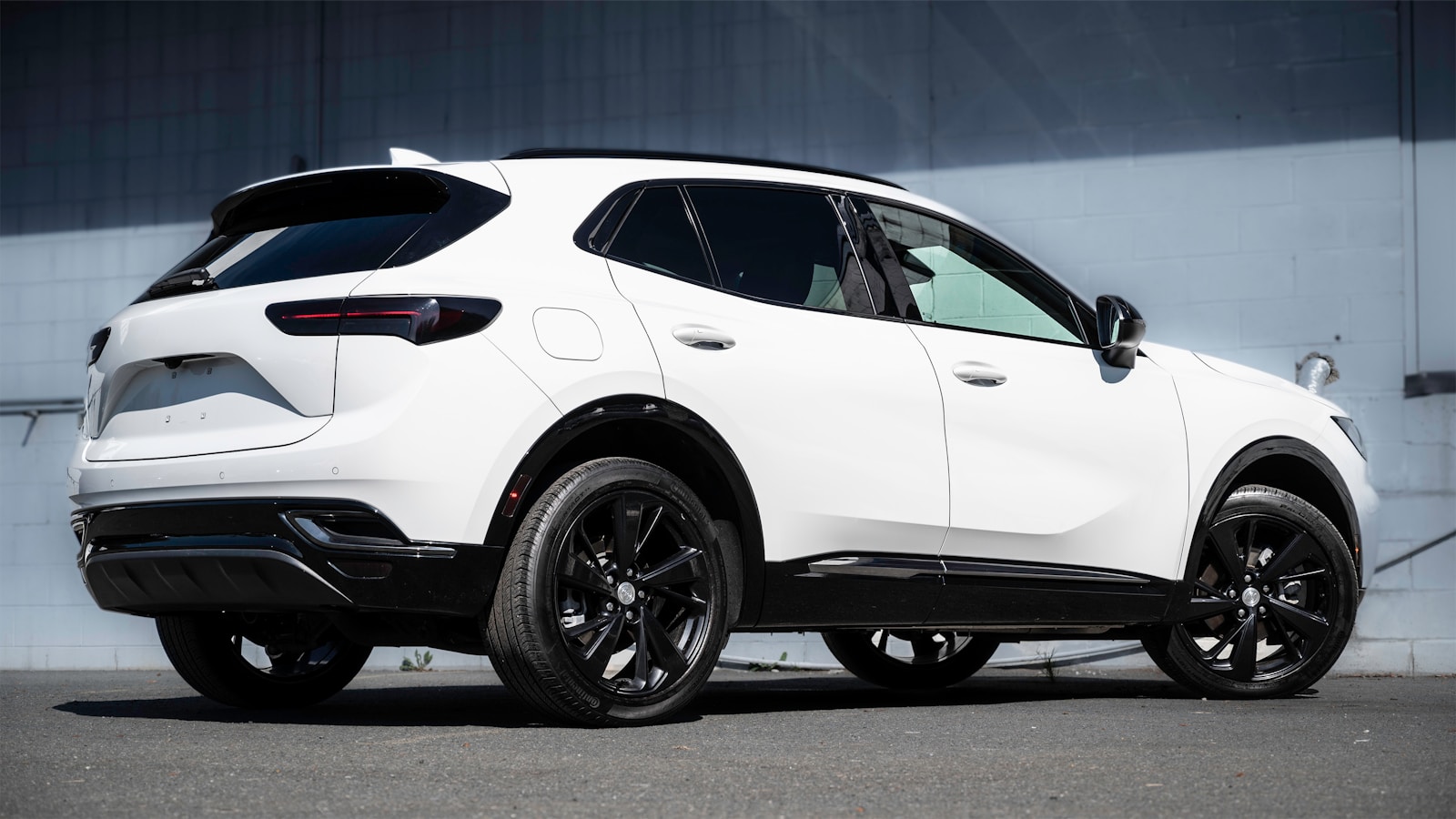
In a significant safety recall, several major automakers have announced the recall of over 400,000 crossover SUVs due to a potential fuel-pump issue that could lead to engine stalling. The recall affects various models produced between 2019 and 2021, raising concerns for both vehicle owners and safety regulators. This issue not only poses a risk to drivers but also underscores the ongoing challenges automakers face in ensuring product reliability.
Details of the Recall
The recall centers around the fuel-pump impeller, which can wear prematurely, causing a decrease in fuel flow and potentially leading to engine stalling. This defect can result in sudden power loss while driving, increasing the risk of a crash. Affected models include the 2020–2021 Chevrolet Equinox and the 2020–2021 GMC Terrain, among others. The National Highway Traffic Safety Administration (NHTSA) has emphasized the importance of addressing this issue promptly.
Scope and Impact
According to the NHTSA, approximately 405,000 vehicles are involved in this recall across multiple brands, including Chevrolet, GMC, and Buick. The automakers noted that they became aware of the issue through warranty claims and reports of engine stalling. The recall is particularly urgent as it could impact a significant number of families who rely on these vehicles for daily transportation.
What Owners Should Do
Owners of affected vehicles are urged to check their Vehicle Identification Number (VIN) on the NHTSA website to determine if their vehicle is included in the recall. The automakers plan to notify affected customers and will provide free repairs to address the fuel-pump issue. Vehicle owners should remain vigilant and report any unusual engine behavior to their dealers immediately.
Automakers’ Response
General Motors, which oversees Chevrolet and GMC, stated that they are collaborating closely with the NHTSA to ensure the safety of their customers. The company has committed to fixing the fuel-pump issues at no cost to the vehicle owners. With engine stalling incidents reported in some affected vehicles, the urgency of this recall is paramount, and GM is taking all necessary steps to rectify the situation.
Consumer Safety Concerns
This recall highlights broader safety concerns in the automotive industry, where manufacturers have faced increased scrutiny over vehicle reliability. According to data from the NHTSA, recalls related to fuel systems have steadily increased in recent years, prompting calls for more stringent regulations. With more than 700,000 vehicles recalled in the past year alone for similar issues, consumer safety remains a top priority for regulatory agencies.
Market Reaction
The recall has already prompted reactions in the automotive market, with shares of affected automakers experiencing minor fluctuations. Analysts suggest that such recalls could affect consumer trust, especially among younger buyers who prioritize reliability and safety. As automakers navigate these challenges, they must also find ways to reassure consumers about their commitment to safety and quality.
Future Implications
This recall may have long-term implications on the automotive industry, as it raises questions about manufacturing practices and quality control measures. Experts argue that automakers need to invest more in research and development to prevent similar issues from arising in the future. As technology in vehicles becomes increasingly complex, so too does the responsibility of manufacturers to ensure that their products are safe and reliable.
Stay Informed and Act Now
Vehicle owners are encouraged to stay informed about safety recalls and to take action quickly if their vehicles are affected. Not only does addressing these issues promptly ensure personal safety, but it also contributes to overall road safety for everyone. Vehicle owners should monitor updates from the NHTSA and their respective automakers, and seek out information on how to proceed with the recall process.
For those who own a crossover SUV from the affected models, it is critical to take this recall seriously. Check your VIN today and contact your local dealer for further assistance. Don’t wait until it’s too late—act now to ensure your vehicle is safe and roadworthy.