


A quiet parking lot, a parked car, and a driver who thinks no one is watching. Then a small camera mounted on a windshield captures everything as the person walks up, removes a license plate, and replaces it with another. What might once have been a nearly invisible crime now unfolds in crisp video, turning a routine errand into potential evidence in a criminal case.
The viral clip of a driver swapping plates in a lot is not an isolated curiosity but part of a broader pattern in which small acts of deception intersect with serious legal risks. As more vehicles carry always-on cameras, the odds that a plate switch, staged crash, or fraudulent registration will be recorded are rising, and so are the consequences for those who treat license plates as disposable props instead of legal identifiers.
The parking lot incident that set off alarms
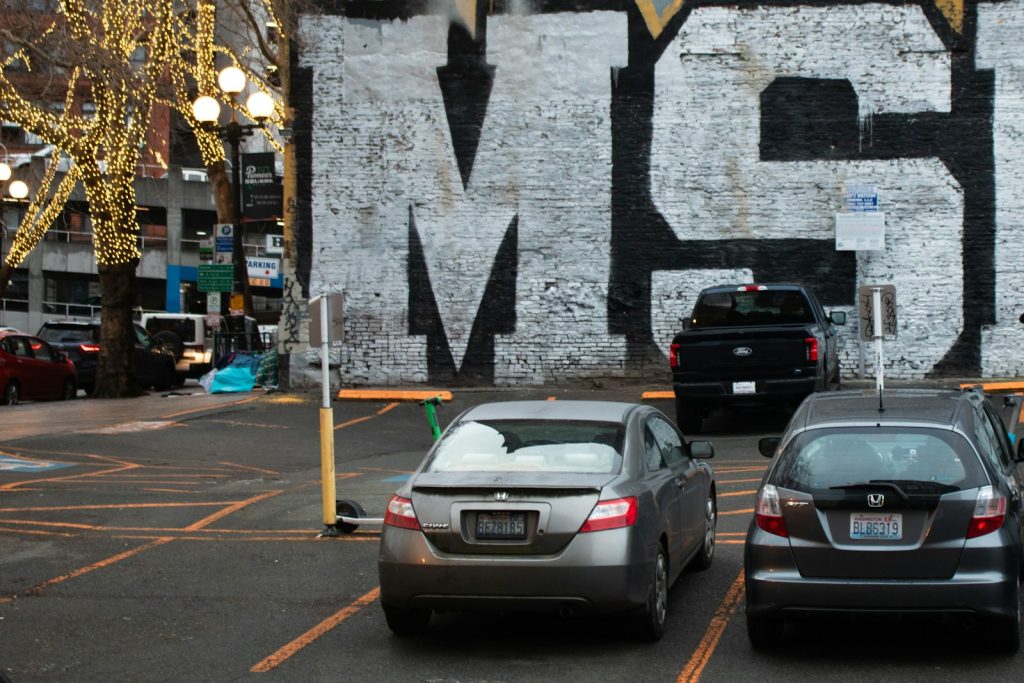
In the parking lot case, the core allegation is simple: a driver calmly walks up to a vehicle, removes the existing tag, and installs a different one, apparently assuming the maneuver will go unnoticed. The setting is mundane, which is precisely what makes the footage so striking. There is no high-speed chase or dramatic confrontation, only a person treating a state-issued plate like a sticker that can be peeled off and replaced at will. For anyone who has ever left a car unattended for a few minutes, the idea that a stranger could quietly rebrand the vehicle in seconds is unsettling.
Public concern around this type of behavior has already been sharpened by a widely shared clip labeled with the warning “BEWARE OF THIS INDIVIDUAL,” which shows a thief caught swapping a license plate in Queens to evade police detection and identification. In that video, the words “BEWARE,” “THIS,” and “INDIVIDUAL” are not just a caption but a blunt assessment of the risk posed when someone treats plates as tools for disappearing into traffic. The parking lot incident fits the same pattern, suggesting that what looks like a minor prank can in fact be a deliberate attempt to frustrate law enforcement and shift blame for future violations onto an unsuspecting driver.
Why someone would swap license plates
Behind the simple act of unscrewing a plate is a complex set of motives that range from petty to deeply criminal. Some drivers use borrowed or stolen tags to dodge tolls, parking tickets, or congestion fees, counting on automated cameras to send the bill to someone else. Others may be trying to hide expired registration, unpaid insurance, or a suspended license, hoping that a quick plate change will get them through a checkpoint or past a patrol car without a second glance. In each case, the plate is treated as a shield, redirecting legal and financial consequences away from the person actually behind the wheel.
More serious schemes use swapped plates as part of broader fraud. A driver planning a hit-and-run, a robbery getaway, or a series of traffic violations can attach a tag that belongs to a completely different vehicle, effectively framing the registered owner for whatever happens next. In New York, lawmakers have responded to this spectrum of abuse by targeting the sale or purchase of stolen, false, or fraudulent number plates, treating the trade in bogus tags as a distinct offense. That legislative focus underscores how a seemingly small act in a parking lot can be the visible tip of a much larger criminal enterprise built on fake identities and misdirected liability.
The legal stakes of tampering with plates
Legally, a license plate is not just a piece of metal but an official document that ties a vehicle to a specific owner and registration record. Tampering with that link can trigger a cascade of charges, from traffic infractions to felonies, depending on the jurisdiction and the intent behind the act. When someone removes a legitimate plate and replaces it with a stolen or fabricated one, they are not only misrepresenting the vehicle but also potentially implicating an innocent person in any crime or collision that follows. Courts tend to view that kind of deception as an attack on the integrity of the entire registration system.
New York’s lawmakers have codified that view by explicitly prohibiting the purchase or sale of stolen, false, or fraudulent number plates, grouping them with other illicit identification documents. Under that framework, the person caught on camera in a parking lot is not just risking a ticket for improper display but could be swept into an investigation about where the replacement plate came from and what it has been used for. If prosecutors can show that the swap was part of a plan to commit insurance fraud, evade police, or stage a crash, the footage becomes a key piece of evidence in a much more serious case.
Dashcams as silent witnesses
The quiet witness in the parking lot incident is the dash-mounted camera that recorded the entire sequence without any human intervention. Once a niche gadget for road-trip enthusiasts, dashcams are now common in family sedans, rideshare vehicles, and delivery fleets, constantly capturing what happens in front of and sometimes behind the car. That ubiquity means that a person who thinks they are alone in a lot may actually be surrounded by lenses, any one of which can provide a clear view of a plate swap, a fender bender, or a suspicious approach to a parked vehicle.
From a legal perspective, the value of that footage depends on whether it can be used in court. Guidance for drivers emphasizes that Dash cam video recorded in a public place, if relevant to a case and properly authenticated, is nearly always admissible. That standard matters in a plate-swapping scenario, because a prosecutor or insurance investigator must be able to show that the clip accurately depicts the event, has not been tampered with, and was captured from a lawful vantage point. When those conditions are met, a simple parking lot recording can carry significant weight, often more persuasive than conflicting eyewitness accounts.
From staged crashes to swapped tags
The same technology that exposes a plate swap has already transformed how authorities investigate staged collisions and other traffic scams. In one New York case, a Brooklyn man was charged with a litany of offenses after allegedly orchestrating a crash as part of an insurance fraud scheme, only to have the entire setup captured on a passing driver’s dashcam. That recording reportedly showed the sequence of events in a way that contradicted the suspect’s account, giving investigators a clear narrative of how the vehicles moved and who initiated the impact. The case illustrates how video can puncture a carefully rehearsed story in seconds.
Plate swapping fits naturally into that ecosystem of fraud. A driver who intends to stage a collision might first attach a different tag, hoping that any resulting claim, ticket, or lawsuit will target the registered owner of the swapped plate instead of the person actually behind the wheel. When a dashcam captures both the plate change in a parking lot and the later crash on the road, it can link the two events into a single chain of evidence. That continuity makes it much harder for a suspect to argue that the wrong car has been identified or that the plate was innocently misplaced, and it gives insurers and prosecutors a powerful tool for tracing responsibility.
How investigators use plate-swapping footage
Once a plate swap is caught on camera, investigators can use the footage as a starting point for a broader inquiry. The first step is often to freeze key frames that show the suspect’s face, clothing, and any distinctive features of the vehicle they arrived in, such as a specific model year, color, or aftermarket accessory. Those details can be cross-referenced with registration databases, surveillance from nearby businesses, and automated license plate readers that may have scanned the suspect’s car before or after the incident. Even a partial plate number or a unique bumper sticker can be enough to narrow the search.
Investigators also pay close attention to the plates themselves. If the removed tag belongs to the rightful owner of the parked car, the focus shifts to why someone wanted it off the vehicle. If the replacement plate is stolen or fraudulent, that discovery can open a path into a network of suppliers who traffic in bogus tags and forged registrations. Laws that target the stolen plate market give police leverage to pursue not only the person caught in the parking lot but also anyone who provided the hardware. In complex cases, the dashcam clip becomes one piece of a mosaic that includes phone records, financial transactions, and prior traffic stops involving the same tags.
Implications for everyday drivers
For ordinary motorists, the idea that someone might quietly remove or replace their plate while they shop or work is more than a theoretical concern. If a swapped tag is later used in a crime, the registered owner could find police at their door asking why their vehicle appears to have been at the scene. Even when investigators eventually clear the innocent driver, the process can involve hours of questioning, paperwork, and anxiety. In the meantime, unpaid tolls, red light tickets, or parking fines linked to the stolen plate can pile up, forcing the victim to contest charges they never incurred.
There are practical steps that can reduce the risk. Some drivers install tamper-resistant screws that make it harder to remove plates quickly, while others park in well-lit areas or near security cameras whenever possible. Regularly checking that both front and rear tags are present and undamaged can catch a problem early, especially for those who leave their cars in commuter lots or on the street overnight. The viral warning that labeled a plate thief as “BEWARE OF THIS INDIVIDUAL” in Queens reflects a broader public awareness that small acts of vigilance, from glancing at a plate before driving off to reviewing dashcam clips after a suspicious encounter, can make a real difference.
Privacy, surveillance, and the rise of car cameras
The spread of dashcams and parking-lot surveillance raises difficult questions about privacy and constant observation. On one hand, the ability to capture a plate swap or staged crash in high definition can protect victims, expose fraud, and support fair outcomes in court. On the other, drivers and pedestrians increasingly move through spaces where nearly every action may be recorded by someone’s personal device, not just by official security systems. That reality can feel intrusive, especially when footage is posted online with captions like “BEWARE” and “THIS INDIVIDUAL” that publicly label a person as a criminal before any formal charges are filed.
Legal standards around admissibility try to balance those concerns by focusing on whether a recording was made in a public place, is relevant to a dispute, and can be authenticated, criteria that help determine whether video is nearly always admissible. Yet those rules do not fully address the social impact of viral clips that circulate long before a case reaches a courtroom. As more drivers equip their cars with cameras, the line between citizen evidence gathering and informal public shaming will continue to be tested, especially in incidents like plate swaps that sit at the intersection of minor property interference and potentially serious crime.
What this means for future enforcement
The parking lot plate swap, captured in a few seconds of dashcam footage, offers a preview of how traffic enforcement and criminal investigations are likely to evolve. Instead of relying solely on officer observations or after-the-fact witness statements, authorities can increasingly reconstruct events from multiple angles, stitching together clips from private dashcams, storefront cameras, and highway systems. That mosaic makes it harder for someone to hide behind a fraudulent tag or a rehearsed story, particularly when laws already treat the fraudulent plate trade as a standalone offense.
More from Wilder Media Group: