
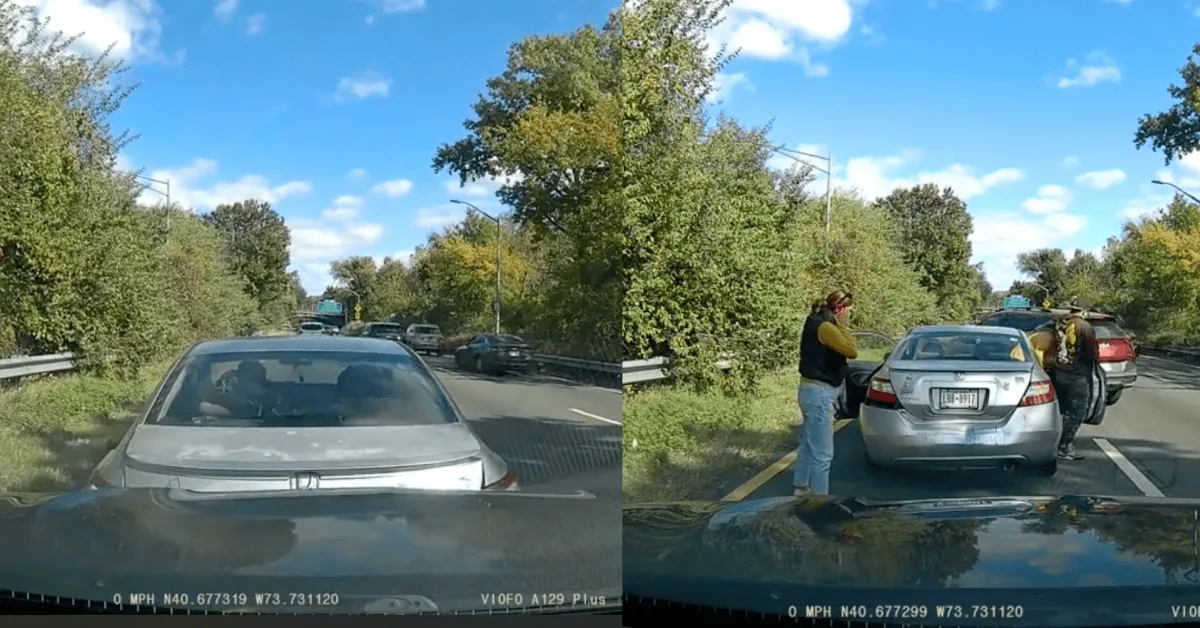

On a bright afternoon in New York City traffic, a compact car suddenly threw itself into reverse, slamming into the vehicle behind it while the driver’s dashcam quietly recorded every frame. Within hours, the clip was racing across social media, framed as proof of a brazen insurance scam attempt in broad daylight. I see in that short, chaotic sequence a revealing snapshot of how staged crashes are evolving, and how a simple camera on the windshield is reshaping the balance of power between drivers and fraudsters.
The Belt Parkway incident is not an isolated oddity but part of a pattern that investigators, insurers and consumer advocates have been tracking for years. From “brake check” setups to cars backing into innocent motorists on busy highways, the tactics are getting bolder, yet the countermeasure is surprisingly straightforward: a small device that records what really happened when the shouting starts.
The viral Belt Parkway crash that changed the conversation
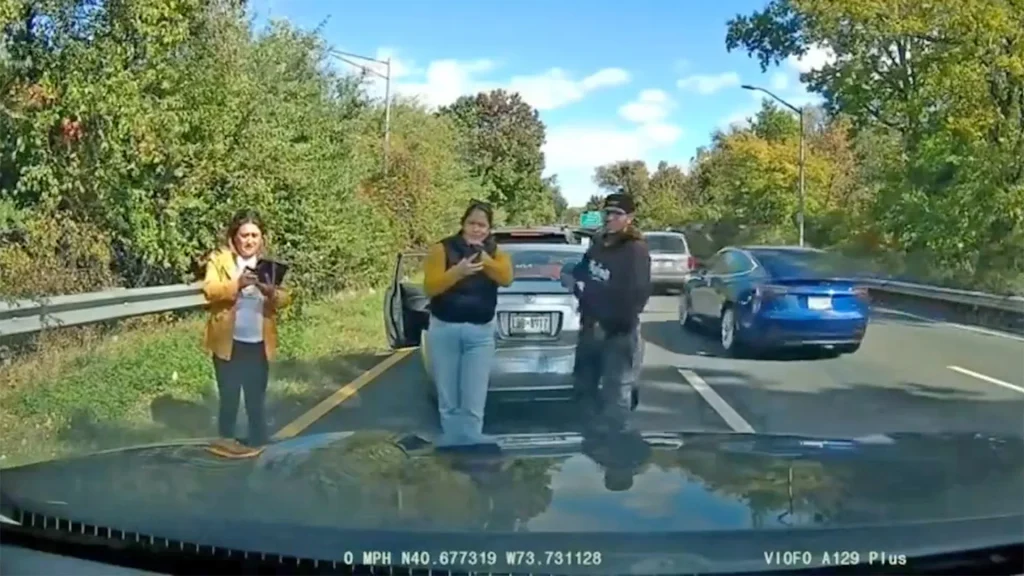
The story that jolted many drivers into paying attention unfolded on the Belt Parkway in Queens, where a car in front of Ashpia Natasha’s vehicle abruptly stopped, then appeared to reverse into her lane. Natasha’s dashcam captured the moment she had to slam on the brakes on the three-lane parkway, followed by the impact as the other driver’s car rolled backward into the front of her vehicle in what she believed was a staged collision in NYC. In her account, she had never seen “such a thing” before, and the footage shows how quickly an ordinary commute can turn into a potential fraud scene.
The clip spread widely online and drew the attention of local reporters and investigators, who highlighted how clearly the dashcam undermined any claim that Natasha had rear-ended the other car. Coverage of the Belt Parkway sequence in Queens emphasized that the front vehicle appeared to reverse intentionally, a maneuver that is difficult to explain as an accident in steady traffic. For many viewers, the video was their first close look at how a staged crash can unfold in real time, and how vulnerable any driver without a camera might be if the only evidence came down to conflicting stories.
From viral clip to criminal case: a Brooklyn man charged
The Belt Parkway footage did not remain just an internet curiosity. After investigators reviewed the video and other evidence, a New York City man from Brooklyn was charged with staging the crash for insurance fraud purposes in NEW court filings. Prosecutors described how the suspect allegedly reversed his vehicle into Natasha’s car while passengers were inside, then sought to present the collision as a typical rear-end crash that would normally point blame, and insurance liability, at the driver behind.
In separate coverage, officials detailed that the Brooklyn man now faces a range of charges tied to insurance fraud and staging a vehicle crash, with potential prison time of 2 1/3 years to seven years if convicted. Another report on what authorities say happened on the Belt Parkway in Rosedale noted that the case has become a reference point for how a single dashcam clip can underpin a prosecution, with officials summarizing “What to Know” about the alleged scheme and the possible sentence the defendant could receive if a jury agrees that the crash was deliberately orchestrated in What.
How the scam allegedly worked on the Belt Parkway
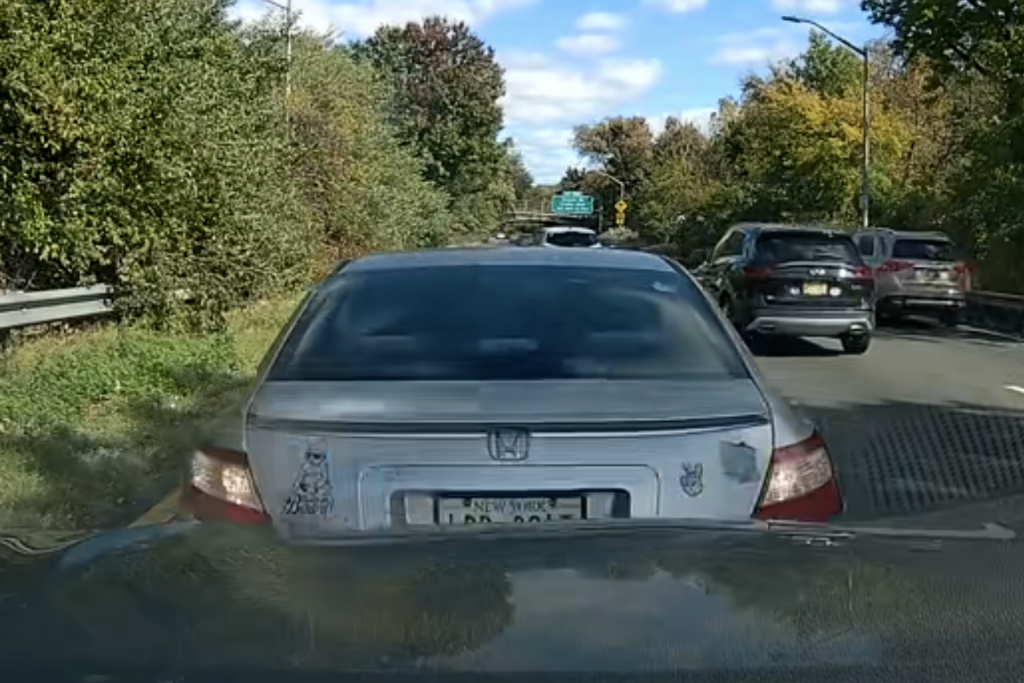
Viewed frame by frame, the Belt Parkway video lays out a textbook version of a staged crash. Natasha is driving in her lane when a car ahead of her slows sharply, forcing her to brake hard to avoid a collision. Instead of pulling forward, the other vehicle then appears to roll backward into her front bumper, a sequence that aligns with what investigators describe as a deliberate attempt to create the appearance of a rear-end impact in Ashpia Natasha’s account. In a typical claim without video, the driver in back is often presumed at fault, which is exactly the presumption scammers try to exploit.
Authorities say the alleged scammer’s plan depended on that presumption, along with the chaos and confusion that follow any crash on a busy parkway. A separate report on the Belt Parkway incident noted that the district attorney’s office reviewed the dashcam footage and concluded that the Man behind the wheel had intentionally reversed into the victim’s car, a detail that led to his arrest in a case widely described as a Man charged in an insurance scam. Without that video, the story might have been reduced to one driver’s word against another’s, with the alleged scammer potentially walking away with a payout and a clean record.
Other dashcams are catching similar schemes in real time
The Belt Parkway case is striking, but it is not unique. In another widely shared clip from a busy New York City highway, a dashcam recorded a car suddenly backing into a vehicle behind it, an apparent attempt to stage a crash that was later highlighted in a segment introduced as an “apparent attempt at insurance scam” in Oct. The pattern is familiar: a sudden, unnatural maneuver by the front car, a low-speed impact, and then a heated roadside exchange where the driver in front insists they were hit from behind.
Short video segments posted online show similar tactics in other traffic corridors, including a clip where a car on a busy highway appears to reverse into another vehicle while the dashcam keeps rolling in Dashcam footage. Another recording from New York City shows a suspicious crash that commentators described as a driver trying to “abuse the system and commit car insurance fraud,” again captured clearly by a camera mounted on the dashboard in New York City. In each case, the camera transforms what might have been a murky dispute into a sequence of verifiable events that investigators and insurers can replay as often as needed.
The classic “brake check” and other staged crash tactics
What ties these incidents together is a set of recurring tactics that fraud investigators have been warning about for years. One of the most common is the so-called “brake check,” where a scammer abruptly slams on the brakes in front of an unsuspecting driver, hoping to trigger a rear-end collision that can be blamed on the person behind. Legal analysts have described how these setups often involve coordinated moves between two vehicles, with one car cutting in front and another boxing in the victim so there is no safe escape, a pattern that matches the “classic” scenario outlined in a guide on Insurance Fraud Attempt.
Other schemes rely on more elaborate staging. One video highlighted how, soon after a collision, a tarp was quickly put up to cover the back window of a car before several people climbed out, behavior that raised questions about how many passengers were actually in the vehicle at the time of impact in Soon. Investigators have also described cases where multiple cars work together to box in a target, or where drivers intentionally sideswipe vehicles in merging lanes, all with the goal of creating a scenario that looks, at first glance, like the innocent motorist was at fault.
Why dashcams are suddenly in such high demand
As these videos circulate, drivers are drawing a simple conclusion: if it can happen on the Belt Parkway in Queens or on a crowded New York City highway, it can happen anywhere. Retailers and installers report that demand for dashcams has surged after the viral insurance scam video, with one local segment noting that a TikTok clip showing the Belt Parkway crash prompted a wave of interest from motorists who wanted their own cameras to capture the vehicle and suspects involved in Oct. For many, the relatively low cost of a basic dashcam feels like cheap insurance against being framed for a crash they did not cause.
Consumer guides now emphasize that One straightforward solution to protecting yourself from staged collisions is to install a dashcam that records continuously while you drive, creating a neutral witness that cannot be intimidated or confused in One. The same advice stresses that cameras can also help in legitimate accidents, documenting traffic conditions, road hazards and driver behavior in the seconds before impact. In a world where a few seconds of video can mean the difference between a denied claim and a clean record, the small lens on the windshield has become a quiet but powerful ally.
How investigators and insurers are using the footage
For law enforcement, dashcam clips are no longer just viral curiosities, they are evidence. In New York City, the NYPD has an Office of Fraudulent Collision Investigation that encourages Anyone who suspects they may have been a victim in a staged car crash to come forward, a message that underscores how seriously the department treats these schemes in Anyone. When drivers bring in video, investigators can analyze speed, distance, braking patterns and lane position, often revealing whether a crash followed a natural sequence or a suspiciously choreographed one.
Nationally, the NICB has warned that insurance fraud is “coming for your pocketbook” and has called on consumers to learn the warning signs of scams and to report suspected insurance crimes to the proper authorities in NICB. Insurers, for their part, increasingly request or accept dashcam footage as part of claim investigations, using the clips to corroborate or challenge statements from drivers and passengers. In the Belt Parkway case, multiple reports make clear that the dashcam was central to the decision to charge the alleged scammer, a sign that cameras are now woven into the fabric of fraud enforcement rather than sitting on the sidelines.
What the Belt Parkway case reveals about roadside confrontations
One of the most unsettling aspects of staged crashes is what happens after the impact. In the Belt Parkway incident, Natasha’s dashcam did not just capture the collision, it also recorded the tense exchange that followed, including the other driver’s insistence that she had hit them. A short Video clip shared on social media shows how quickly voices can rise and accusations can fly, especially when one party believes they can pressure the other into accepting blame on the spot.
Television segments that revisited the Belt Parkway crash and similar incidents on busy highways have stressed how important it is to stay calm, call police and document everything, rather than getting drawn into a shouting match in Apparent roadside encounters. In one analysis of the Belt Parkway case, a reporter noted that the NYPD was investigating the viral crash as a possible staged accident, a reminder that drivers do not have to resolve fault on the shoulder while traffic roars past in Anthony. The presence of a camera can defuse some of that pressure, since both parties know that an impartial record exists and that officers and adjusters will eventually see it.
Practical steps drivers can take to avoid becoming victims
For everyday drivers, the Belt Parkway saga and the string of similar clips offer a clear set of lessons. First, installing a dashcam and making sure it records both video and audio can provide crucial protection if a crash occurs, whether it is staged or not. Guides on avoiding staged car crash scams advise motorists to keep a safe following distance, be wary of cars that cut in front and brake suddenly, and avoid engaging with aggressive drivers who seem intent on provoking a collision, advice that aligns with the outreach from the NYPD Office of Fraudulent Collision Investigation.
Second, if a crash does happen and something feels off, drivers are urged to call police, take photos of all vehicles and occupants, and avoid signing any documents or accepting cash on the spot. National consumer alerts emphasize that insurance fraud ultimately raises costs for everyone, and they encourage people to report suspicious patterns, such as the same individuals appearing in multiple crashes or passengers who seem to materialize only after a tarp or other cover is put up, as seen in the dashcam scheme involving several people climbing out of a covered car. The Belt Parkway case shows that when drivers combine vigilance with technology, they are far less likely to be cornered into paying for someone else’s crime.
More from Wilder Media Group: