


Car shoppers across the country are finding themselves in an uncomfortable position that many hoped had disappeared with pandemic-era shortages. Dealer markups have returned to showrooms in 2026, and buyers report that the negotiation experience feels more frustrating and adversarial than it did during previous market disruptions. The premium prices that dealers add on top of manufacturer’s suggested retail prices are showing up on both high-demand models and everyday vehicles.
The return of these markups comes as a surprise to many consumers who expected market conditions to normalize after supply chains recovered. Dealer markups once limited to rare models now affect mainstream vehicles, creating tension in showrooms and leaving buyers wondering what changed. The practice has evolved beyond the semiconductor shortage days of 2021, with new dynamics shaping how dealers price vehicles and how customers respond.
What makes the current situation different is the shift in how negotiations unfold between buyers and dealers. The transparency that many expected after regulatory scrutiny from the FTC on deceptive pricing hasn’t materialized in the way consumers hoped. Instead, buyers describe a process that feels more complicated than the straightforward markup additions they encountered during peak pandemic shortages.
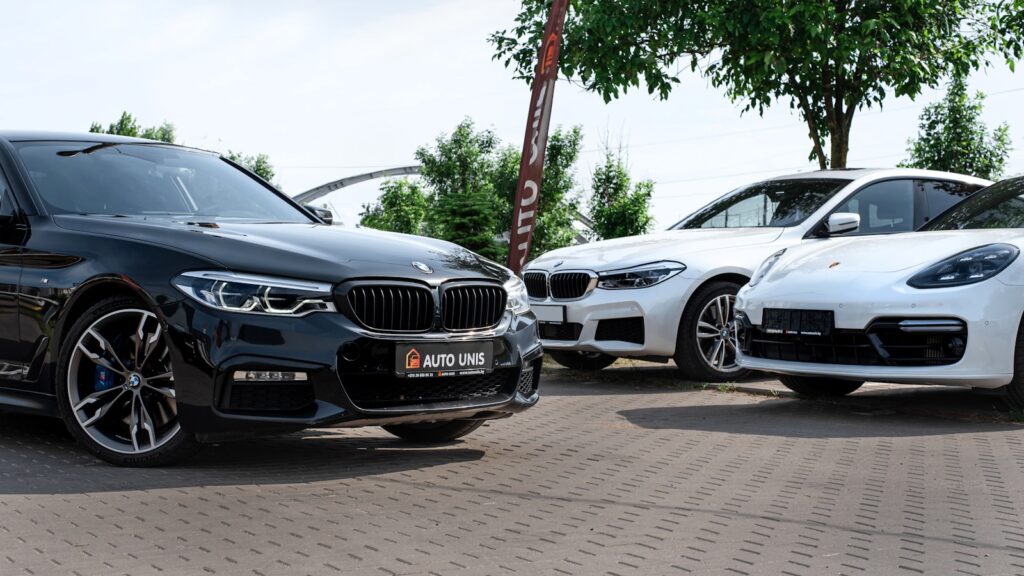
Dealer Markups and Market Adjustments: What’s Happening Now?
Dealerships are once again adding thousands of dollars above MSRP on popular models, and buyers are encountering charges that go well beyond the manufacturer’s window sticker. The practice has resurged amid inventory uncertainties and new tariff policies that are reshaping how dealers price their vehicles.
Why Are Dealers Charging Over MSRP Again?
The return of dealer markups comes as tariffs threaten to change car prices and create market volatility. While inventory levels normalized for many brands after the pandemic shortage, certain manufacturers still face tight supply. Lexus, Toyota, Honda, Subaru, Porsche, and BMW dealers report low stock levels, giving them leverage to demand premium prices.
Dealers defend the practice through basic economics. When demand exceeds supply, they argue that market forces justify charging more than MSRP. Popular models like the Ford Bronco, Chevrolet Corvette, and Toyota Tacoma regularly attract premiums despite improved overall inventory.
The tariff situation adds another layer. Analysts predict a $40,000 vehicle could increase by as much as $6,000 due to new import policies. Some dealers are already using this uncertainty to justify immediate price increases, even on existing inventory.
How Markups Are Justified: Market Adjustments Explained
Dealers use specific terminology to add profit above MSRP, often appearing on a second sticker alongside the manufacturer’s official window sticker. The invoice price—what dealers pay the manufacturer—typically sits below MSRP, creating room for negotiation. But market adjustments eliminate that gap and push prices higher.
Common terms buyers encounter include:
- Market adjustment
- Additional dealer markup (ADM)
- Additional dealer profit (ADP)
- Adjusted market value
These charges appear separate from standard fees like destination charges or delivery fees that manufacturers require. The distinction matters because destination fees are non-negotiable manufacturer costs, while market adjustments represent pure dealer profit.
Types of Add-Ons and Extra Charges
Beyond market adjustments, dealerships layer on dealer-installed accessories and services. These dealer add-ons often get bundled into the final price without clear itemization.
Common dealer add-ons include:
| Add-On Type | Typical Cost Range |
|---|---|
| Paint protection | $500 – $2,000 |
| Window tinting | $200 – $600 |
| VIN etching | $100 – $400 |
| LoJack tracking | $600 – $1,200 |
| Nitrogen-filled tires | $100 – $300 |
Extended warranties, gap insurance, and ceramic coatings also appear frequently on sales contracts. Dealers sometimes present these as required purchases, though they’re typically optional. Processing fees, documentation charges, and delivery fees can add another $500 to $1,500, varying by state regulations and dealer policy.
Why the Negotiation Process Feels Tougher Than Ever
Buyers report facing more aggressive sales tactics and unexpected fees at dealerships, while the traditional back-and-forth that once defined car buying has transformed into a high-pressure experience. Many shoppers describe feeling blindsided by charges they never anticipated.
How Buyers Are Experiencing the New Negotiation Reality
Car shoppers in 2026 say they’re walking into dealerships with more information than ever before, yet they’re leaving feeling more frustrated. Many buyers research prices online and arrive knowing the MSRP, only to discover additional charges listed on a second window sticker that weren’t advertised.
The shift has caught even experienced buyers off guard. Some report that dealers refuse to negotiate at all, citing limited inventory or high demand for specific models. Others describe spending hours at a dealership only to find that the advertised vehicle was already sold or that the quoted price didn’t include mandatory dealer add-ons.
Shoppers also mention feeling rushed through the process. Sales staff present paperwork quickly, and buyers often don’t realize they’ve agreed to extra charges until they review documents later. The pressure to decide immediately has replaced the slower negotiation process that used to give buyers time to compare offers from multiple dealers.
Common Tactics Dealers Use During Negotiations
Dealerships deploy several tactics during price negotiations that catch buyers by surprise. One frequent approach involves adding dealer markups under names like “market adjustment” or “additional dealer profit” to high-demand vehicles.
Dealers also present extended warranties, paint protection, VIN etching, and nitrogen-filled tires as standard features that can’t be removed from the package. Some bundle these dealer-installed accessories together and present them as non-negotiable.
Another common practice involves separating fees across multiple documents. Buyers might see the base price on one form, then discover gap insurance, LoJack, and window tinting on additional paperwork presented during financing. The finance manager often introduces these items late in the process when buyers are tired and ready to complete the transaction.
Some dealerships advertise vehicles at attractive prices but add mandatory preparation fees or ceramic coating charges that weren’t disclosed in the listing. These hidden fees can add thousands to the final price.
Tips for Avoiding Surprise Charges and Overpaying
Buyers who’ve successfully navigated recent negotiations say they asked for an itemized list of all charges before discussing specific vehicles. They requested this breakdown in writing and reviewed every line item, questioning anything unfamiliar.
Smart shoppers contact several dealers before visiting in person, asking each one to email a complete price quote including all fees and dealer add-ons. This approach helps identify which dealerships add the most extras and which stick closer to MSRP.
Many buyers bring printed advertisements with them to the dealership and reference the exact vehicle identification number from online listings. When dealers claim that specific car is no longer available, buyers ask to see documentation proving it sold.
Those who avoid overpaying also refuse dealer add-ons they don’t want, explicitly stating they won’t purchase paint protection, fabric protection, or other extras. Some request these items be removed before signing anything. Reading every document before signing has helped buyers catch charges for products they declined verbally but that appeared in the final contract anyway.
More from Steel Horse Rides: