


Detroit’s Big Three automakers are heading into one of their most challenging periods in recent memory. Investors are punishing automakers’ stocks after earnings reports exposed industrywide issues of slowing sales and high prices, while mounting costs continue to squeeze profit margins across Ford, General Motors, and Stellantis.
The problems are stacking up from multiple directions. Detroit automakers took a $50 billion hit as their electric vehicle push ran into unexpected headwinds, and now they’re dealing with everything from tariff pressures to quality concerns that have Wall Street worried.
What’s happening goes beyond typical quarterly fluctuations. The companies are juggling inventory challenges while trying to keep vehicles affordable enough for buyers who are increasingly rejecting high prices, all while facing steep competition from international brands for the first time in ways that are reshaping the American auto market.
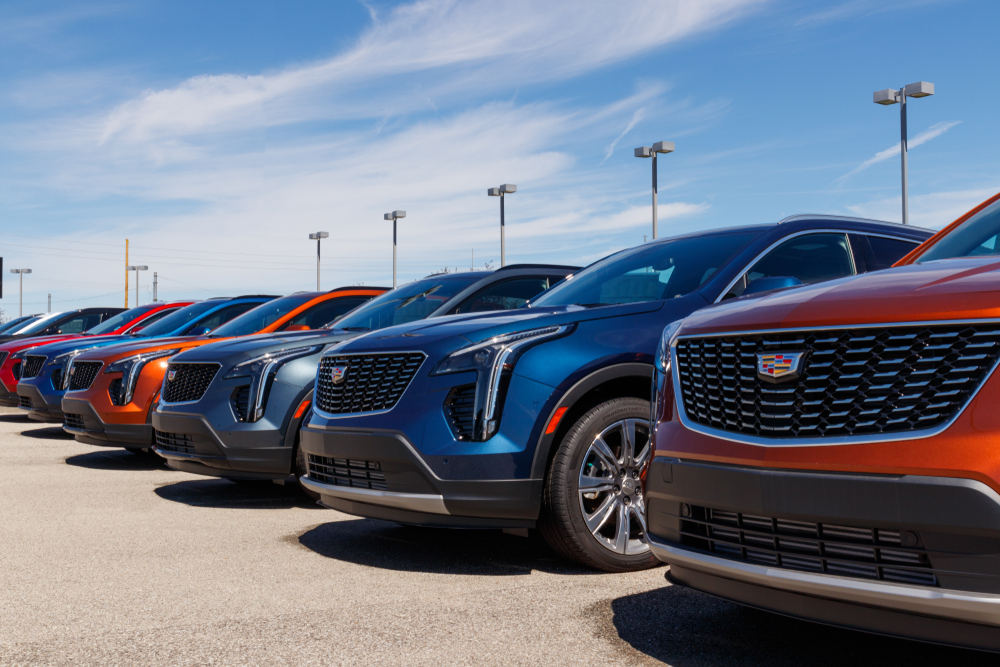
Detroit Automakers’ Toughest Quarter: Challenges and Market Shifts
Detroit’s Big Three are grappling with mounting financial pressures as tariff costs exceed $50 billion in write-downs on their electric vehicle investments. The combination of elevated borrowing costs, bloated dealer inventories, and leadership turnover has created a perfect storm for the auto industry.
Skyrocketing Costs and Shrinking Profits
The Detroit automakers are facing billions in additional costs that are eating into their bottom lines. GM warned of a potential $4 billion to $5 billion hit from tariffs this year alone, while Ford expects a $1.5 billion net impact on profits. These numbers don’t account for the cascading effects of 25% tariffs on imported vehicles and parts.
Stellantis suspended its financial guidance earlier in 2025 as uncertainty mounted. The company reported a net profit of $5.8 billion at year-end 2024, representing a 70% decline from 2023. Ford’s revenue plummeted 5% to $40.7 billion in the first quarter, though it still managed to beat Wall Street expectations.
The pressure isn’t letting up. Analysts expect all three companies to report profits lower than the year-ago period, with GM projected to post quarterly earnings of $2.44 per share, down 20.3% year-over-year.
Stubbornly High Interest Rates and Vehicle Affordability
Interest rates remain a significant headwind for the auto industry as buyers struggle with the cost of financing new vehicles. Economic jitters have kept potential customers on the sidelines, forcing automakers to consider discounts to move inventory. The challenge is particularly acute because many buyers who worried about tariff-driven price increases rushed to purchase vehicles earlier in the year, pulling sales forward.
That initial rush created a false sense of momentum. Sales sputtered to a near halt in June, with the industry seeing a 13.1% decline compared to the previous year. Analysts predict the slowdown will continue through the second half of the year, putting automakers in a difficult position. They must choose between stimulating sales by cutting into margins or passing incremental costs to consumers who are already stretched thin.
The loss of the federal EV tax credit after September 30 compounds the affordability problem, removing up to $7,500 in incentives that helped make electric vehicles accessible.
Inventory Surges on Dealer Lots
Dealer lots are filling up as the June sales slowdown neutralizes earlier gains. Stellantis dealers have been particularly vocal about excessive inventory levels, a problem that contributed to tensions during former CEO Carlos Tavares’ tenure. The automaker’s second-quarter U.S. sales declined 10%, adding to the glut.
Ford and GM dealers are watching their lots carefully too. While both companies saw strong initial sales in the second quarter, production cuts suggest they’re bracing for continued weak demand. The inventory buildup forces a tough calculation: offer aggressive incentives that reduce profit margins or risk having vehicles sit unsold while carrying costs mount.
New vehicles subject to the 25% import tariff present an additional challenge for dealer lots. Stellantis faces this issue with the four-door Dodge Charger made in Canada and the upcoming Jeep Cherokee manufactured in Mexico.
Executive Insights: Carlos Tavares and Industry Leadership
Carlos Tavares resigned from Stellantis in late 2024 after a rocky tenure marked by poor sales numbers and strained relationships with North American dealers and employees. His departure came as the company’s stock fell more than 50% over 12 months.
Antonio Filosa took over as CEO on May 28, 2025, signaling a shift in approach. The former Jeep boss has indicated Stellantis will focus more intentionally on the North American market, a contrast to Tavares’ perceived neglect of the region. Since the start of 2025, Stellantis’ stock has fallen more than 25%.
Industry analysts remain cautious about the leadership transition. While Filosa’s North American experience is viewed favorably, he inherits massive challenges including below-average profit expectations for key upcoming models and ongoing dealer frustrations.
Climbing Costs, Supply Chain Pressures, and the Road Ahead
Detroit’s automakers are grappling with simultaneous pressures that have sent production costs soaring while forcing fundamental changes to decades-old business models. The combination of ongoing supply chain disruptions, labor unrest, and the expensive pivot to electric vehicles has created a financial squeeze that shows no signs of letting up.
Supply Chain Hiccups and The Chip Shortage
The semiconductor crisis that began during the pandemic continues to haunt Detroit’s production lines. According to the Detroit Regional Chamber, supply chain volatility cost the North American auto industry billions in lost production between 2020 and 2022.
Major automakers are now abandoning the “just-in-time” inventory approach that defined manufacturing for decades. General Motors and Ford are investing heavily in AI and blockchain tracking to gain end-to-end visibility of their supply chains.
The shift to electric vehicles adds another layer of complexity. EVs require entirely different components than traditional vehicles, including heavy batteries and rare earth minerals that demand new logistics infrastructure. Automakers are now stockpiling critical components while using predictive analytics to manage non-critical parts flow.
Recent tariff policies have further complicated matters. New U.S. tariffs on goods from Canada and Mexico have disrupted the highly integrated North American supply chain, with 25% duties applying to most imports from both countries.
Labor Negotiations and United Auto Workers Strikes
The United Auto Workers strikes added significant financial pressure to Detroit’s bottom line. The work stoppages forced automakers to pull vehicle production forward in some cases to get ahead of anticipated disruptions.
To claw back lost margins, the Detroit Three must now reexamine their largest cost bucket—overall material costs along the entire supply chain. The combination of increased labor costs from new union agreements and rising material expenses has created a double burden.
The strikes came at a particularly vulnerable moment when automakers were already dealing with thin margins and competitive pressures from Asian and European brands.
Push for Electrification and Shifting Business Models
The transition to electric vehicles represents both an opportunity and a massive financial challenge for Detroit automakers. Battery manufacturing facilities coming onshore to Michigan require upgraded logistics infrastructure capable of handling hazardous materials and heavy loads safely.
Michigan is investing in smart corridors—roads equipped with sensors to communicate with freight trucks—to streamline goods movement between suppliers and assembly plants. The state’s focus on resilience aims to protect Detroit’s position as the automotive capital.
The electrification push demands entirely new skill sets from the workforce. Programs are being rolled out to train employees in inventory management software and automated systems as the industry moves beyond traditional assembly line work.
Suppliers are pushing tariff costs to automakers, forcing manufacturers to seek less expensive products. This creates tension in supplier relationships while automakers attempt to maintain quality standards during the EV transition.
More from Steel Horse Rides: