
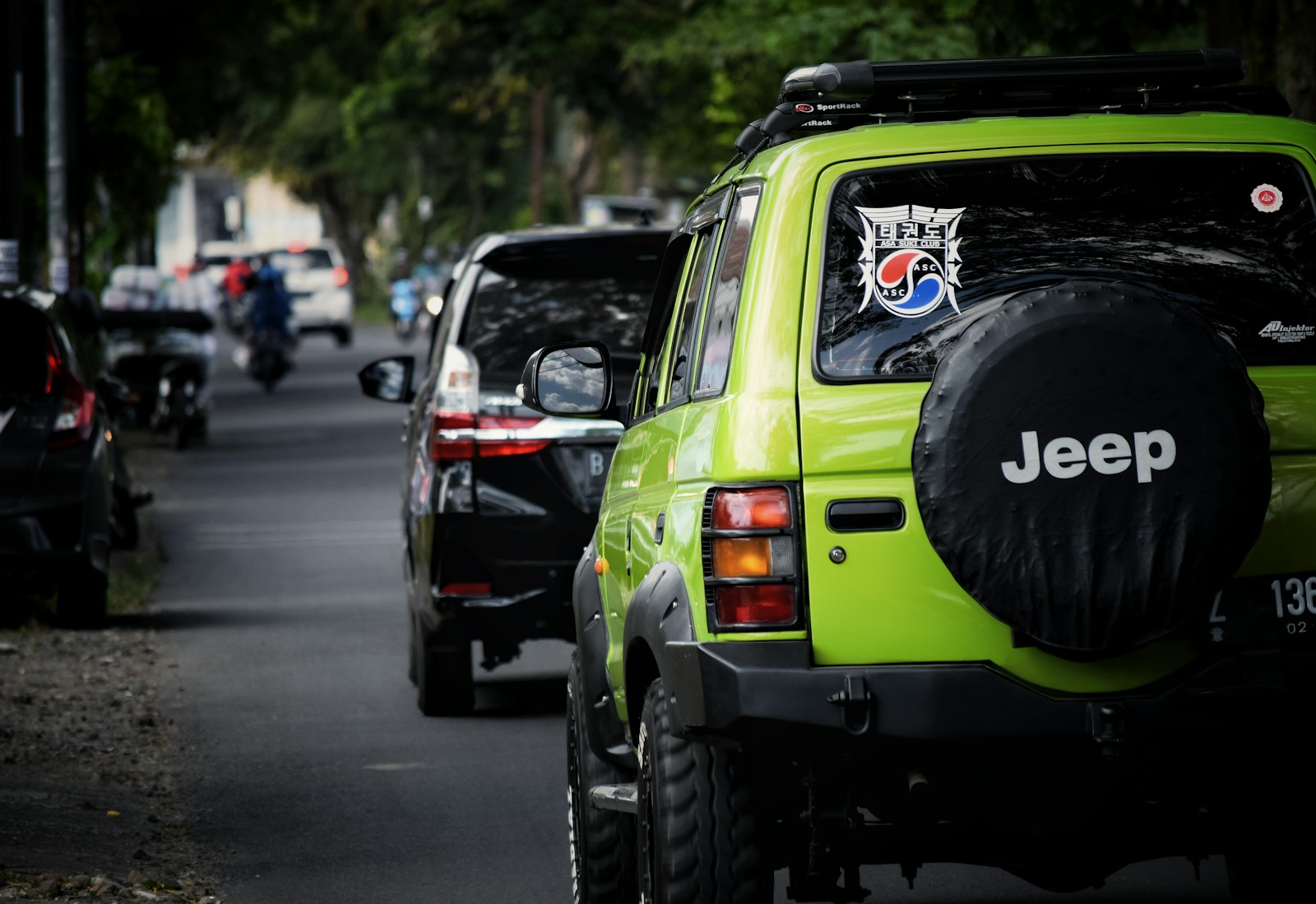

If you drive a 2003 to 2016 Chrysler, Dodge, Jeep, or Ram, Stellantis has a two-word message for you: stop driving.
The automaker’s U.S. arm, FCA US, escalated its Takata airbag recall campaign in February 2026 to a formal “Do Not Drive” warning covering approximately 225,000 vehicles that still carry original Takata airbag inflators. The directive, confirmed by the National Highway Traffic Safety Administration, followed fatal crashes in which drivers were killed not by collision forces but by metal shrapnel fired from ruptured airbag inflators. As of March 2026, the warning remains active, and the vast majority of those 225,000 vehicles have not yet been repaired.
Why the warning escalated now
Takata airbag recalls have been rolling out since 2014 in what became the largest auto safety recall in U.S. history, ultimately covering more than 67 million inflators across dozens of brands, according to NHTSA’s Takata recall spotlight. At least 27 deaths in the United States have been linked to Takata inflator ruptures.
The problem is a chemical one. Takata inflators use ammonium nitrate as a propellant to rapidly fill an airbag during a crash. Over time, exposure to heat and humidity causes the ammonium nitrate to break down. When a degraded inflator fires, the metal canister can fracture violently, sending jagged fragments through the airbag cushion and into the driver or passenger.
For years, Stellantis and other automakers used standard recall language, mailing notices and asking owners to schedule a free repair at their convenience. But recent fatal crashes involving older Chrysler, Dodge, and Jeep vehicles pushed FCA US to abandon that approach. The company determined that the remaining unrepaired inflators, some now more than 15 years old, pose an unacceptable risk of serious injury or death if the airbags deploy. The result was a shift from “please schedule a repair” to “do not drive this vehicle.”
Which vehicles are covered
The stop-drive warning applies to 2003 through 2016 model-year Chrysler, Dodge, Jeep, and Ram vehicles equipped with the affected Takata inflators. That includes Dodge Ram pickup trucks, Dodge Sprinter vans, and a range of sedans and SUVs across all four brands, according to Fast Company’s reporting on the campaign.
The directive spans multiple recall campaigns originally filed with NHTSA under campaign numbers 16V352, 18V021, and 19V018. Not every vehicle from those model years is affected. The determining factor is whether the original Takata inflator is still installed. Vehicles that already received replacement parts during earlier recall rounds are not included.
Thousands of affected vehicles concentrated in single cities
The 225,000 figure is a national count, but the risk is not spread evenly. FCA US estimates that at least 19,000 of the affected vehicles are still on the road in the Houston metropolitan area alone, according to Click2Houston. Hot, humid climates like Houston’s accelerate the chemical breakdown of ammonium nitrate, which means the inflators in those vehicles may be among the most dangerous in the country.
The concentration also reflects a pattern safety regulators have seen across the broader Takata recall: older vehicles change hands frequently, often through private sales where recall paperwork never transfers. Owners may have no idea their truck or SUV carries an open safety recall, let alone one serious enough to warrant a stop-drive order.
Why so many vehicles remain unrepaired
After more than a decade of Takata-related recalls, the persistence of 225,000 unrepaired Stellantis vehicles points to a familiar set of obstacles. Some owners moved and never updated their registration addresses, so recall mailers went to the wrong house. Others bought their vehicles secondhand and were never notified at all. And some drivers simply assumed that a recall notice about airbags was routine, not urgent, especially if the vehicle seemed to run fine.
Stellantis has acknowledged the challenge. The company told USA Today that it is now contacting owners through letters, phone calls, emails, and digital alerts, using sharper language than previous rounds. The shift to “Do Not Drive” is itself a communication strategy: regulators and automakers have found that standard recall phrasing does not convey the life-or-death stakes clearly enough to motivate action.
How to check if your vehicle is affected
Owners can determine whether their vehicle falls under the stop-drive warning in a few minutes:
- NHTSA recall lookup: Enter your 17-character VIN at nhtsa.gov/recalls. The tool will show all open recalls tied to your vehicle, including Takata campaigns.
- FCA customer hotline: Call 833-585-0144 to ask whether your Chrysler, Dodge, Jeep, or Ram is under the Do Not Drive notice and to schedule a free repair, as outlined by the Houston Chronicle.
- Check To Protect: The industry-backed site CheckToProtect.org lets drivers search by license plate or VIN for any open safety recalls, including Takata-related campaigns.
What to do if your vehicle is on the list
Stellantis and NHTSA are clear: do not drive the vehicle. Park it and arrange alternative transportation until the airbag inflator is replaced. The repair is free at any authorized Chrysler, Dodge, Jeep, or Ram dealership.
For owners who cannot safely get the vehicle to a dealer without driving it, FCA has indicated that some dealerships can coordinate towing or mobile repair services. Owners should call the FCA hotline at 833-585-0144 to ask about options available in their area.
The repair itself involves replacing the Takata inflator with a non-Takata part and typically takes a few hours at the dealership. Parts availability has improved significantly since the early years of the recall, when demand far outstripped supply, though owners in some regions may still face short wait times for scheduling.
The bigger picture
The Stellantis stop-drive warning is a reminder that the Takata airbag crisis, first declared a national safety emergency more than a decade ago, is not over. Millions of recalled inflators have been replaced across the industry, but the vehicles still carrying original parts are, by definition, the ones where outreach has failed so far. They are also the ones where the inflators are oldest and most likely to have degraded.
Other automakers, including Honda, Toyota, and Ford, have issued their own Takata-related stop-drive notices for specific models in recent years. NHTSA continues to track completion rates and push manufacturers to reach remaining owners. For drivers of older Chrysler, Dodge, Jeep, and Ram vehicles, the calculus as of spring 2026 is simple: check your VIN, and if your vehicle is on the list, keep it parked until the repair is done.
More from Wilder Media Group: