
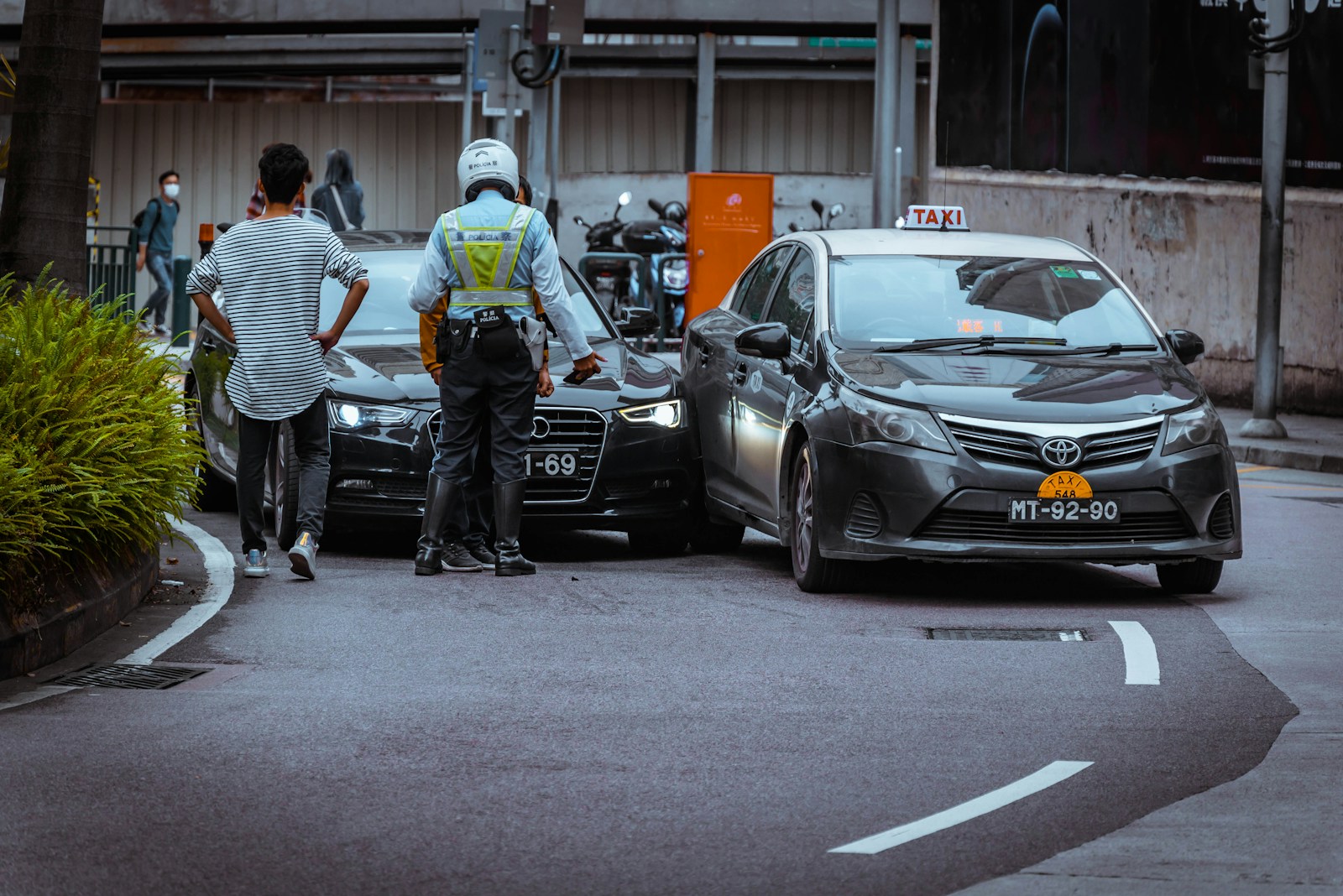

One impatient lane change, a driver cut off in heavy traffic, and a flash of anger that feels justified in the moment. Again and again on American highways, that split second is all it takes for a minor slight to spiral into a crash, a shooting, or a life-altering criminal case. The pattern is now so familiar that police, psychologists, and safety advocates are treating road rage as a public safety crisis rather than a collection of isolated outbursts.
From crowded interstates to suburban arterials, recent cases show how quickly a frustrated driver can move from leaning on the horn to drawing a weapon or using a vehicle as a battering ram. The escalation is rarely rational, yet it is increasingly predictable, and it often starts with the same trigger: someone feels disrespected when another car cuts in front of them.
The split second when annoyance turns into aggression
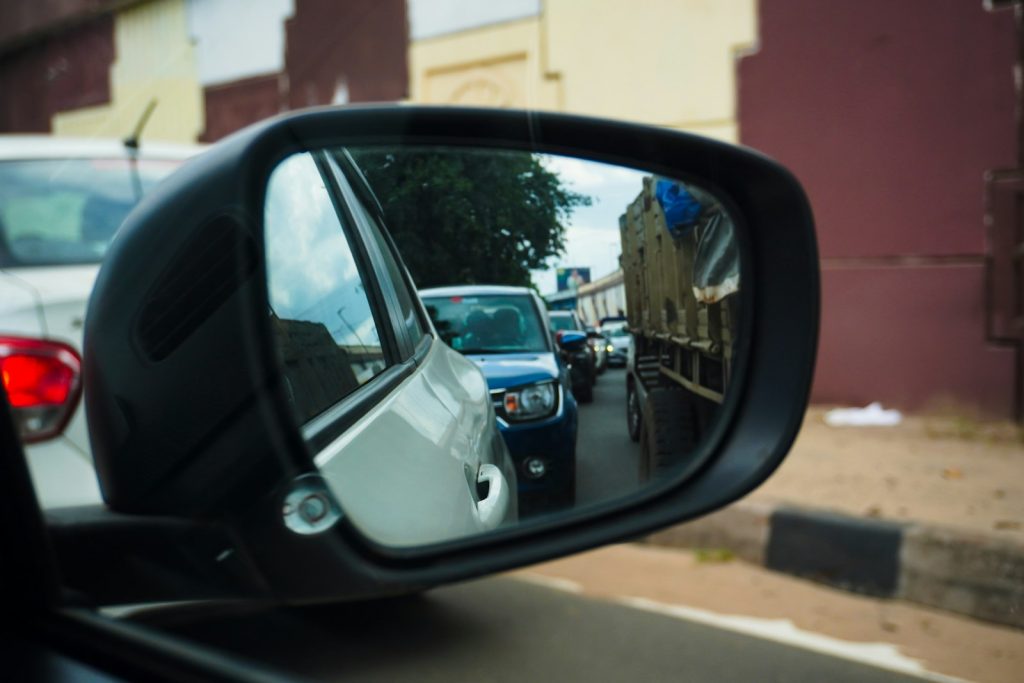
Most drivers know the jolt of irritation when another car dives into their lane with barely a signal. That moment, when a driver feels cut off and wronged, is where the story can either end with a muttered complaint or begin a chain of retaliation. Safety guidance is blunt that if someone cuts you off, the safest move is to slow down and give them room to merge, not to speed up or tailgate in an attempt to “teach them a lesson,” because crowding the other vehicle only increases the risk of a collision and invites a confrontation, especially when Driving conditions are already tense.
Yet the emotional pull in that instant is powerful. Drivers who feel boxed in or disrespected often accelerate, brake-check, or swerve in front of the other car, turning a single lane change into a rolling argument. Traffic experts warn that these behaviors are classic aggressive driving, and that in Extreme cases of aggressive driving, the pattern escalates to road rage that can end in violence. Once a driver crosses that line, the law treats the vehicle as a potential weapon and the behavior as a criminal offense, not a momentary lapse in manners.
How a cut-off escalated into gunfire on a packed interstate
The danger of letting that first flash of anger dictate the next move was on stark display on Interstate 94 near Detroit, where state troopers say a road rage encounter turned into a shooting after one driver could not change lanes in time. What began as a dispute over space on the highway quickly became a moving confrontation, with both vehicles jockeying in traffic instead of backing off. The report describes how the conflict did not resolve when the initial maneuver ended, it followed the drivers down the road.
Investigators noted that, due to congestion, both vehicles eventually ended up side by side, a scenario that gave the angry driver a new opening to act on his frustration. At that point, troopers say the driver fired at the other car, putting not only his target but everyone nearby at risk, a sequence that underscores how Due to traffic congestion, a single bad decision can trap multiple vehicles in the same dangerous pocket of roadway. The shooting turned a routine commute into a crime scene, and it began with the same grievance drivers voice every day: someone felt cut off and refused to let it go.
Stress, perception, and the psychology of road rage
Psychologists point out that the car is not just a machine, it is a moving bubble of personal space, and when another driver cuts in, it can feel like an invasion. Research on the psychology of road rage highlights how Stress and Anxiety from traffic congestion, long commutes, and unexpected delays primes drivers to overreact to minor slights. When someone is already tense from work deadlines or family pressures, a sudden lane change can be interpreted as a deliberate insult rather than a simple misjudgment.
Inside the vehicle, that stress response is amplified by anonymity and metal. Drivers cannot see each other’s faces clearly, so they fill in the gaps with assumptions about intent, often assuming hostility where there is none. Safety campaigns urge motorists to Consider whether they themselves have done something to annoy another driver and to adjust their own behavior, a small mental shift that can defuse the sense of being uniquely targeted. Even simple tactics like choosing to Listen to calming music instead of talk radio can lower the emotional temperature enough to prevent an aggressive response when someone merges abruptly.
When anger turns vehicles into weapons
Once a driver decides to retaliate physically, the car itself often becomes the first weapon. Police in New York described a recent case where road rage caused a crash and a full highway shutdown after one motorist used their vehicle to force another off the road. The incident, which unfolded On January 5, 2026, was captured on video and shared with a warning that no life is worth the risk of indulging a moment of rage. The crash did not just damage the vehicles involved, it shut down a major route and stranded other motorists who had nothing to do with the original dispute.
Similar patterns appear in other footage, including dash cam video that shows an aggressive driver repeatedly cutting in front of others and eventually forcing a vehicle off the road. In one widely shared clip, posted with the note that it was Posted in mid January and later Last updated with additional context, the driver’s pattern of sudden cuts and swerves put multiple people at risk long before the final shove off the pavement. These cases illustrate how a car, when steered by anger, can become as dangerous as any weapon, even before a gun ever appears.
From ramming to shooting, when violence piles on violence
In some of the most alarming incidents, the escalation does not stop with a crash. On the West Side of SAN ANTONIO, police say Three men were hospitalized after their vehicle was repeatedly rammed from behind and then sprayed with gunfire. The victims told officers that the attack began as an apparent road rage encounter on Wednesday on a local highway, with the suspect using their car as a battering ram before escalating to a firearm. The sequence shows how quickly a driver’s decision to retaliate can stack one violent act on another.
Elsewhere, a confrontation in South Carolina ended in a deadly shooting after a highway crash that investigators linked to road rage. The account describes how a collision on the roadway led to a confrontation in which one person drew a gun, and the case is now being examined in the context of self defense and the use of a Road Rage Incident in a Fatal Shooting After. In both cases, what began as a dispute over driving behavior escalated into gunfire, leaving families and communities grappling with the aftermath of a few seconds of fury.
Teen shooters, dashcams, and the new face of road rage
Road rage is no longer confined to middle aged commuters in sedans. In one case that stunned investigators, a 15-year-old is accused of shooting a truck driver after a semi and a sedan clipped each other in what authorities described as a road rage incident. Officials in Harris County said the confrontation began when the vehicles made contact, but instead of exchanging insurance information, the situation escalated to gunfire allegedly involving a teenager who should not have had access to a firearm at all. The case underscores how the culture of instant retaliation is seeping into younger drivers who have grown up watching viral clips of roadside confrontations.
Those viral clips are also reshaping how the public understands road rage. In California, dashcam video from Agora Hills captured a terrifying sequence in which a driver repeatedly swerved at another car, an incident recounted by a victim identified only as Nick. The footage, shared widely online, shows how quickly a routine drive can become a chase, and it provides investigators with evidence that goes beyond conflicting eyewitness accounts. As more vehicles carry cameras, the reality of these encounters is harder to dismiss as exaggeration, and the public can see, frame by frame, how a single cut-off can spiral into a sustained attack.
Public backlash and the social media court of opinion
Every high profile road rage case now plays out twice, once on the highway and again on social media. After an apparent road rage shooting on Highway 90 in South Carolina left one person dead, online commenters flooded local pages with grief, anger, and calls for accountability. One roundup of reactions invited readers to See the posts and highlighted how quickly the community focused on the choices that led up to the shooting, with many pointing out that no perceived slight on the road justifies pulling a trigger. The piece, written By Damian Bertrand and Updated January 7 at 12:39 PM, captured a community trying to process how a moment of anger could end a life.
Social platforms also host broader conversations about driving culture. In one discussion thread, a commenter bluntly observed that drivers cutting in front of others “just because” are simply annoying, but urged people to respond differently, writing that motorists should Try to stay calm when other drivers are angry and to allow extra time in their journeys to reduce stress. That kind of peer to peer advice, shared in community groups rather than official campaigns, reflects a growing recognition that everyone on the road has a role in preventing the next viral clip from being a tragedy.
Law, accountability, and the message from authorities
Law enforcement and legal experts are increasingly explicit that road rage is not a joke or a meme, it is criminal conduct. One widely shared message stressed that Road rage is a pervasive and escalating problem rooted in stress, impatience, and a false sense of entitlement, and that the roadway is no place for a short temper. That framing matters because it shifts the conversation from “bad manners” to legal responsibility, reminding drivers that tailgating, swerving, and brandishing weapons can lead to charges that follow them long after the traffic clears.
Police case files reinforce that message. In Houston, investigators described how an aggressive pickup driver targeted a car carrying a man in his early 20s and his pregnant girlfriend, with officers saying They saw the truck get in front of the couple and start brake-checking them. The confrontation ended when the aggressive driver was shot, and the case became a tangle of self defense claims and questions about who escalated first. Legal analysts note that such incidents can lead to charges ranging from assault with a deadly weapon to homicide, and that even when a driver avoids prison, civil lawsuits and insurance consequences can be severe.
How to respond when you are the one cut off
For drivers who want to avoid becoming the next headline, the advice from safety experts is both simple and surprisingly hard to follow in the heat of the moment. When another car cuts you off, the safest response is to ease off the accelerator, create space, and resist the urge to honk or gesture, even if the other driver’s move was clearly unsafe. Official guidance emphasizes that if someone cuts you off, slowing down and giving them room to merge is far safer than trying to block them, and that if a faster driver wants to pass, the best move is to change lanes and let them by, a principle spelled out in detail in public materials on Road Rage and lane courtesy.
Prevention also means recognizing one’s own triggers. Legal and safety resources stress that How to Protect Yourself on the road starts with Road Prevention, including leaving earlier to avoid rushing, planning routes that minimize congestion, and pulling over safely if emotions start to spike. Mental health professionals who specialize in anger and anxiety encourage drivers to treat the car as an extension of their emotional state, not a separate zone where normal rules do not apply. If someone finds themselves frequently shouting, tailgating, or fantasizing about payback, that is a sign to seek help, not a quirk to laugh off.
Why every “small” incident matters
Supporting sources: Becca Good, Wife.
More from Wilder Media Group: