
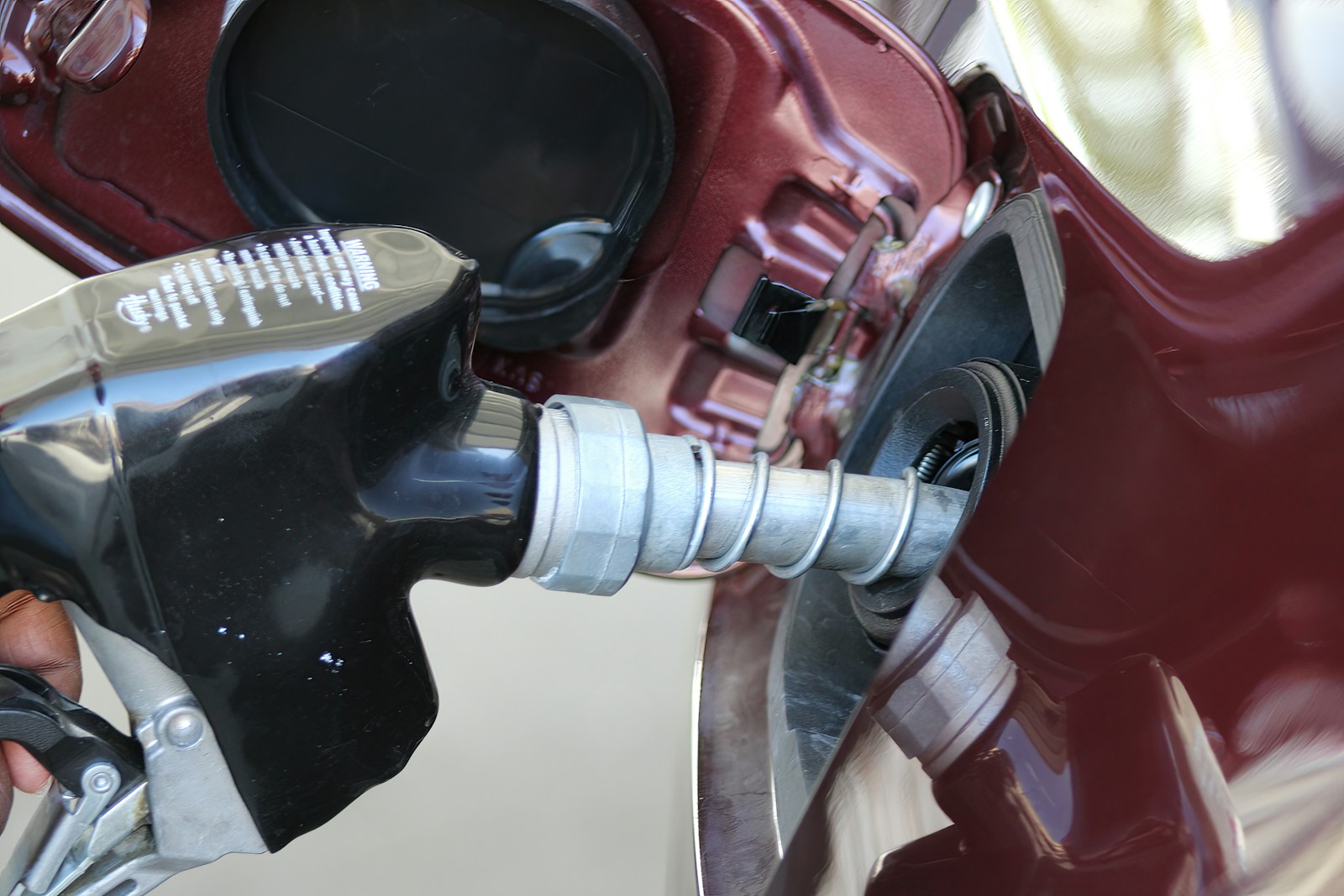

For many drivers, a quick stop at a gas station feels routine, even safe. Yet a growing wave of fast, targeted thefts is turning those two-minute errands into costly ordeals, with motorists returning to find a crucial piece of their vehicle gone and a repair bill that can rival a major accident. The most common missing part is the catalytic converter, a component thieves can remove in less time than it takes to pay for a coffee, leaving behind a gutted exhaust system and a driver suddenly stranded.
What looks like a bizarre one-off crime is, in reality, part of a national pattern that has spread from school parking lots to suburban shopping centers and busy fuel pumps. Law enforcement agencies, insurance experts, and repair shops are now treating these lightning-fast thefts as a distinct category of auto crime, one that demands new habits from drivers and new tools from policymakers if the trend is going to be slowed.
The Two-Minute Gas Station Shock

The scenario is brutally simple. A driver pulls into a gas station, steps inside to pay or grab a snack, and returns to a car that suddenly sounds like a race car or will not start properly. In many of these cases, thieves have used that brief window to slide under the vehicle, cut away the catalytic converter, and disappear before anyone notices. Investigators say the speed of these thefts is part of what makes them so difficult to stop, especially in busy locations where the sound of tools can blend into background noise.
Security footage has become one of the few reliable ways to reconstruct what happened in those short minutes. In one case on Lebanon Pike, detectives spent Months of analyzing video from a gas station to confirm the identity of a suspect, identified as Hudgens, who was later booked on multiple charges. That kind of painstaking review underscores how quickly suspects can move in real time and how much effort is required after the fact to piece together a case.
Why Catalytic Converters Are the New Target
Catalytic converters have become a favorite target because they contain precious metals that can be resold for significant sums, even when the part itself is badly damaged. Thieves do not need to know anything about the car beyond where the converter sits in the exhaust line, and a basic set of cutting tools is enough to remove it. The payoff is high compared with the risk, especially when the theft happens in a crowded public place where a person under a car might be mistaken for a mechanic.
In California, data show that the most targeted vehicle for these thefts is the Toyota Prius, the most popular hybrid on the road. Law enforcement agencies there have documented more than 150,000 catalytic converters stolen in a single year, and analysts believe the problem may still be underreported. The combination of high ground clearance on some models, predictable parking patterns, and the value of the metals inside the converter has turned certain cars into rolling targets.
From School Lots to HARRIS COUNTY Gas Pumps
The gas station theft story fits into a broader pattern that has hit communities far from major highways. In HARRIS COUNTY, officials have warned that catalytic converter thefts have surged in neighborhoods and commercial areas alike, prompting the Sheriff and his Office to urge residents to take extra precautions. A regional alert highlighted how thieves are targeting vehicles in places where drivers feel comfortable leaving them unattended for short stretches, including school campuses and retail parking lots.
One victim, Bobbie Pfleger, described how converters were stolen from her car while her daughter was using it during school hours at Klei, a reminder that these crimes are not limited to late-night or isolated locations. Reports from the same region note that catalytic converter thefts have more than tripled, with Bobbie Pfleger and other residents facing repair costs that can run into the thousands. The Sheriff has framed the trend as a quality-of-life issue as much as a property crime problem, since a stolen converter can sideline a family vehicle for days.
Daytime Thefts in Plain Sight
What unsettles many drivers is that these thefts are no longer confined to dark corners or overnight street parking. In New Canaan, police reported that 2 cars were stolen from public spots during the first few days of the year, prompting a warning that daytime thefts in busy areas are still occurring. Officers there stressed that even short errands can create opportunities for criminals who are watching parking lots and gas pumps for vehicles left running or unlocked.
The New Canaan cases, detailed by local authorities By Jessica Bravo as Staff Writer, show how quickly a thief can slip into a vehicle that has been left unattended with the keys inside. While those incidents involved entire cars rather than parts, the pattern is similar. Criminals are exploiting brief lapses in attention, whether that means an unlocked door at a fuel pump or a driver who steps away from a running engine to use an ATM.
How Law Enforcement Is Trying to Catch Up
Police departments and sheriffs’ offices are responding with a mix of public warnings, targeted patrols, and legislative advocacy. In HARRIS COUNTY, the Sheriff has used public briefings to highlight the scale of catalytic converter thefts and to encourage residents to Protect their vehicles with simple steps like parking in well lit areas and engraving identifying information on the converter. The Sheriff and his Office have also worked with community groups to distribute flyers and host events where technicians mark converters to make them harder to resell.
Nationally, industry groups have pushed for broader measures that go beyond local patrols. Advocates note that catalytic converter theft may not dominate headlines as it did in the immediate aftermath of COVID, but it remains a persistent problem that has drawn attention in Congress. A coordinated deterrence effort has gained new momentum, with proposals that would require better record keeping for scrap metal sales and tougher penalties for trafficking in stolen parts, as outlined in discussions around Catalytic converter theft deterrence. Law enforcement leaders argue that without changes in how these parts are tracked and sold, local arrests will only chip away at a much larger market.
What Drivers Should Do the Moment They Notice Damage
For drivers who return to a gas pump and realize something is wrong, the first steps can shape both the investigation and the insurance outcome. Experts advise treating a missing catalytic converter or a stolen vehicle as an active crime scene, which means not driving the car if it is clearly damaged and avoiding any attempt to chase a suspect. Instead, motorists are urged to Call the police and file a report as soon as they are sure the vehicle or part has been stolen, providing details such as the license plate number, vehicle identification number, and a description of any suspicious activity they observed.
Guidance from connected car services emphasizes that Once a driver has contacted law enforcement, the next calls should be to their insurer and, if applicable, to any tracking service that might help locate the vehicle. One advisory from a connected car platform notes that drivers should be prepared with documentation, including photos of the scene and any prior images of the vehicle, when they speak with adjusters, as outlined in recommendations from Call the police guidance. That documentation can speed up claims and help establish the timing and location of the theft.
Documenting the Scene Like an Investigator
Even in the shock of discovering a missing car part, methodical documentation can make a difference. Collision and insurance experts advise drivers not to leave the scene or move the car until they have gathered basic evidence, especially if the vehicle is in a safe location. One widely shared checklist on parked car incidents starts with a simple question, What should I do if someone hits my parked car, and then walks drivers through steps that also apply to thefts, including taking photos, noting the time, and looking for witnesses.
Specialists in post-incident repairs recommend a structured approach. Step 2 in one guide is to Document the Scene Take Photos, with instructions to Use a phone to capture clear images of the damage, the surrounding area, and any relevant signage or cameras. That same guide urges drivers to look for witnesses and check for surveillance cameras that might have recorded the incident, advice echoed in materials from Step by step repair resources. Applying that mindset at a gas station means scanning for camera domes, noting pump numbers, and asking attendants whether they can preserve footage for investigators.
Insurance, Liability and the Fine Print
Once the immediate shock passes, the next challenge is navigating insurance coverage. Many drivers only discover after a theft that their policy treats a missing catalytic converter differently from collision damage. Comprehensive coverage is typically required for theft-related claims, and insurers often expect prompt reporting and detailed documentation. Consumer guides on parked car accidents, including those that begin with the question What should I do if someone hits my parked car, stress that drivers should Don’t leave the scene or delay contacting their insurer, since gaps in the timeline can complicate claims.
Those same resources advise motorists to Locate the policy details that spell out deductibles and exclusions before authorizing repairs, especially when the cost of replacing a converter can approach or exceed the deductible. One widely used insurance explainer on parked car incidents, available through What to do after a hit and run, notes that drivers should gather the same level of detail for thefts as they would for collisions. That includes police report numbers, photos, and any statements from gas station staff, all of which can help establish liability if a business failed to maintain basic security measures.
How Drivers Can Make Their Cars Less Appealing Targets
Prevention strategies are evolving as quickly as the thieves. Law enforcement agencies and industry groups now recommend a mix of behavioral changes and physical deterrents. At the behavioral level, drivers are urged to avoid leaving vehicles running and unattended at gas pumps, to park as close as possible to store entrances, and to choose spots that are visible from inside. In HARRIS COUNTY, the Sheriff has encouraged residents to Protect their vehicles by parking in garages when possible and by working with the Sheriff’s Office on community marking events that engrave identification numbers on converters, as described in alerts shared By Rachel Estrada.
On the hardware side, drivers are turning to welded shields, cages, and high strength bolts that make it harder to remove a converter quickly. Industry advocates who have tracked the surge in thefts argue that these devices, combined with visible markings, can push thieves toward easier targets. Reports on how catalytic converter thefts have more than tripled in some regions, including the experience of Klei area victims, suggest that public awareness campaigns are beginning to shift driver behavior. Still, experts caution that as long as scrap markets remain lucrative, thieves will keep looking for the next unattended car, whether it is in a school lot, a quiet side street, or a gas station where a driver thought two minutes would be harmless.
Supporting sources: Harris County Sheriff, Cars stolen in, Catalytic converter thefts, Catalytic converter theft, Man facing multiple, Catalytic converter thefts, What To Do, What to Do, Harris County Sheriff, Catalytic converter thefts, Catalytic converter thefts, Catalytic converter theft, What To Do, What to Do, Man facing multiple, Someone Hit My.
More from Wilder Media Group: