

Traffic stops can pivot from routine to life altering in seconds, especially when a driver hesitates to comply with an officer’s commands. The simple act of refusing to lower a car window has become a flashpoint in debates over police authority, civil rights, and public safety. As recent deadly encounters show, what begins as a minor point of resistance can escalate fast when fear, confusion, and force collide.
Across the United States, drivers, officers, and immigration agents are navigating a tense landscape shaped by viral videos, legal uncertainty, and tragic cases like the killing of Minneapolis woman Renee Nicole Good. Each new incident adds urgency to questions about how far officers may go to compel compliance, what drivers are legally required to do, and how both sides can avoid another traffic stop that ends in gunfire.
When a Simple Refusal Turns Into a Flashpoint
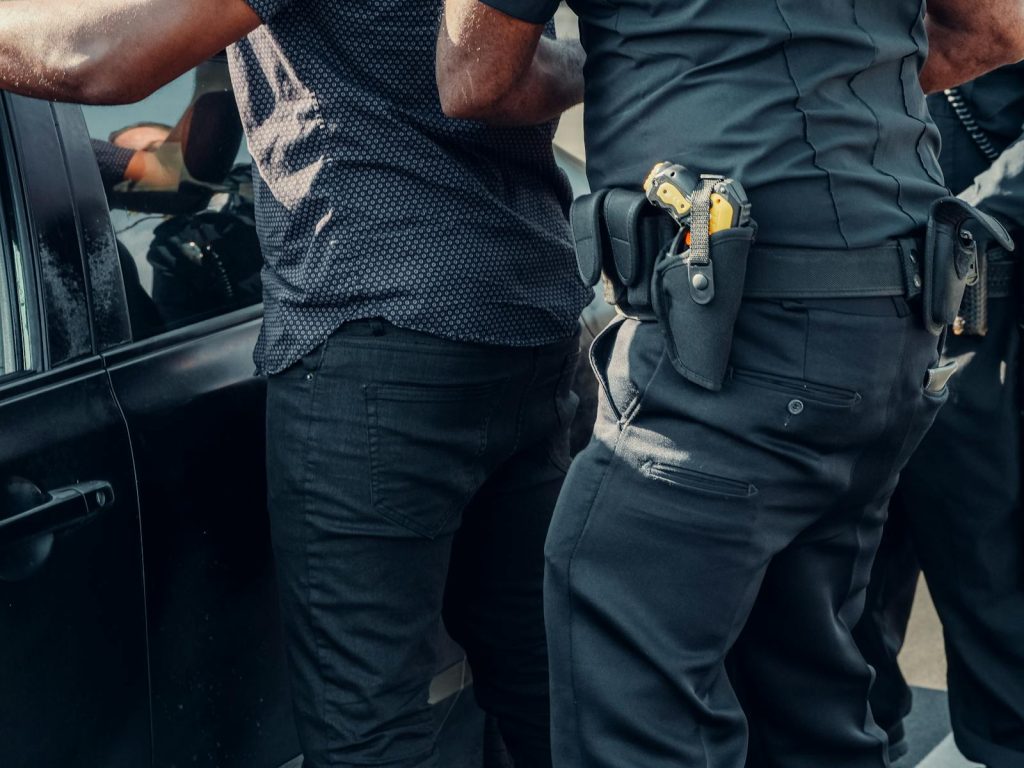
Refusing to roll down a car window is often a driver’s first visible act of resistance, a small barrier that signals distrust and can quickly harden the tone of a stop. Officers typically interpret a closed window as a safety concern, since it limits their ability to see inside the vehicle, smell alcohol or drugs, or hear clearly. Drivers, on the other hand, may see that same glass as a last line of protection while they try to understand their rights, record the encounter, or calm their nerves before engaging.
That mismatch in perception is what turns a simple refusal into a flashpoint. An officer who believes a driver is hiding something may escalate to louder commands, threats of arrest, or attempts to open the door, while a frightened motorist may double down on silence or partial compliance. Once both sides feel under threat, the interaction can spiral from a minor traffic infraction into a confrontation that involves force, weapons, or a panicked attempt to flee, raising the risk of serious injury or death.
The Legal Stakes Behind a Rolled-Up Window
Legally, a driver’s decision to keep a window closed sits at the intersection of constitutional protections and state traffic codes. The Fourth Amendment limits unreasonable searches and seizures, but courts have generally allowed officers to require basic identification and to maintain a clear line of sight into a vehicle during a lawful stop. In many jurisdictions, refusing to lower a window enough for an officer to communicate and verify identity can be treated as failure to comply with a lawful order, which itself may justify further detention or arrest.
At the same time, drivers retain rights that do not vanish at the roadside. They are not required to consent to a vehicle search without probable cause or a warrant, and they may lawfully record the encounter from inside the car as long as they do not interfere with the officer’s duties. The tension arises when a driver uses the closed window as a way to assert those rights, while an officer views the same act as obstruction. Without clear, widely understood rules about how much cooperation is required, both sides are left to improvise under stress, which is when small misunderstandings can become dangerous.
From Traffic Stop to Tragedy: The Case of Renee Nicole Good
The stakes of these roadside confrontations were thrown into stark relief in Minneapolis earlier this year when a traffic encounter involving an agent from The ICE ended with the death of Renee Nicole Good. According to accounts of the incident, the ICE agent involved in the deadly Minneapolis shooting that claimed the life of Renee Nicole Good on January 7, 2026, had a documented history of prior use of force. That background, which included earlier injuries that required 33 stitches, has intensified scrutiny of how the stop unfolded and whether the escalation could have been prevented.
Good’s killing has become a focal point in Minneapolis, not only because it involved a federal immigration officer operating in a city already familiar with high profile police violence, but also because it began as a seemingly controllable encounter. Community advocates have questioned why an interaction that did not start with an immediate threat to life ended with a woman shot and killed, and why an agent with a known record of serious force incidents was in a position to make split second decisions with lethal consequences. For many residents, the case underscores how quickly a stop can turn deadly once an officer perceives defiance or danger, even when the underlying conduct appears minor.
Why Officers Fixate on the Window
From an officer’s perspective, the car window is not just glass, it is a barrier that can hide weapons, contraband, or sudden movements. Training materials often emphasize that vehicle stops are among the most unpredictable and dangerous parts of the job, with officers taught to watch hands, scan the cabin, and control the scene from the first moment of contact. When a driver refuses to lower the window, that protocol is disrupted, and the officer may feel that their ability to assess risk has been compromised before the conversation even begins.
This mindset helps explain why some officers respond so sharply to what might look like a small act of noncompliance. A closed window can trigger a cascade of tactical concerns: muffled communication, limited visibility, and the possibility that the driver is stalling for time or reaching for something out of sight. In that frame, a simple request to roll the window down becomes a test of control. If the driver resists, the officer may interpret it as a sign that the situation is deteriorating, prompting a shift to commands, backup calls, or even drawn weapons, all of which raise the emotional temperature of the encounter.
Drivers’ Fears, Rights, and Misconceptions
Drivers bring their own fears and assumptions to these stops, shaped by viral videos, community stories, and personal experience. Many motorists, especially in communities that have seen repeated incidents of police violence, approach flashing lights in the rearview mirror with a sense of dread. They may worry that any sudden movement will be misread as aggression, that speaking up will be taken as disrespect, or that full cooperation will not guarantee their safety. In that climate, keeping the window mostly closed can feel like a cautious way to slow things down and maintain a small measure of control.
Yet drivers also operate under a patchwork of half remembered legal advice and online commentary, some of it accurate and some dangerously incomplete. People may believe they can refuse all interaction beyond handing over a license, or that a closed window automatically shields them from further questioning. Others may not realize that refusing to comply with basic commands can itself become a chargeable offense, or that sudden attempts to drive away can transform a minor stop into a felony pursuit. The gap between what drivers think the law allows and what officers are trained to expect is one of the main reasons these encounters escalate so quickly.
How Escalation Unfolds in Real Time
Once a driver refuses to roll the window down, the interaction often follows a familiar pattern. The officer repeats the command, sometimes more loudly, and may move closer to the door or gesture toward the handle. The driver, feeling cornered, might crack the window only slightly or remain silent, hoping that partial compliance will satisfy the demand. Instead, the officer may interpret the hesitation as defiance, leading to threats of breaking the window, ordering the driver out of the car, or calling for additional units to surround the vehicle.
Each of these steps adds pressure and risk. Multiple officers on scene can create a sense of overwhelming force for the driver, while the presence of backup can embolden more aggressive tactics. If the driver reaches for a phone, wallet, or registration, officers may misread the movement, especially when visibility is limited by tinted or barely opened glass. In the most volatile cases, a sudden motion, a shouted command, or a misheard word can trigger the use of pepper spray, batons, or firearms, turning a dispute over a window into a life threatening confrontation in a matter of seconds.
Immigration Enforcement and Local Tensions
Encounters involving federal immigration officers add another layer of complexity, particularly in cities like Minneapolis that have wrestled with the role of The ICE in local policing. When an ICE agent conducts a stop, drivers may be unsure whether they are facing a routine traffic enforcement action, an immigration investigation, or some combination of both. That uncertainty can heighten fear for noncitizens and mixed status families, who may worry that even minor noncompliance could lead to detention or deportation in addition to criminal charges.
The killing of Renee Nicole Good has sharpened these tensions by highlighting how federal agents operate within local communities that are already skeptical of aggressive policing. Residents and advocates have questioned whether ICE agents receive adequate training in de escalation and community engagement, and whether their presence at traffic stops blurs the line between civil immigration enforcement and criminal law. When an agent with a documented history of serious force incidents is involved in a fatal shooting, it reinforces concerns that the systems meant to screen and supervise federal officers are not preventing high risk individuals from making life or death decisions on city streets.
Technology, Dashcams, and the Battle for Narrative
Modern traffic stops unfold not only on the roadside but also on screens, as dashcams, body cameras, and smartphone videos capture each command and gesture. For drivers, recording an encounter can feel like a vital safeguard, a way to create an independent record in case events go wrong. For officers, cameras are both a tool and a constraint, documenting their adherence to policy while also exposing split second decisions to public scrutiny. When a driver refuses to roll the window down, the presence of cameras can either calm the situation, by reminding everyone they are being watched, or intensify it, if participants start performing for an imagined audience.
After an incident, these recordings become central to the struggle over what really happened. In cases like the shooting of Renee Nicole Good, investigators, community members, and attorneys pore over footage to determine whether commands were clear, whether the driver posed an immediate threat, and how quickly the situation escalated. The availability of video can correct false narratives and hold officials accountable, but it can also fuel polarized interpretations, with different viewers seeing either justified force or needless aggression in the same frames. As more stops are recorded from multiple angles, the battle over whose perspective defines the truth is becoming as important as the legal proceedings themselves.
What Could Prevent the Next Deadly Stop
Preventing routine stops from turning deadly requires changes on both sides of the window. For law enforcement agencies, that means investing in training that emphasizes communication, patience, and clear explanation of legal obligations before resorting to force. Officers who encounter a driver reluctant to lower a window can be taught to step back, explain the specific safety reasons for the request, and outline the consequences of noncompliance in calm, measured language. Agencies can also review the records of officers and agents, including those like the ICE official involved in the killing of Renee Nicole Good, to ensure that patterns of excessive force are identified and addressed before another tragedy occurs.
For drivers, education about rights and responsibilities is equally critical. Public campaigns, community workshops, and driver’s education courses can clarify what motorists must do during a stop, what they can lawfully refuse, and how to assert their rights without escalating tension. Simple practices, such as turning on interior lights at night, keeping hands visible on the steering wheel, and informing officers before reaching for documents, can reduce misunderstandings. While no set of rules can eliminate the risk inherent in armed encounters on the roadside, a shared understanding of expectations on both sides offers the best chance of ensuring that a closed window remains an inconvenience, not a prelude to another fatal shooting.
More from Wilder Media Group: