
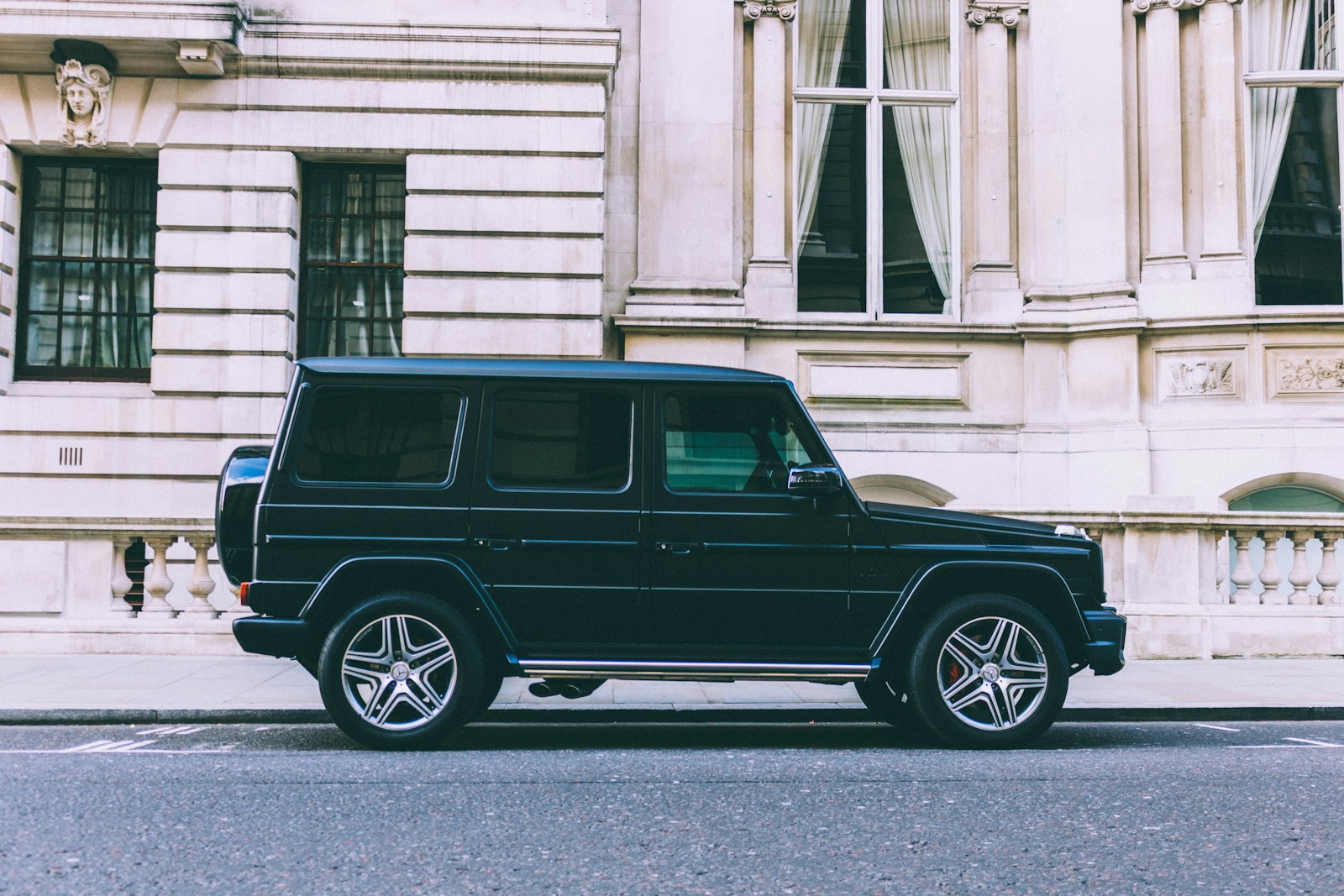

What seemed like a dream purchase quickly turned into a reality check when fuel costs started adding up.
A post shared in the r/Cartalk highlights a driver who says buying a G-Wagon felt like a great decision at the time until monthly fuel costs reached around $700. According to the post, the driver chose to finance the vehicle instead of waiting years to save up, expecting fuel prices to remain manageable. Now, with rising costs, the situation is forcing a second look at that decision. For many drivers, it’s a reminder that ownership costs go far beyond the purchase price.

The Reddit Story Behind the Purchase
In the post, the driver explains that they had planned to save up and buy the vehicle outright, but instead decided to take a loan and enjoy the car sooner. At the time, fuel costs seemed stable enough to justify the decision.
However, things changed quickly. With fuel prices rising, the driver now estimates spending about $700 per month on gas alone. While they mention they can still afford it, the numbers have made them question whether the purchase was truly worth it.
Why Fuel Costs Add Up Faster Than Expected
Vehicles like the G-Wagon are known for performance and luxury, but they also come with high fuel consumption. Larger engines, heavier weight, and lower fuel efficiency all contribute to higher running costs.
When fuel prices increase, the impact becomes even more noticeable. Drivers may not feel the difference immediately, but over time, it adds up to a significant monthly expense.
In this case, what seemed manageable at first has turned into a recurring cost that’s hard to ignore.
As we’ve covered before, fuel economy plays a major role in the long-term cost of owning a vehicle
What Other Drivers Are Saying
The discussion in r/Cartalk reflects a mix of reactions.
Some users pointed out that if fuel prices are a concern, the vehicle may have been too expensive to begin with. Others argued that even if someone can afford it, it still feels frustrating to see costs rise unexpectedly.
There were also practical suggestions, including:
- Using a second, more fuel-efficient vehicle for daily driving
- Switching to a hybrid or smaller car
- Limiting how often the G-Wagon is used
At the same time, some users defended the decision, saying that enjoying a car you love can still be worth the cost — as long as you understand the trade-offs.
The Bigger Lesson About Car Ownership
This situation highlights a common mistake many buyers make: focusing on the purchase price while underestimating ongoing expenses.
Owning a vehicle includes:
- Fuel costs
- Maintenance and repairs
- Insurance
- Depreciation
For high-end or performance vehicles, these costs can be significantly higher than expected.
Even small changes in fuel prices can have a noticeable impact when a vehicle consumes more fuel than average.
What Buyers Should Consider Before Buying
Before purchasing a vehicle, especially one with high fuel consumption, drivers should think about long-term costs.
Key questions include:
- How much will I spend on fuel each month?
- Can I comfortably afford rising fuel prices?
- Will this vehicle fit my daily driving needs?
- Are there more efficient alternatives?
Planning can help avoid situations where a purchase feels less enjoyable over time.
Context & Why This Matters
Fuel prices have always been unpredictable, and they can change quickly based on global conditions. That makes it difficult for drivers to rely on current prices when making long-term decisions.
This story reflects a broader trend where drivers are rethinking large, fuel-hungry vehicles as costs continue to fluctuate.
For official fuel economy and vehicle cost information, drivers can visit the National Highway Traffic Safety Administration (NHTSA):
The Bottom Line for Drivers
Buying a car you love can be rewarding, but it comes with responsibility.
Make sure you consider not just the purchase price, but the ongoing costs that come with ownership.
Because sometimes, the real cost of a car only becomes clear after you start driving it.