
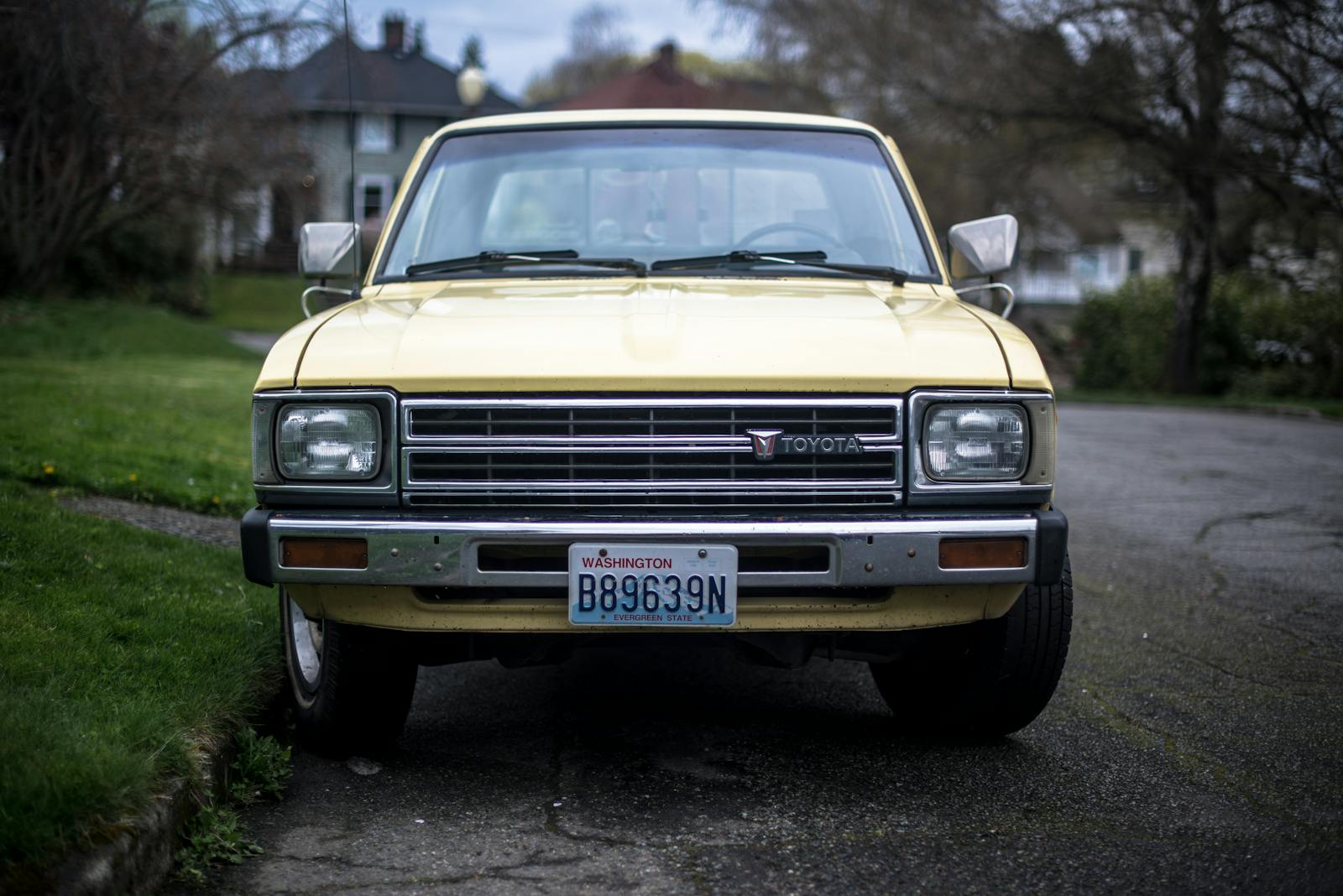

A driver recently found himself on the receiving end of an angry note accusing him of parking poorly, even though he claims he parked perfectly within the designated lines. The stranger’s note, left on his truck windshield, read “You Park Like A Jerk,” creating an awkward situation that highlights how quickly people judge others in everyday scenarios. The incident raises questions about who was really in the wrong when parking spaces are poorly marked or when following the lines still results in public shaming.
Similar confrontations happen regularly in parking lots across the country. People have shared their own moments of leaving notes on cars only to later realize they misjudged the situation.
This particular case caught attention because the driver insists he did nothing wrong by following the painted lines. The note-leaver apparently saw things differently, leading to a dispute that neither party could resolve face-to-face.
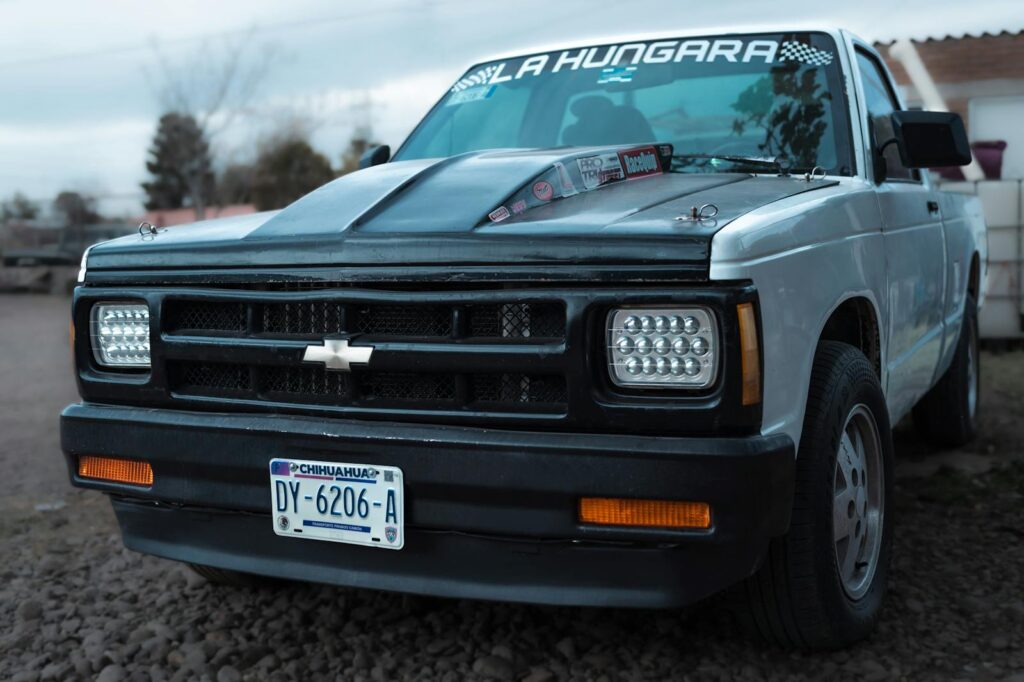
The Parking Lot Incident
A routine shopping trip turned into an unexpected confrontation when the driver returned to find a harsh message waiting on his windshield. The note accused him of parking poorly, but photos he took showed his truck positioned squarely within the marked lines.
What Happened Between the Driver and the Note Writer
The driver never actually met the person who left the note. When he came back to his truck after running errands, he spotted a piece of paper tucked under his windshield wiper.
The note read “You Park Like A Jerk” in bold letters. There was no signature or any other identifying information about who wrote it.
The driver looked around the parking lot but didn’t see anyone waiting nearby or watching. The mystery note writer had already left the scene. He had no way to respond or explain his side of the story to whoever had been so upset about his parking job.
How the Truck Was Parked According to the Lines
The driver insisted his truck was parked correctly within the designated space. He took photos after finding the note to document his parking position.
The images showed the truck centered between two white lines marking the parking spot boundaries. All four corners of the vehicle remained inside the lines with visible space on both sides.
The parking space itself appeared to be a standard-sized spot, not a compact car space. His truck’s wheels were straight, and the vehicle sat parallel to the lines rather than at an angle.
First Reactions to Finding the Note
The driver felt confused when he first read the message. He had been careful to park within the lines and couldn’t understand why someone would leave such an aggressive note.
His confusion quickly turned to frustration. The accusation seemed completely unfair given how he had actually parked.
He decided to take photos of his parking job to prove he had done nothing wrong. The driver later shared the incident and photos online, where other people could see the situation for themselves and weigh in on whether the note was justified.
Why Parking Disputes Happen
Parking disagreements often stem from unclear lot markings, different interpretations of proper parking behavior, and the anonymity that makes people bolder in expressing their frustrations. These conflicts reveal how something as mundane as parking can trigger surprisingly strong reactions between strangers.
Common Misunderstandings in Parking Lots
Parking lot layouts don’t always communicate their intentions clearly. Faded lines, angled spaces that look straight-on, and unclear boundaries between spots create situations where one driver thinks they parked perfectly while another sees a violation.
Weather conditions make things worse. Snow covers lines entirely, forcing drivers to guess where spaces begin and end. What looks centered to the person parking might appear crooked to someone arriving after the snow melts and reveals the actual markings.
Compact car spaces cause regular confusion too. Larger vehicles physically fit within the lines but look out of place, making other drivers think someone parked poorly even when they followed the markings exactly. Older parking lots built before modern vehicle sizes became standard create similar problems.
Frustrations That Lead to Passive-Aggressive Notes
People leave notes instead of confronting drivers directly because it feels safer and less confrontational. The anonymity of a piece of paper lets them express anger they wouldn’t voice face-to-face.
Repeat offenders trigger the strongest reactions. Someone who parks poorly once might get ignored, but a neighbor or coworker who consistently takes up two spaces or parks crooked becomes a target for written complaints. The frustration builds over multiple incidents until someone finally acts.
Limited parking amplifies these tensions dramatically. When spots are scarce and someone appears to waste space through careless parking, other drivers take it personally. The note becomes a way to vent about the inconvenience, whether the parking was actually problematic or just perceived that way.
How Perceptions of Parking Etiquette Differ
Different people have wildly different standards for acceptable parking. Some drivers think staying within the lines is sufficient. Others believe proper etiquette means centering the vehicle perfectly and leaving equal space on both sides.
Regional and cultural backgrounds shape these expectations. Urban drivers accustomed to tight spaces might park closer to neighboring vehicles than suburban drivers find comfortable. What counts as normal in one area strikes others as rude or inconsiderate.
Vehicle size also changes perspectives. Truck owners know their larger vehicles naturally take up more space, but compact car drivers see the same parking job as excessive or selfish.
More from Steel Horse Rides: