
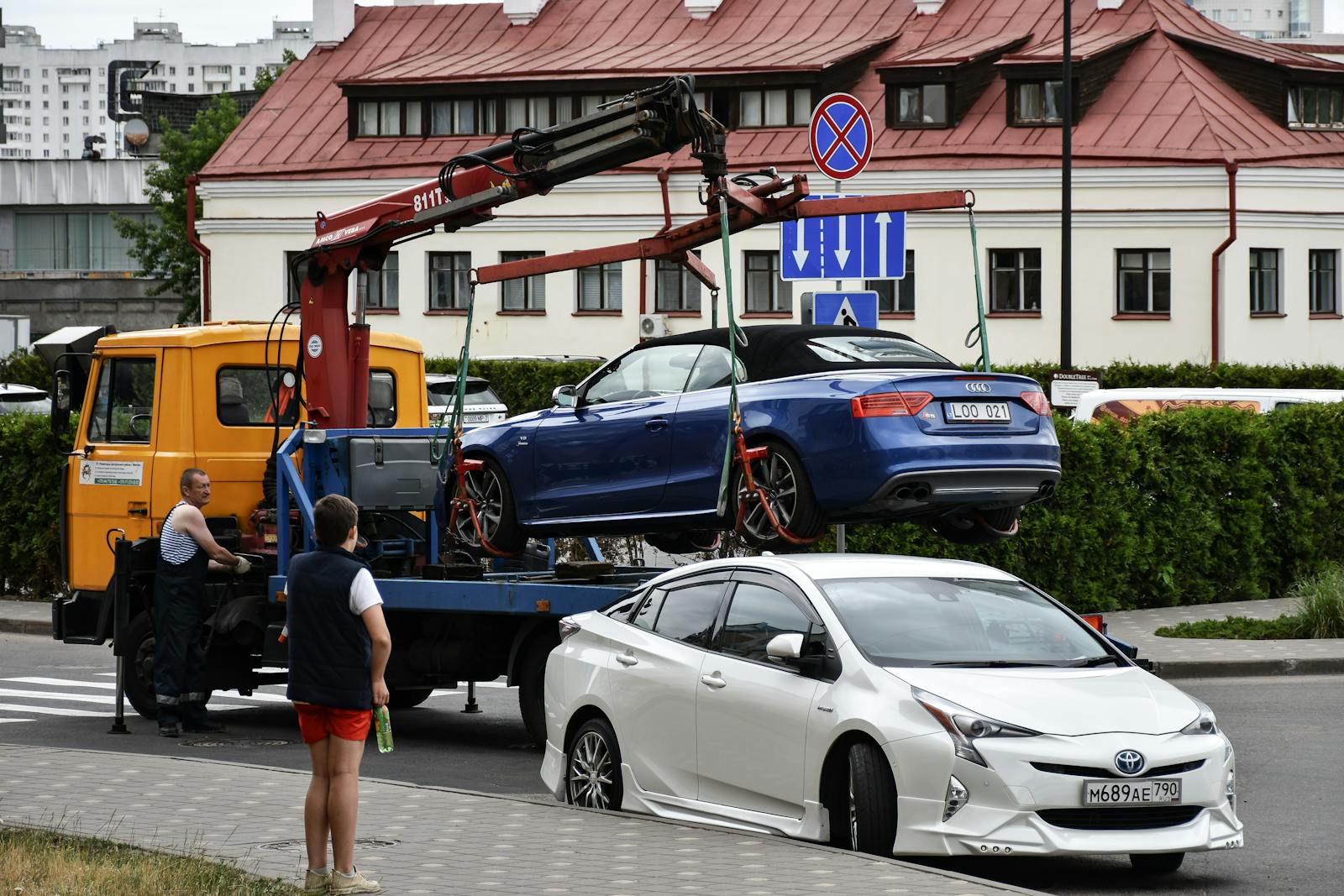

A driver woke up one morning to discover his car had vanished from his apartment complex parking lot, only to learn it had been towed despite following what he believed were the rules. The confusion stemmed from unclear parking regulations at his complex, leaving him stuck with hefty towing fees and no way to get to work.
Apartment residents across the country face similar situations when parking permit processes become confusing or rules aren’t clearly communicated, leading to unexpected tows from their own homes. Some complexes maintain contracts with towing companies that date back years, and current property managers may not even know the details of these agreements.
The driver’s experience highlights how quickly a parking misunderstanding can spiral into a costly ordeal. Between towing fees, storage charges that increase daily, and the scramble to retrieve the vehicle, residents can find themselves facing bills of $200 or more for what they thought was legitimate parking.
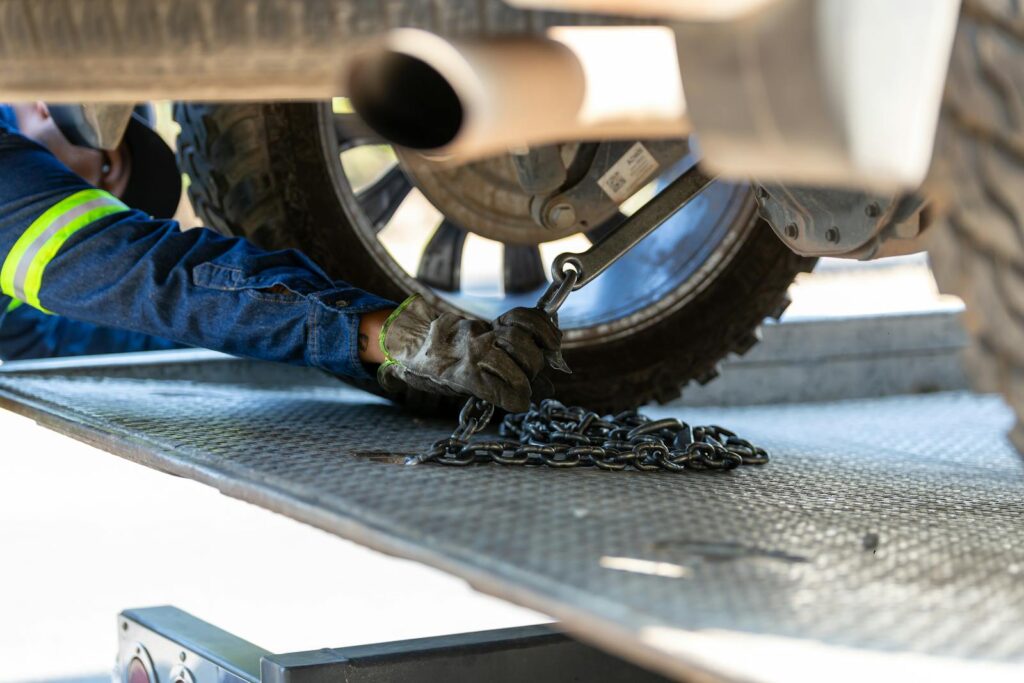
Why Cars Get Towed From Apartment Parking Lots
Apartment complexes enforce parking through towing for specific violations like blocking driveways or parking in restricted spaces, though the rules themselves can be maddeningly unclear. The authority to call a tow truck typically rests with property management or their contracted parking enforcement companies.
Common Reasons for Vehicle Towing on Private Property
Vehicles can be towed from apartment parking lots when they block other cars, obstruct walkways, or sit in reserved or restricted spaces. In Texas, where private property towing is heavily regulated, cars left unattended can legally be removed if they obstruct a traffic aisle, entry, or exit of the parking facility.
Additional grounds for towing include preventing another car from leaving a parking space or blocking a marked fire lane. Vehicles leaking fluid that presents a threat or hazard to property or persons also face removal.
Valid reasons for towing include:
- Parking in a tow-away zone
- Blocking fire lanes or emergency access
- Occupying visitor spots without authorization
- Extended parking beyond posted time limits
- Parking in spaces designated for other residents
Private property violations give businesses, apartment complexes, and homeowners with designated parking the right to remove unauthorized vehicles. A car obstructing a driveway or preventing access to a business’s parking lot can trigger a tow truck call.
Confusing or Poorly Marked Parking Rules
Some apartment complexes set their parking permit process to be deliberately confusing to encourage towing. They require monthly renewals but keep the office only open from 8 to 5 during the week, making it difficult for working residents to comply.
Common tactics that lead to questionable towing include inappropriate signage and inappropriately maintained marked slots with confusing, faded, worn, or totally nonexistent markings. Many victims complain of signs and markings that aren’t placed in noticeable areas.
Weather-worn information on signs or confusing details on the slot or sign create situations where residents unknowingly violate parking laws. If there are no signs where someone parked the vehicle clearly indicating the conditions of liability, they shouldn’t bear the liability for the costs. Instead, the property owner should take financial responsibility.
Who Has Authority to Initiate a Tow in Apartment Complexes
Property managers and landlords hold the primary authority to call a tow truck company for parking violations on their private property. They typically contract with specific towing services that patrol the lots looking for violations.
The landlord must provide parking policies and rules when tenants sign the lease, either as a separate document or as part of the lease agreement. It should read “Parking Rules” or “Parking” and be capitalized, underlined, or in bold.
In some states, tow trucks cannot remove cars from private property unless the person who requested the tow service is there to witness the removal. This requirement aims to prevent predatory towing practices where tow truck operators remove vehicles without proper authorization.
Tow truck operators must provide detailed information about the tow, and vehicle owners have the right to contest the tow’s validity through a post-storage hearing. State law gives car owners protections and rights against predatory and unreasonable towing practices.
What To Do If Your Car Gets Towed—And How To Fight a Wrongful Tow
When drivers discover their vehicle towed from what they believed was legal parking, they face immediate decisions about retrieval costs and whether the tow was justified. The process involves multiple steps from locating the car to potentially challenging the fees in court.
Steps to Take Right After Discovering Your Car Was Towed
A driver’s first move should be confirming the car towed wasn’t stolen by calling local police, who can run the license plate and identify which impound lot holds the vehicle. Time matters because storage fees accumulate daily at the vehicle storage facility.
Most tow companies require the registered owner to retrieve the car, which means bringing a driver’s license, vehicle registration, and proof of insurance. They typically charge a towing fee plus daily storage fees that climb quickly. Some facilities add a notification fee to the bill.
Drivers need to document everything before paying. They should photograph the vehicle’s condition, any posted parking signs in the original location, and request written invoices showing all charges. This evidence becomes crucial if they later dispute the tow.
According to legal guidance on wrongful towing cases, many tow companies require customers to sign a waiver releasing all claims when picking up their vehicle. Drivers might challenge these releases later as contracts of adhesion.
Disputing a Wrongful or Illegal Tow
Drivers who believe they experienced wrongful towing have several legal angles to pursue. Tow truck laws vary significantly by state, but California Vehicle Code section 22658 provides specific requirements for private property tows.
One common challenge involves improper signage. Towing regulations often require signs meeting specific size, placement, and wording standards. If these formalities weren’t met, property owners could face statutory damages.
Another violation involves “roving tow at night” operations where tow truck drivers patrol parking lots with absolute discretion. The law generally forbids this practice except for emergencies, handicap spaces, or fire lanes. A driver parked in a property owner’s designated spot with permission would have grounds to claim the tow was unauthorized.
Drivers typically file in small claims court to recover their costs. They need to bring evidence like photos of inadequate signs, written permission from property managers, and receipts for all fees paid. Judges may not be familiar with nuanced towing laws, so drivers should reference specific statutes.
Dealing With Towing, Storage, and Notification Fees
The financial hit from an impound lot extends beyond the initial towing fee. Storage fees can range from $20 to $50 per day depending on location. Some facilities charge notification fees for contacting the registered owner.
Drivers must pay these costs upfront to retrieve their vehicle, even when planning to dispute the charges later. The tow company won’t release the car without full payment. Waiting increases the total because storage fees continue accruing.
After retrieving the vehicle, drivers can sue both the tow company and property owner to recover their expenses. Understanding consumer rights under state towing laws helps drivers know what charges are legitimate. They might also claim additional damages for missed work, canceled appointments, and other costs caused by losing access to their vehicle.
More from Steel Horse Rides: