
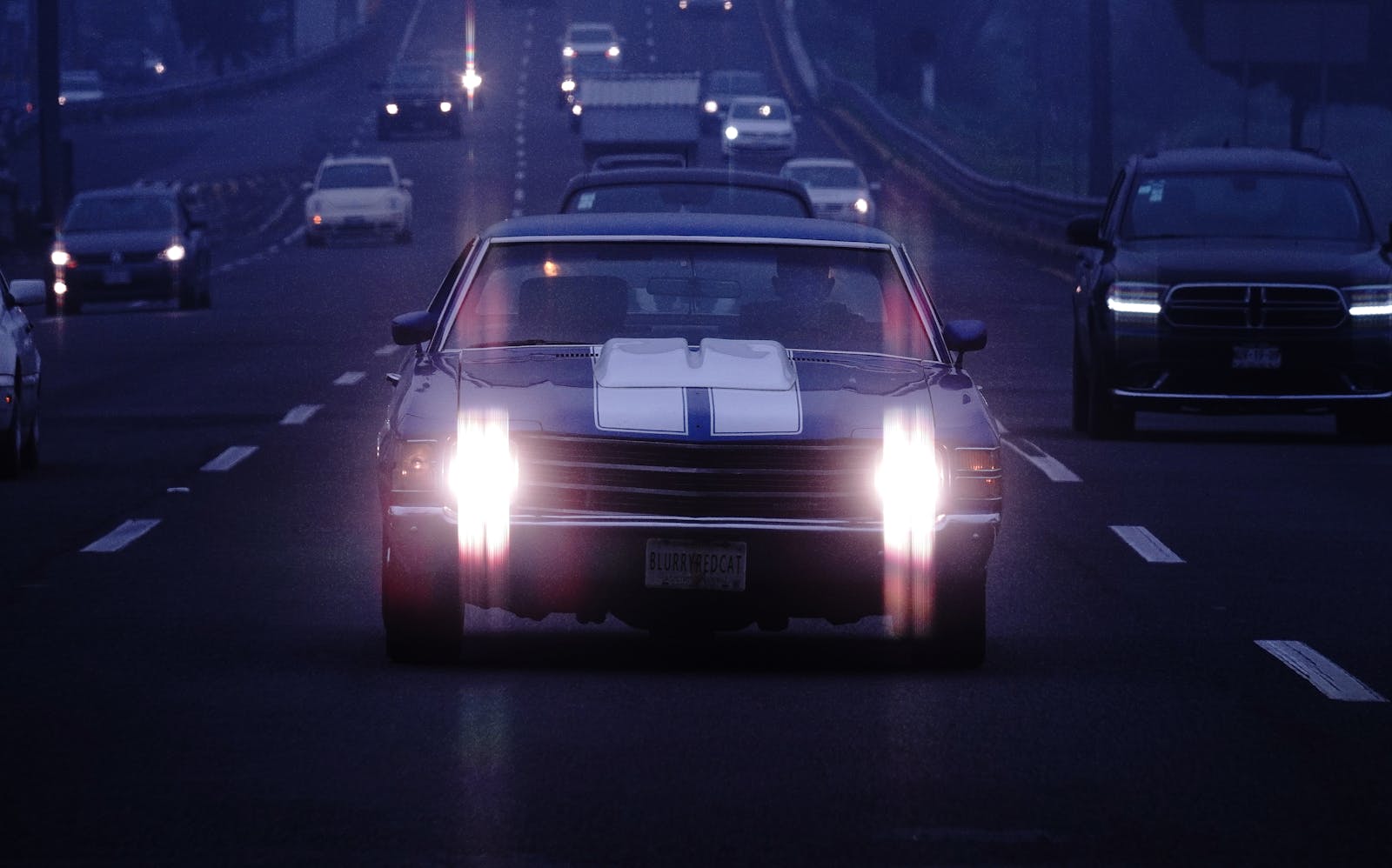

A highway driver’s attempt to pass another vehicle nearly turned into a serious collision when the motorist he overtook allegedly slammed on their brakes directly in front of him. The incident, which appears to be a case of road rage retaliation, highlights the dangerous practice known as brake checking that occurs on roadways across the country.
Brake checking is illegal in all 50 states and qualifies as reckless driving, aggressive driving, or negligent driving depending on the jurisdiction. When a driver intentionally hits the brakes to startle or intimidate another motorist, they create a hazardous situation that can result in rear-end collisions, injuries, and significant vehicle damage.
This particular case raises questions about what happened during the passing maneuver and whether the brake checking driver could face legal consequences. The situation also demonstrates how quickly routine highway driving can escalate into a dangerous confrontation between motorists.
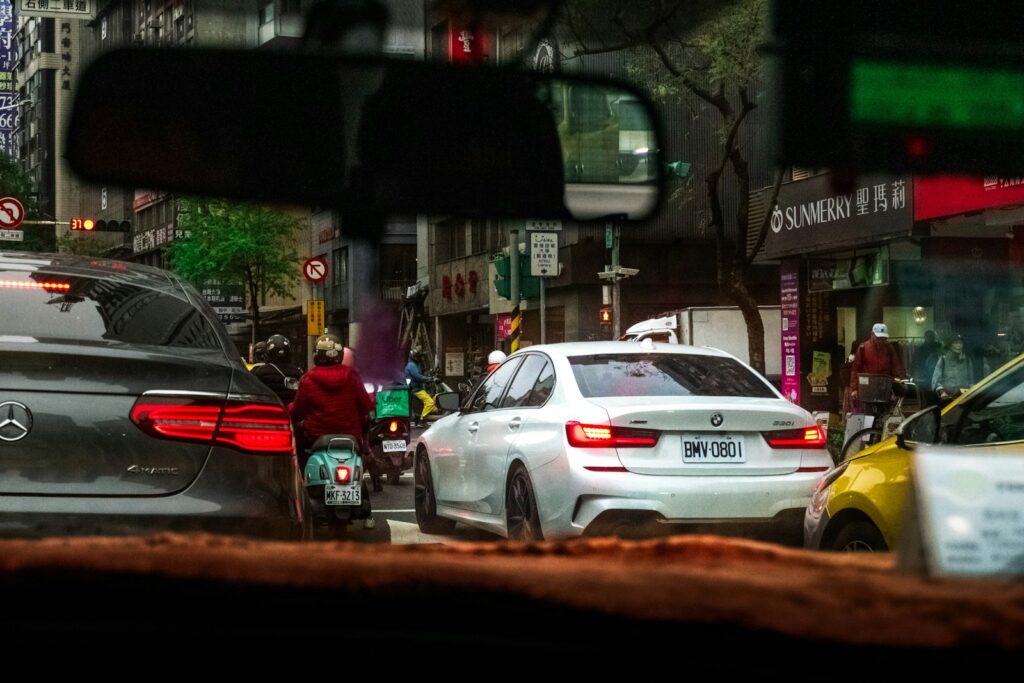
Incident Overview And Key Factors
Highway passing maneuvers can quickly escalate into dangerous confrontations when drivers respond aggressively. The motorist claimed the vehicle ahead deliberately braked hard immediately after being overtaken, creating a near-collision scenario.
Sequence of Events on the Highway
The driver executed what appeared to be a routine passing maneuver on the highway. After moving into the left lane and successfully overtaking the slower vehicle, he merged back into the right lane ahead of the other motorist.
Within seconds of completing the pass, the driver behind him allegedly slammed on their brakes. The sudden deceleration forced the reporting driver to take evasive action to avoid a rear-end collision. No contact occurred between the vehicles, but the proximity was close enough to be classified as a near-miss incident.
The behavior suggested the overtaken driver may have felt slighted by the passing maneuver. Brake-checking is defined as intentionally slamming on brakes to startle or force the driver behind to slow down or back off.
Common Behaviors That Lead to Brake-Checking
Drivers engage in brake-checking for several reasons, most stemming from perceived slights or road rage. Some motorists feel insulted when another vehicle passes them, interpreting it as a challenge to their driving.
Typical triggers include:
- Being passed by a vehicle traveling faster
- Feeling cut off during a lane change
- Perceived tailgating by the rear vehicle
- General frustration with traffic conditions
The behavior often occurs when the overtaken driver speeds up to position themselves directly behind the passing vehicle. This aggressive repositioning allows them to brake suddenly with maximum impact on the driver who just passed them.
Immediate Dangers of Sudden Braking After Passing
Unexpected braking on highways creates severe collision risks due to high speeds and reduced reaction times. When a driver slams on their brakes after being passed, they eliminate the safety buffer that proper following distance typically provides.
Highway speeds amplify the danger significantly. At 65 mph, vehicles travel approximately 95 feet per second, leaving minimal time for emergency responses. The sudden braking can cause multi-vehicle pileups if traffic is heavy, as trailing drivers have even less warning.
The risks include:
- Rear-end collisions at high speed
- Loss of vehicle control during evasive maneuvers
- Chain-reaction crashes involving multiple vehicles
- Drivers swerving into adjacent lanes and striking other cars
Consequences, Liability, and What To Do Next
When one driver claims another motorist brake-checked them after being passed, questions of fault and legal responsibility become complicated. The incident raises concerns about aggressive driving, potential insurance claims, and how drivers should protect themselves in similar situations.
Who Is at Fault in Rear-End Scenarios
Rear-end collisions typically place fault on the following driver, as they’re required to maintain a safe following distance. However, brake-checking scenarios create exceptions to this standard rule.
If the front driver intentionally slammed their brakes as retaliation for being passed, they could bear significant responsibility. Negligent actions like suddenly hitting the brakes as a prank or acting unpredictably can shift liability away from the rear driver.
The challenge comes when drivers dispute what happened. The passing driver might claim they were brake-checked, while the front driver could argue they had a legitimate reason to slow down. Without dash cam footage or witness statements, determining who actually caused the dangerous situation becomes difficult.
Insurance and Legal Implications
Insurance claims can stall when the other driver denies responsibility, leaving both parties in limbo. In a near-miss scenario where no contact occurred, filing a claim becomes even more complex since there’s no physical damage to assess.
If the incident had resulted in a crash, the type of insurance coverage would determine compensation. The brake-checking driver’s liability insurance would typically cover damages they caused to others.
Discussions on Reddit and other forums show how common these disputes are. Drivers frequently share stories of aggressive motorists retaliating after being passed, highlighting the prevalence of road rage incidents on highways.
Steps to Take After a Near-Miss or Accident
The driver who experienced this close call should document everything while details remain fresh. Writing down the time, location, highway exit numbers, and vehicle description helps establish a record of the incident.
If dash cam footage exists, preserving it becomes critical evidence. The video could show whether the front driver’s brake lights suddenly illuminated without apparent cause, supporting claims of intentional brake-checking.
Reporting aggressive driving to police creates an official record, even in near-miss situations. While officers may not respond to incidents without damage or injuries, the report documents a pattern if the aggressive driver repeats this behavior with others.
More from Steel Horse Rides: