


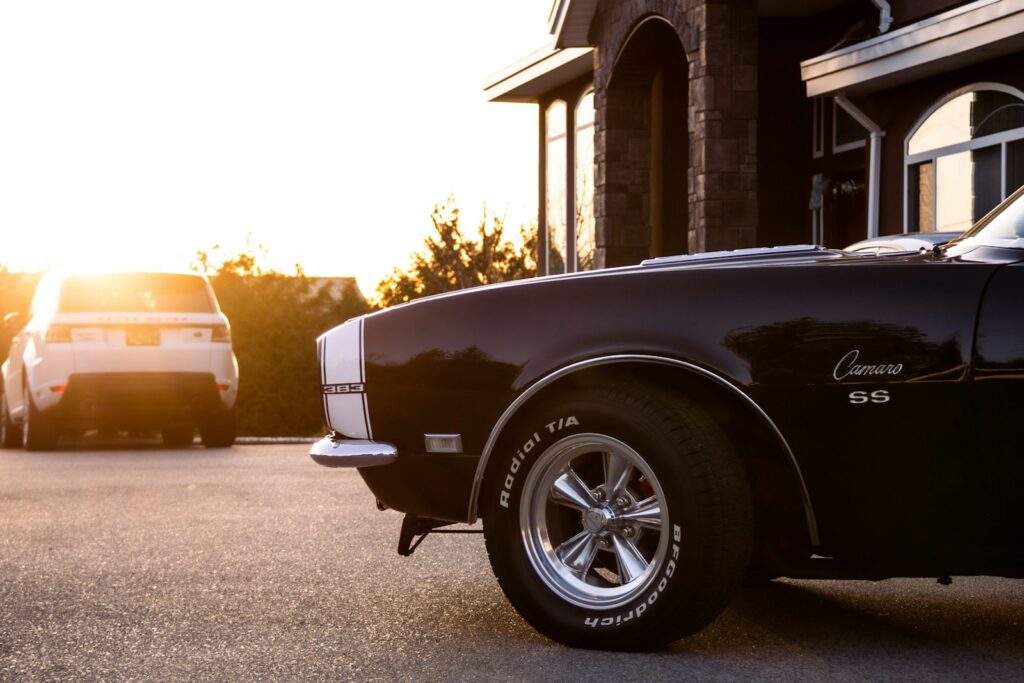
A classic Camaro owner is dealing with an unexpected headache after lending his prized muscle car to a friend for what was supposed to be a simple photo shoot. When the friend returned the vehicle, the owner discovered a mysterious dent that no one seems able to explain, leaving him stuck between preserving a friendship and protecting his valuable classic car. The situation highlights the awkward position many car owners find themselves in when doing someone a favor goes wrong.
The incident raises questions about what happens when someone borrows your car and damages it, especially when the borrower claims they have no idea how the damage occurred. For classic car enthusiasts, the stakes are even higher since these vehicles often carry significant value and finding original parts can be challenging. The owner now faces the uncomfortable task of figuring out whether to pursue compensation through insurance or handle the matter directly with his friend.
This case demonstrates how a seemingly simple favor can quickly become complicated when a friend crashes or damages a borrowed car. The mystery surrounding the dent adds another layer of frustration, as the owner tries to piece together what actually happened while his friend maintains ignorance about the damage.
What Really Happens When You Lend Your Car to a Friend
When someone hands over their keys to a friend, most people assume it’s a simple favor with minimal risk. The reality involves complex insurance rules, liability questions, and potential financial consequences that catch both parties off guard when something goes wrong.
Permissions, Trust, and Permissive Use Rules
The concept of permissive use determines whether insurance will cover an accident when someone else drives a vehicle. When a car owner explicitly allows a friend to borrow their vehicle, that driver becomes what insurers call a “permissive user.”
Most insurance policies extend coverage to permissive users, but there are critical exceptions. If someone takes a car without explicit permission to drive, insurance companies can deny claims entirely. The distinction between “Can I borrow your car for a photo shoot?” and “I’ll just take it quickly” matters more than most people realize.
Permissive use becomes complicated when:
- The borrower exceeds the scope of the original permission
- The vehicle is borrowed for commercial purposes
- The borrower is specifically excluded from the policy
- Permission was given under false pretenses
Some policies include household exclusions that prevent coverage when certain listed individuals drive the vehicle. Car owners who lend their vehicles to friends or family often don’t realize these restrictions exist until a claim is filed.
Car Owner vs. Driver: Who’s Liable for Damage?
The question of liability splits into multiple scenarios depending on the circumstances. In the case of the damaged Camaro, determining who pays for the mystery dent hinges on what happened and who can prove it.
Liability typically breaks down this way:
| Scenario | Primary Responsibility | Secondary Responsibility |
|---|---|---|
| Accident during authorized use | Car owner’s insurance | Borrower’s insurance (excess) |
| Damage from borrower negligence | Borrower personally | Car owner’s insurance |
| Unknown damage (like mystery dents) | Disputed between parties | Often unresolved |
| Unauthorized use or theft | Borrower criminally/civilly | No owner liability |
Understanding third-person liability becomes crucial when borrowed vehicles suffer damage. The registered owner’s name on the title doesn’t automatically make them financially responsible for every scratch, but insurance follows the vehicle in most states rather than following the driver.
When damage occurs and no one admits fault—like a mystery dent—the situation gets messy fast. Without witnesses or documentation, the car owner often absorbs the cost since their insurance deductible applies first.
How Insurance Actually Works After a Borrowed Car Incident
The phrase “insurance follows the car” means auto insurance coverage attaches to the vehicle itself, not the person driving it. When a friend borrows a car and causes damage, the vehicle owner’s policy serves as primary coverage.
The owner files a claim through their own insurance company, which can lead to increased premiums even though they weren’t driving. If damages exceed the owner’s policy limits, the borrower’s insurance may provide secondary coverage, but this depends on specific policy language.
The claims process typically unfolds like this:
- Owner’s insurance investigates and processes the claim
- Owner pays their deductible for covered damage
- Insurance rates may increase at renewal
- Owner can pursue the borrower for deductible reimbursement
- Borrower’s insurance only engages if owner’s limits are exhausted
For incidents like unexplained dents where no accident report exists, comprehensive coverage might apply if the damage qualifies as vandalism or a mystery hit-and-run. Without proof of what happened, insurance companies often deny claims, leaving the owner to pay out of pocket or pursue the borrower directly in small claims court.
Resolving the Classic Car Mystery and Navigating Insurance and Legal Steps
When a classic Camaro returns from a photo shoot with unexplained damage, the owner faces a complicated situation involving insurance coverage questions and potential legal liability. The borrower’s inability to explain the dent creates uncertainty about whether collision coverage or the friend’s policy would apply.
Dealing With Dents and Unexplained Damage
The owner discovered the dent after his friend returned the classic Camaro, but the friend couldn’t provide any explanation for how it happened. This lack of information makes it difficult to determine what actually occurred during the photo shoot. Without a clear incident report or witness account, the damage becomes what insurers call an “unexplained loss.”
Classic cars present unique challenges when it comes to damage assessment. The vehicle’s age and collector value mean repairs require specialized knowledge and parts. A dent that might be simple to fix on a regular car could require extensive restoration work on a classic vehicle to maintain its value.
The friend’s failure to report any incident immediately raises questions about what really happened. He might have been unaware the damage occurred, or he could be withholding information. Either way, the owner now has to decide whether to file an insurance claim without knowing the full story.
Collision and Secondary Coverage in Borrowed Car Scenarios
The owner’s collision coverage would typically be the primary insurance when someone borrows his car with permission. This means his policy would likely be responsible for covering the damage to the Camaro, even though he wasn’t driving. His rates could increase after filing a claim, despite not being at fault.
The friend who borrowed the vehicle might have secondary coverage through his own auto policy. This coverage could potentially kick in if the owner’s collision coverage limits aren’t sufficient or to help with the deductible. However, the friend would need to file a claim on his own insurance, which he might be reluctant to do.
Classic car policies often have specific restrictions that complicate borrowed vehicle situations. Many agreed-value policies limit who can drive the car and under what circumstances.
Legal Pitfalls: Negligent Entrustment and Owner Responsibility
The owner voluntarily lent his Camaro to the friend, which generally protects him from negligent entrustment claims. This legal doctrine holds vehicle owners liable when they loan their car to someone they know is incompetent or reckless. Since the owner trusted his friend enough to lend the vehicle, he likely made a reasonable decision.
If the mysterious dent resulted from an accident involving another vehicle or property, the owner could still face liability. His insurance would be primary in covering any personal injury claims or property damage that occurred while the friend was driving. The lack of explanation about what happened makes this a real concern.
The owner might consider consulting a car accident lawyer if the situation becomes more complex. An attorney could help determine whether the friend has any legal obligation to cover the repair costs or deductible. They could also advise on handling disputes with the insurance company about valuation or coverage.
More from Steel Horse Rides: