
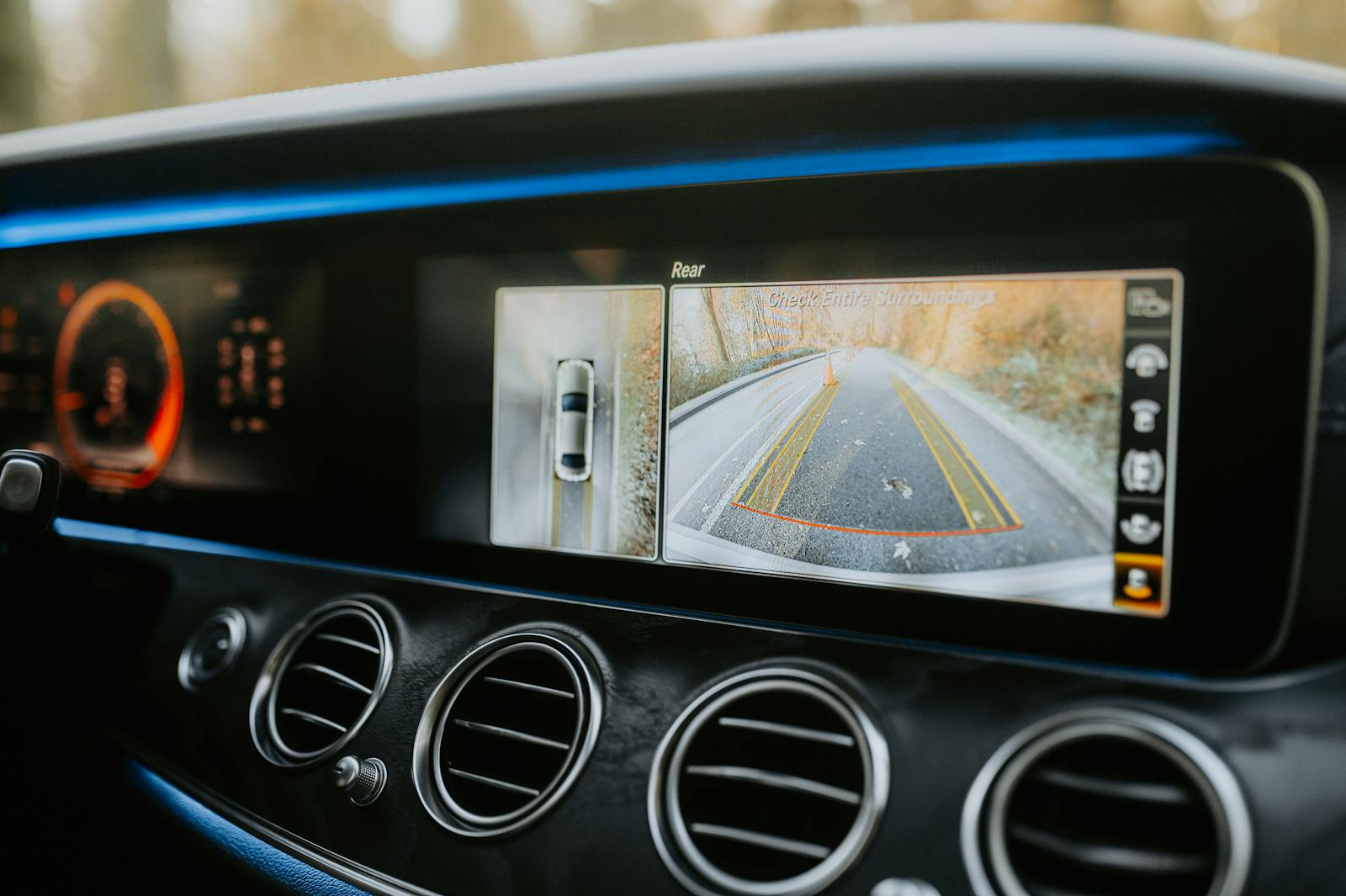

A driver’s frustration with his backup camera during a rainstorm has sparked a broader conversation about whether modern vehicles have become too dependent on technology. After struggling to see anything through his rain-covered camera lens while trying to reverse, he took to social media questioning if automakers had gone too far in prioritizing screens over traditional methods of backing up.
Backup cameras have been mandatory on all new vehicles sold in the United States since 2018, and millions of drivers now rely on them as their primary method for reversing, but rain, dirt, and debris can quickly render these cameras useless. The incident highlights a common problem that many drivers face but rarely discuss until they find themselves in a parking lot during a downpour, staring at a blurry or completely obscured screen.
His complaint resonated with thousands of other drivers who shared similar experiences of their backup cameras becoming nearly worthless in wet conditions. The discussion has raised questions about whether the automotive industry’s push toward technology-dependent safety features has created new vulnerabilities that weren’t present in older vehicles.

What Happens When a Backup Camera Fails in Bad Weather
Rain creates visibility challenges that drivers expect, but backup camera failures during wet conditions add an unexpected layer of danger. Water can compromise these systems through multiple pathways, leaving drivers without a critical safety feature exactly when they need it most.
Common Backup Camera Problems During Rain
Drivers report several distinct backup camera issues during rainy conditions. The most frequent complaint involves a completely blank screen when shifting into reverse, which often catches people off guard during parking maneuvers.
Others experience blurry or distorted images that make it impossible to see obstacles clearly. Some backup cameras show intermittent functionality, working one moment and failing the next as rainwater affects connections.
A frozen screen is another issue where the image appears but doesn’t update as the vehicle moves. Delayed images create confusion about actual distances from objects behind the vehicle. In some cases, the backup camera displays only in black and white instead of color, reducing the ability to distinguish between objects and shadows in already poor visibility conditions.
How Moisture and Water Impact Camera Visibility
The camera lens itself becomes obscured when water droplets accumulate on the surface. Rain doesn’t bead up and roll off like it does on a windshield with proper treatment. Instead, water clings to the lens, creating a blurred or completely obscured view.
Road spray during rain compounds the problem by coating the lens with dirty water and debris. Extreme weather conditions can degrade camera components over time, making previously weather-resistant seals vulnerable to moisture intrusion.
When water penetrates the camera housing, it fogs up the lens from the inside. This internal moisture creates a persistent cloudy image that can’t be wiped away from the outside. Water that reaches internal circuitry causes corrosion on connection points, leading to electrical shorts or complete system failure.
Signs Your Backup Camera Stopped Working
The most obvious indication comes when the display screen remains dark after shifting into reverse. Some systems show error messages instead of the camera feed, alerting the driver to a malfunction.
Image quality deterioration serves as an early warning sign. The picture might appear grainy, pixelated, or have horizontal lines running through it. Color distortion or a complete shift to grayscale indicates processing problems within the system.
Physical inspection reveals damage to the camera housing, including cracks that allow water penetration. Condensation visible inside the camera lens assembly confirms moisture has breached the seals. Random activation of the camera when not in reverse suggests electrical problems triggered by water in the wiring.
Immediate Steps to Take When Your Backup Camera Doesn’t Work
Drivers who discover their backup camera stopped working during rain need to adapt their reversing technique immediately. They must rely on mirrors and physically turning to look behind the vehicle, the way driving was done before backup cameras became standard.
Pulling over safely allows for a quick inspection of the camera lens. Wiping the lens with a cloth removes surface water and debris that might be blocking the view. Checking for obvious damage to the camera housing helps determine if the issue stems from physical impact.
Some drivers find that turning off the vehicle completely and restarting it clears temporary software glitches. The backup camera problems may resolve once electronic systems reset. However, persistent failures during wet weather often indicate deeper issues with water intrusion that won’t clear up on their own.
Is Modern Car Tech Too Reliant on Backup Cameras?
Modern vehicles have shifted toward camera-based systems for reversing, but this dependency raises questions about what happens when the technology stops working. Drivers face challenges when backup cameras malfunction due to weather conditions or electrical issues, leaving them without the visual aid they’ve come to expect.
Increasing Driver Dependence on Backup Cameras
Backup cameras became mandatory in all new vehicles sold in the United States after May 2018. This federal requirement means an entire generation of drivers now learns to reverse primarily using a screen rather than traditional mirror checks and head turns.
A 2021 study found that 58 percent of participants rely on their car’s sensors and don’t check around their vehicle for pedestrians. Many drivers no longer turn their heads to look out the back window while reversing, assuming the camera shows everything they need to see.
The issue becomes more pronounced as drivers spend years with these systems. Experienced owners of vehicles with advanced technology were more likely to engage in distracting tasks while using the systems compared to those who hadn’t built up that familiarity. The comfort with technology can lead to reduced vigilance behind the wheel.
Potential Safety Risks When Technology Fails
Cameras and sensors can’t clearly see the road in heavy rain or when smeared with dirt or insects. The performance of advanced driver-assistance systems degrades significantly in less-than-ideal driving conditions, which is exactly when drivers need them most.
A smudge of dirt or water drop on the camera lens can block the entire view. Sensors can also break without warning, leaving drivers suddenly without their primary reversing tool. The problem is that many drivers have stopped practicing traditional safety checks like turning around to look behind them.
In a 2018 AAA study, 40 percent of respondents didn’t understand how their vehicle’s safety systems actually worked. This knowledge gap becomes dangerous when the technology fails and drivers haven’t maintained the basic skills needed to operate their vehicle safely without electronic assistance.
Backup Camera Wiring and Electrical Troubles
Backup camera wiring represents a common failure point in modern vehicles. The connections running from the camera to the display screen can corrode, become loose, or suffer damage from road debris and water exposure.
Electrical problems often stem from the camera’s location at the rear of the vehicle. The wiring must travel the entire length of the car, creating multiple points where connections can fail. Cold weather can affect electrical connections, while heat can degrade wire insulation over time.
When backup camera problems occur, drivers accustomed to screen-based reversing suddenly lose their primary reference point. The transition back to manual observation catches many off guard, particularly in tight parking situations where they would normally depend on the camera’s guidance lines and wide-angle view.
More from Steel Horse Rides: